


Pet Toys Made in USA: Manufacturers Quality and Safety Guide
Searching for pet toys made in usa usually starts with a simple motivation — wanting to know that what a dog or cat is chewing on was made under real oversight, not just packaged with a flag on the label.
For brands sourcing product, the search for reliable pet toy manufacturers usa carries a second layer of complexity: verifying that a domestic claim is legally accurate, and understanding what materials and standards actually separate a durable, safe toy from one that just looks the part. This guide profiles verified US pet toy manufacturers, breaks down the selection criteria that matter for sourcing decisions, and — for brands developing custom silicone products — explains where a Vietnam-based OEM manufacturer like MINH FAST fits as a complementary sourcing option.
1. The Pet Toy Industry in 2026: Market Size and the Regulatory Gap
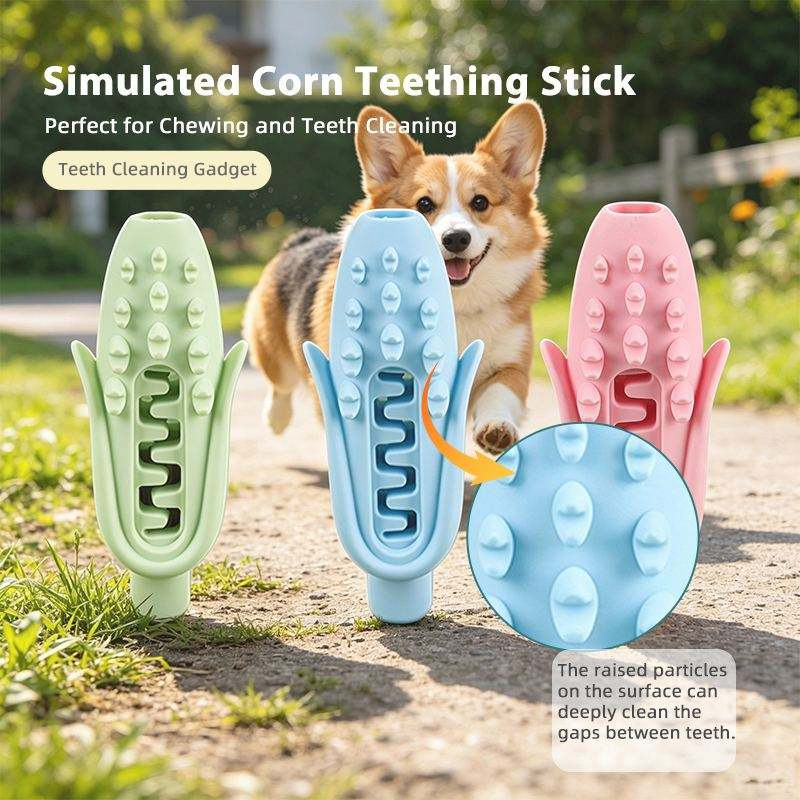
1.1 Market Size and Growth
The global pet toys market is valued at approximately USD 10.0–10.23 billion in 2026, projected to reach USD 16.3–17.24 billion by 2033–2034, growing at a CAGR of roughly 6.7–7.2% (Persistence Market Research, 2026; Fortune Business Insights, 2026). North America holds the largest regional share of the market, at roughly 33–37%, driven by high rates of pet ownership and a well-established premium pet-product retail channel (Fortune Business Insights, 2026; Persistence Market Research, 2026). Dogs represent the largest pet-type segment, expected to account for roughly 52% of global demand in 2026, with chew toys the dominant product category at close to 36% market share (Future Market Insights, 2026).
For context on the broader US pet economy underpinning this demand: the American Pet Products Association (APPA) reports total US pet industry expenditure crossed USD 152 billion in 2024, with pet ownership exceeding roughly two-thirds of US households (cited in Persistence Market Research, 2026).
1.2 The Regulatory Reality: No Single Mandatory US Pet Toy Standard
This is the fact every buyer evaluating pet toy manufacturers should understand first: there is no dedicated mandatory federal safety standard for pet toys in the United States. The Consumer Product Safety Commission (CPSC) has broad authority to act against unreasonably dangerous consumer products generally, but the CPSIA and ASTM F963 toy-safety framework — which sets mandatory lead limits, phthalate restrictions, and mechanical testing — legally applies only to children's toys, not pet products (QIMA, 2026).
By contrast, if a toy is classified as a children's product, ASTM F963-23 testing became mandatory for any toy manufactured after April 20, 2024, covering physical/mechanical properties, flammability, heavy-metal content, and phthalate limits under CPSIA (JJR Lab, 2026). No equivalent mandatory rule exists for pet toys — compliance in this category is voluntary and largely retailer-driven, meaning a manufacturer's actual testing practices matter more than any assumed legal baseline (QIMA, 2026).
Practically, this means the safety bar for genuinely trustworthy pet toy manufacturers usa should include, at minimum:
-
No detachable small parts that create choking or intestinal-blockage risk
-
Non-toxic materials — BPA-free, phthalate-free, lead-free — even though not legally mandated for pet products
-
Durability testing under realistic chewing/scratching conditions
-
Voluntary adoption of CPSIA/ASTM F963-aligned material limits as a best-practice benchmark
ASTM International's pet-products subcommittee (F15.05) has ongoing work toward formal pet toy safety standards, and state-level chemical restrictions are tightening — an indication that today's voluntary best practice may become tomorrow's mandatory requirement (QIMA, 2026).
See more:
- Best Cat Toys Made in USA: A Complete Buying Guide
- Top BIM Companies in USA: How to Choose a Reliable BIM Partner
- 7 Silicone Molding Manufacturers to Know for OEM/ODM Solutions
- Top 8 End Cap Manufacturers - Silicone pipe caps supplier
1.3 Common Safe Pet Toy Categories in the US–UK Market
-
Rubber and silicone chew toys — favored for durability and ease of sanitizing, across dog and cat categories
-
Plush/squeaky toys — fabric toys requiring secure, non-detachable squeakers and stitching
-
Rope and tug toys — cotton or nylon-based for interactive play
-
Catnip and silvervine toys — cat-specific, typically stuffed plush shapes
-
Puzzle/treat-dispensing toys — mental enrichment products across pet types
-
Balls and fetch toys — rubber, TPE, or silicone construction for retrieving play
2. Top Pet Toy Manufacturers USA: A Verified Shortlist
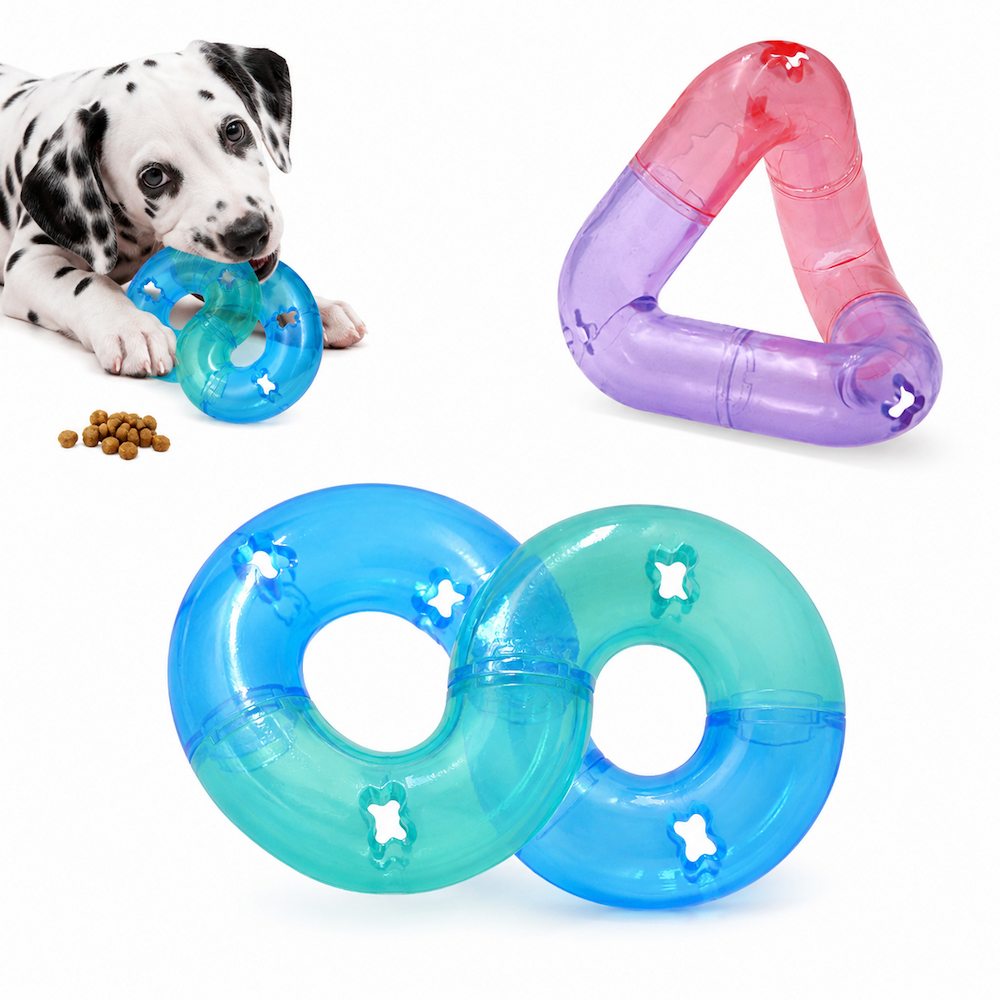
The companies below were selected for demonstrable credibility markers — verifiable US facility locations, published certifications or safety testing claims, and transparent, direct contact channels. As with any supplier list, verify current manufacturing claims and certifications directly, since sourcing details can change.
2.1 West Paw (Bozeman, Montana)
A family-owned pet product manufacturer launched in 1996, West Paw produces the Zogoflex line of durable, recyclable dog and cat toys. The company is FDA-compliant for material safety, non-toxic, and has expanded its Montana manufacturing footprint — including a second factory opened during a period of high consumer demand — while remaining one of the most consistently cited examples of a genuinely domestic pet toy operation (Alliance for American Manufacturing, 2022; DogToysReport, 2026).
-
Website: westpaw.com
2.2 Goughnuts (California)
Known for rubber ring and stick chew toys built with a visible internal "safety indicator" layer — if a pet chews through the outer material and exposes the red inner layer, the toy is flagged for replacement — a transparent, verifiable durability signal rather than a marketing claim alone.
-
Website: goughnuts.com
2.3 SodaPup (Colorado)
Designs and manufactures rubber, nylon, and TPE pet toys domestically using FDA-compliant, non-toxic compounds; a veteran-owned company that also produces the USA-K9 toy line (allamerican.org, 2026; Made in the USA Matters, 2026).
-
Website: sodapup.com
2.4 Planet Dog (Maine)
Produces the Orbee-Tuff line of BPA- and phthalate-free chew balls and interactive toys, manufactured domestically and frequently referenced among trusted US pet toy brands by independent researchers (USA Love List, 2026).
2.5 Doskocil Manufacturing Company (Kansas)
A long-established US pet products manufacturer holding multiple registered trademarks for pet toy product lines (including treat-dispensing balls and chew shapes), reflecting sustained domestic product development activity in the category (USPTO trademark filings, 2021; Justia Trademarks).
2.6 KONG Company (Colorado — final assembly)
Globally recognized for its durable rubber toy design; KONG's core product lines are assembled in the USA and it is one of the most frequently cited reference brands across pet toy manufacturers usa roundups (Wedogy, 2026; DogToysReport, 2026). As with any brand, buyers focused on full domestic material sourcing rather than final assembly alone should verify specific claims per product line.
2.7 MINH FAST Company Limited (Vietnam — OEM/private-label partner for custom silicone pet products)
MINH FAST is not a domestic pet toy manufacturer usa, and is included here because a growing number of US and UK pet brands developing custom silicone pet toys — chew-safe shapes, lick mats, teething aids — pair a domestic supplier for their core "Made in USA" line with an overseas silicone OEM partner for new product development and scaled private-label production. See Section 6 for full detail.
-
Founded: 2010 · Headquarters: No. 1/19 Luong Khanh Thien Street, Tuong Mai Ward, Hanoi, Vietnam
-
Website: vietnamsiliconerubber.com
-
Google Maps: Find MINH FAST on Google Maps
-
Contact: Phone/Zalo/WhatsApp 0084.8899.14599; email Minhfastsales@gmail.com
Verification note: This list is not a paid ranking. Details were compiled from each company's own published materials and independent industry sources current as of mid-2026. Always confirm current certifications, facility addresses, and manufacturing claims directly before ordering or purchasing.
3. How to Verify a Pet Toy Manufacturer's Credibility
-
Ask what materials, specifically — not just "non-toxic." Request the material name (food-grade silicone, natural rubber, PP cotton) and, where relevant, a certificate of analysis.
-
Confirm the actual production location, not just a registered business address — ask whether molding/sewing/assembly happens domestically or is imported and only packaged there.
-
Check for voluntary safety testing. Since no mandatory US pet-toy standard exists, ask whether the manufacturer tests to CPSIA lead/phthalate limits or ASTM F963 material thresholds as a voluntary benchmark.
-
Cross-check the physical address against the company website, Google Maps, and independent directories (Better Business Bureau, ThomasNet).
-
Confirm direct contact channels — a named phone number or email, not only a contact form.
-
Request samples and, for bulk/private-label orders, batch-level quality control documentation before committing to a large purchase order.
4. Criteria for Choosing the Right Pet Toy Manufacturer USA
4.1 Material Safety and Durability Comparison
|
Material |
Chew/Bite Durability |
Safety Considerations |
Typical Applications |
|
Food-grade silicone |
High — resists tearing, easy to sanitize |
BPA-free, phthalate-free when properly sourced; low chemical migration |
Chew toys, lick mats, teething aids, textured cat toys |
|
Natural/solid rubber |
High |
Verify additive-free, non-toxic compound documentation |
Fetch balls, chew rings, treat-dispensing toys |
|
Nylon |
Very high |
Can pose tooth-fracture risk on rigid formulations for hard chewers |
Chew bones, sticks |
|
TPE (thermoplastic elastomer) |
Moderate-high |
Generally non-toxic; verify specific compound certification |
Flexible fetch/chew shapes |
|
Cotton/plush fabric |
Low-moderate |
Risk tied to dye/thread chemical safety and stitching security, not the fabric alone |
Catnip toys, kicker toys, squeaky toys |
Elastomer materials — rubber and silicone specifically — occupy the fastest-growing durability-focused segment of the category, reflecting buyer preference for materials combining bite resistance with straightforward sanitizing across both dog and cat product lines.
4.2 MOQ and Production Scale
MOQ requirements vary significantly by manufacturer type: boutique US makers can start as low as 100 units for a private-label run, while larger-scale manufacturers typically require 500–1,000 units for wholesale production (LeelineToys industry analysis, 2026). Buyers testing a new product concept should factor this into whether a domestic boutique manufacturer or a higher-volume OEM partner is the better fit for a first production run.
4.3 Certification and Compliance Fit
-
FDA food-contact material compliance for anything a pet will mouth or chew
-
BPA-free, phthalate-free, non-toxic dye declarations
-
Voluntary CPSIA/ASTM F963-aligned testing, given the absence of a mandatory pet-toy standard
-
RoHS/REACH compliance for products also distributed into the UK/EU
-
ICTI or BSCI certification, where relevant, as a signal of ethical/social manufacturing compliance
4.4 Engineering and Design Support
A capable manufacturer should proactively flag squeaker/component security, durometer suitability for the intended chew intensity, and moldability issues before quoting — not simply produce to whatever dimensions are submitted without technical feedback.
5. Domestic Manufacturing vs. Custom Silicone OEM Development
Many pet brands run two parallel product tracks, and understanding the distinction matters for sourcing strategy:
|
Factor |
Domestic US Manufacturing |
Overseas Silicone OEM (e.g., Vietnam) |
|
Best fit |
Established plush/rubber/catnip product categories, brand storytelling around domestic sourcing |
New custom silicone shapes, textures, or private-label designs |
|
Typical MOQ |
100–1,000+ units depending on maker |
Often flexible, useful for validating a new design before scaling |
|
Tooling for novel silicone shapes |
Limited — few US small-batch silicone molders serve the pet category |
Strong — established LSR/compression molding capability |
|
Unit cost at scale |
Higher for hand-assembled or small-batch items |
More cost-competitive at higher production volumes |
|
Material traceability |
Directly verifiable through domestic supply chain |
Requires CO/CQ certificates and factory verification |
Neither approach is inherently superior — the right choice depends on whether a brand is scaling an established domestic product line or developing an entirely new silicone product that requires custom tooling.
6. Introducing MINH FAST — Custom Silicone Pet Toy Manufacturing from Vietnam
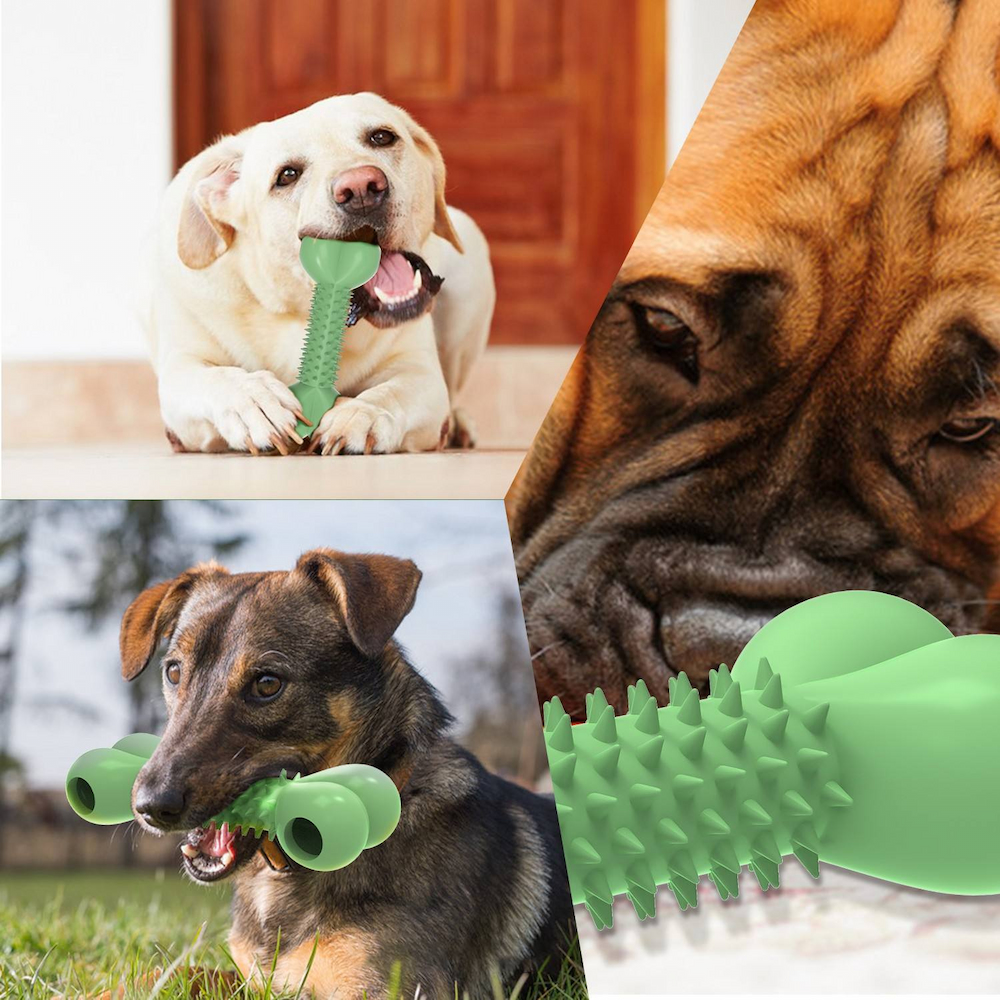
MINH FAST Company Limited is a 100%-Vietnamese-owned manufacturer established in 2010 and based in Hanoi, producing custom silicone products for pet, medical, food-contact, and consumer OEM/ODM clients across the United States, Europe, and Australia — including silicone pet toys, lick mats, and chew-safe teething products.
Core capabilities relevant to pet toy brands:
-
Custom silicone compression molding and liquid injection molding (LSR) for original toy shapes and textures
-
Food-grade and medical-grade silicone compliant with FDA, RoHS, and REACH requirements
-
BPA-free, PVC-free, phthalate-free material sourcing, with CO/CQ certificates for imported raw silicone
-
OEM/ODM services including custom shape design, durometer tuning for chew intensity, color matching, logo embossing, and private-label packaging
-
Flexible MOQs suited to brands validating a new silicone toy design before committing to full production volume
Why US and UK Pet Brands Consider MINH FAST
-
New product development capacity for silicone shapes and textures not currently offered by a domestic supplier's catalog
-
Cost-efficient scaling once a design moves from validation to volume production
-
Material transparency, with origin certificates provided for imported silicone compounds
-
Direct engineering communication from design review through tooling and mass production
-
Export documentation support for customs clearance into the US and UK
MINH FAST is positioned as an OEM manufacturing partner for custom silicone product development, not as a domestic "Made in USA" supplier — brands running both a domestic and an overseas-manufactured product line should label each accurately and separately, consistent with FTC country-of-origin labeling requirements.
7. Notes When Placing a Custom Silicone Pet Toy Order
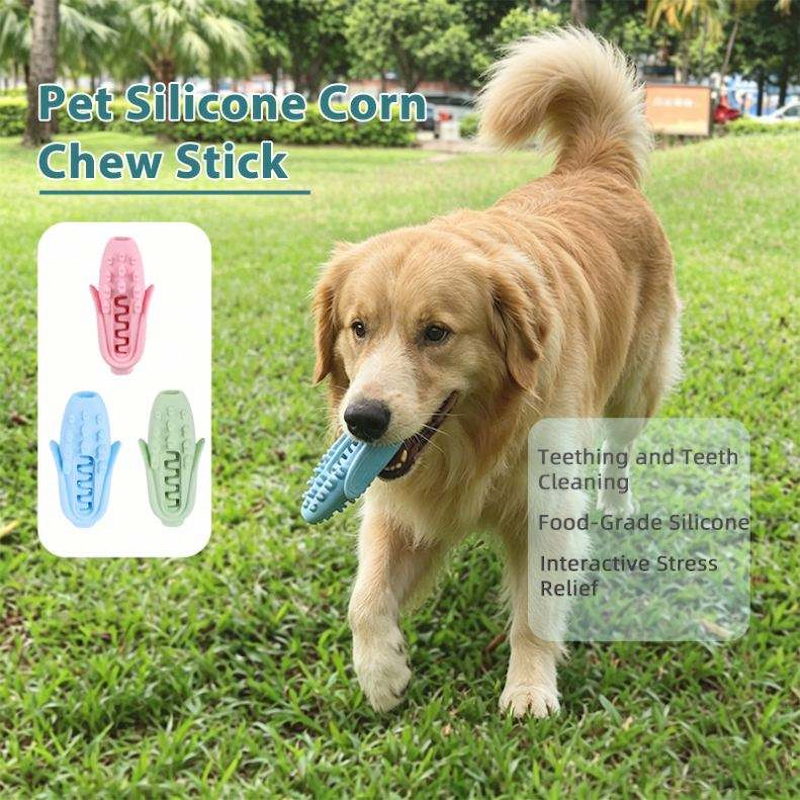
Before submitting a project brief to any silicone OEM manufacturer:
-
Target shape and dimensions, with a 2D drawing or 3D file for proprietary designs
-
Durometer (Shore A hardness) matched to the intended pet type and chew/bite intensity
-
Color and finish specifications, ideally with Pantone references
-
Required certifications — FDA food-contact grade minimum, RoHS/REACH for UK/EU distribution
-
MOQ and target unit price, so the manufacturer can recommend compression molding vs. LSR injection molding
-
Sample approval process, agreed in writing before tooling begins
-
Packaging, labeling, and accurate country-of-origin disclosure
Frequently Asked Questions
Are pet toys legally required to meet safety testing standards in the US?
No. Unlike children's toys under CPSIA and ASTM F963, there is currently no mandatory federal safety standard specific to pet toys. Reputable manufacturers voluntarily test to similar benchmarks, but buyers should confirm this directly rather than assume it.
What makes silicone a preferred material for pet toys?
Food-grade, medical-grade silicone combines high tear resistance with easy sanitizing and a well-documented low-toxicity profile when properly sourced and free of BPA, phthalates, and lead — reasons it has become increasingly common in chew toys, lick mats, and teething products across both dog and cat categories.
How can I verify a "Made in USA" claim for a pet toy?
Check whether the claim is unqualified ("Made in USA") or qualified ("Assembled in USA from imported materials") — these carry different legal meanings under FTC rules. Ask the manufacturer directly about material origin and final assembly location rather than relying on packaging alone.
What's a typical MOQ for a custom silicone pet toy?
This varies by manufacturer and molding process. Compression-molded designs generally support lower MOQs than high-volume LSR injection molding, which requires larger production runs to offset tooling cost; many overseas OEM partners offer more flexible MOQs than large domestic wholesale manufacturers.
Can a Vietnam-based manufacturer meet US and UK safety expectations for pet toys?
It can, provided the manufacturer demonstrates FDA food-contact material compliance, RoHS/REACH documentation, and is willing to provide samples, material certificates, and export documentation — the same verification standard buyers should apply to any domestic supplier.
MINH FAST — Custom Silicone Pet Accessory & Toy Consulting: Fast Delivery, Large Volumes, Competitive Pricing
For pet brands developing a custom silicone toy line alongside their existing pet toys made in usa product range, MINH FAST offers direct engineering consultation, sample development, and export-ready silicone toy production out of Hanoi, Vietnam. Reach the team via WhatsApp/Zalo at 0084.8899.14599 or email Minhfastsales@gmail.com to discuss shape design, durometer, MOQ, and lead times for your next production run.

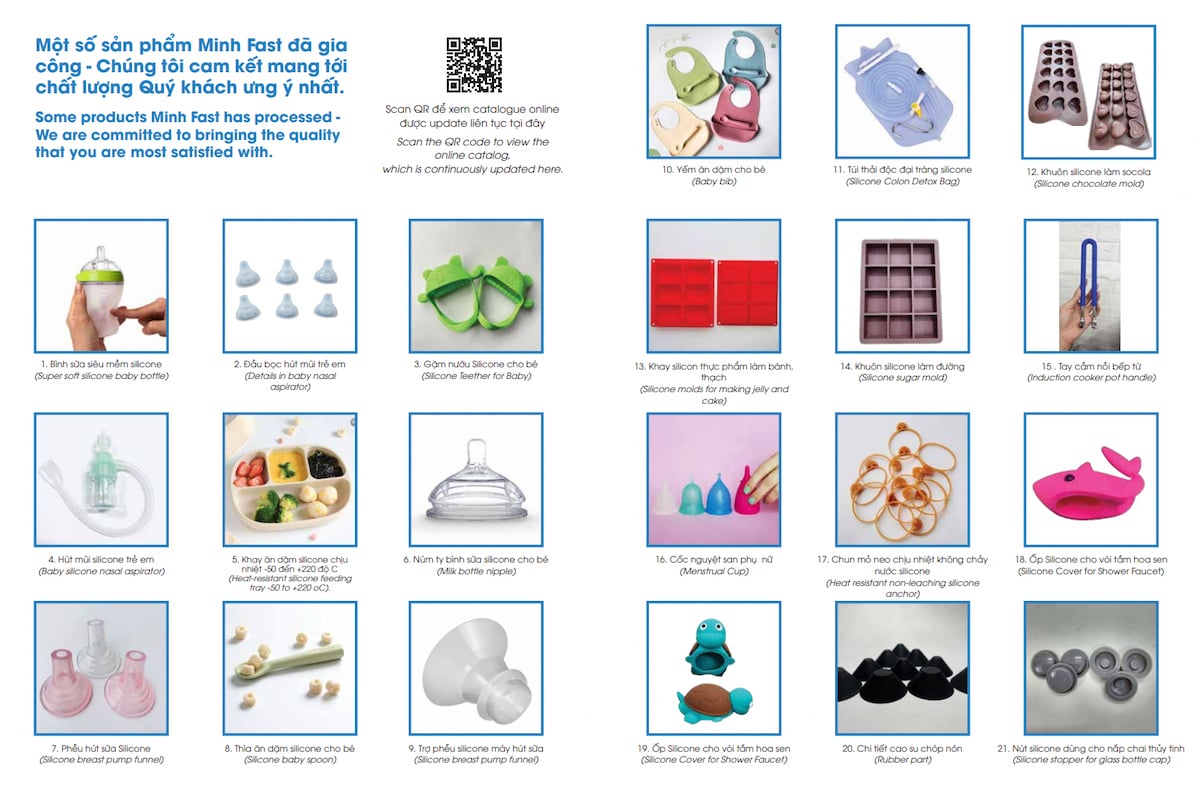
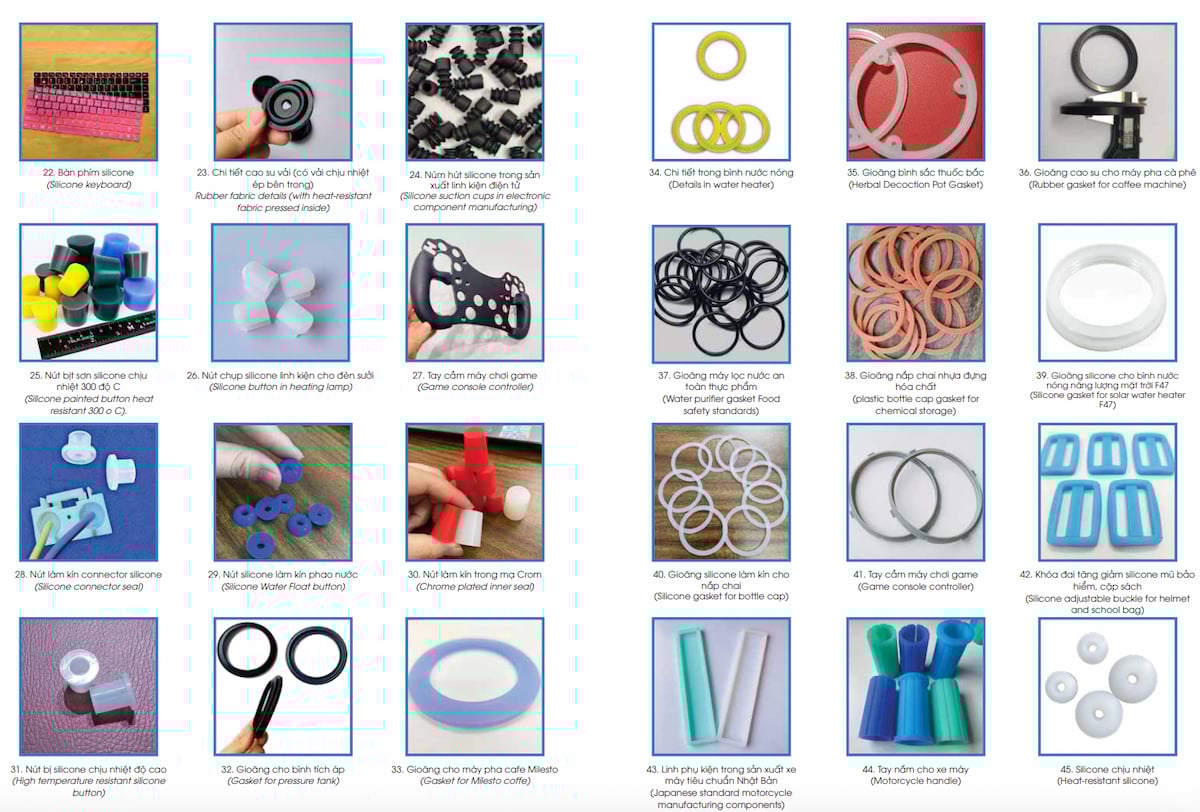
Product Catalog
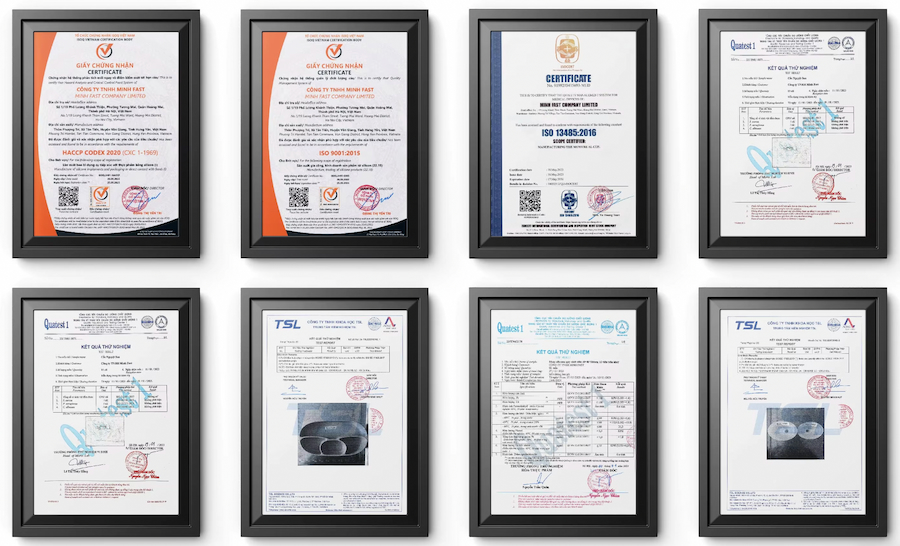
Certification
Packaging & Shipping

MINH FAST COMPANY LIMITED
Head Office: No. 1/19 Luong Khanh Thien Street, Tuong Mai Ward, Hanoi, Vietnam
Phone / Zalo / WhatsApp: +84 8899 14599
Email: Thamsiliconetkv@gmail.com | Minhfastsales@gmail.com
YouTube: Minh Fast Silicone Channel