


Toy Manufacturers in China: How to Find a Reliable Supplier
The global toy manufacturing industry relies on supply chain networks in Asia. Amid material safety regulations, selecting a reliable processing partner depends on pricing, technical capability, quality control processes, and international certification systems. This article provides a perspective on evaluating toy manufacturers in China, analyzes silicone processing standards, and introduces manufacturing solutions from MINH FAST in Vietnam.
Overview of Toy Manufacturers in China Supply Chain

China's processing market possesses a broad manufacturing ecosystem ranging from thermoplastic injection molding and electronic component integration to silicone rubber compression. For B2B importers, evaluating the capabilities of Chinese toy manufacturers requires an understanding of geographical distribution and the core strengths of each region.
For example, the Shantou region (Guangdong) focuses on plastic toys and mechanics, while Shenzhen and Dongguan gather factories capable of handling complex materials and high-tech integration.
Notable Toy Manufacturing Companies in China Reference List

Many businesses search for a top 10 toy manufacturers in china list as a basis for partner evaluation. However, a quality china toys company list must be built on actual audit data and export history. Below is information on 5 representative manufacturing groups in the industry:
1. Alpha Group Co., Ltd.
-
Location: Shantou, Guangdong.
-
Specialization: Animation-derivative products, plastic mechanics, and interactive educational equipment.
-
Certifications: ISO 9001, ICTI Ethical Toy Program, BSCI, EN 71, ASTM F963.
-
Evaluation: A publicly listed enterprise with a transparent global distribution partner network.
2. Rastar Group
-
Location: Shantou, Guangdong.
-
Specialization: Die-cast model cars, children's electric vehicles, and remote-controlled toys.
-
Certifications: ISO 9001:2015, ICTI CARE Process, CE, FCC, CPSC.
-
Evaluation: Holds official manufacturing licenses from large-scale automotive brands, demonstrating intellectual property (IP) security capability.
3. Goodbaby International Holdings Ltd.
-
Location: Kunshan, Jiangsu.
-
Specialization: Infant care products, feeding accessories, and silicone teething toys.
-
Certifications: ISO 13485 (Medical standard), ISO 9001, EN 1888, FDA 21 CFR compliant.
-
Evaluation: Possesses an internal laboratory meeting CNAS national standardization standards.
4. Hape International
-
Location: Ningbo, Zhejiang.
-
Specialization: Educational wooden toys combined with safe soft silicone details.
-
Certifications: FSC, ISO 14001, ASTM F963.
-
Evaluation: Noted for transparent raw material traceability processes, meeting EU market sustainable development standards.
5. Wah Shing Toys Company Limited
-
Location: Shenzhen, Guangdong.
-
Specialization: Multi-material OEM processing, including plastic injection molding, metal, and industrial silicone.
-
Certifications: ICTI CARE, ISO 9001, ISO 14001, C-TPAT.
-
Evaluation: Belongs to the group of toy manufacturing companies in China with extensive factory scales, capable of handling complex orders.
Regardless of the partner chosen, importers working with a toy supplier in China need to request independent audit reports (such as SGS, Bureau Veritas) to verify the actual operating status of each china toy factory.
See more:
- 7 Silicone Molding Manufacturers to Know for OEM/ODM Solutions
- Top 8 End Cap Manufacturers - Silicone pipe caps supplier
- BIM in China: Bim Providers and MEP Outsourcing Trends
Criteria Analysis for Selecting a Suitable China Silicone Toy Factory

Manufacturing silicone toys (such as teethers, sensory balls, soft building blocks) requires a technical foundation compared to thermoplastics. When evaluating the capabilities of a china silicone toy factory, procurement engineers must pay attention to three core technical barriers:
Polymer Chemistry: Platinum-Cure vs. Peroxide-Cure
Raw silicone materials require catalysts to create cross-linking (vulcanization) reactions to shape the product.
-
Platinum-Cured LSR (Platinum-Cured Liquid Silicone Rubber): Uses an addition reaction system, producing no volatile byproducts. Finished materials achieve optical clarity, are odorless, tasteless, and safe when contacting oral mucosa. This is a standard for infant toys.
-
Peroxide-Cured HCR: Often leaves organic acid byproducts. This process requires an extended deodorization baking cycle; otherwise, the product will have an odor and cause irritation. Non-specialized factories often use this method to reduce production costs.
Cleanroom Environment and Dust Control
Unlike regular plastic toys, silicone products used for young children must be processed in micro-differential controlled environments. Professional Chinese toy suppliers operate injection molding machine systems inside cleanrooms meeting Class 100,000 (ISO Class 8) or Class 10,000 (ISO Class 7) standards. This system includes HEPA filter membranes and continuous positive pressure to prevent micro-particles and fabric fibers from adhering to the electrostatic silicone surface.
Tooling Systems in LSR Injection Molding
Liquid silicone rubber (LSR), when heated, has low viscosity, equivalent to water, making it easy to seep through microscopic gaps on the mold, creating flash along the parting line. A standard mold design requires:
-
Hardened steel cavities (HRC 52-56) with SPI-A1 mirror polishing finish.
-
Integrated cold runner systems controlled by valve gates to avoid material waste and maintain stable injection pressure.
-
Sophisticated vacuum venting channels to prevent air pocket voids on toys.
Production Standards of China Toy Factory Manufacturers

To bring products into demanding markets such as North America and Europe, China toy factory manufacturers must establish internal quality control procedures compatible with international legal standards.
Standards in the United States Market (US)
-
ASTM F963-17: Physical safety standard, including tension tests, bite resistance tests, and small parts cylinder choking hazard tests.
-
CPSIA: Regulates lead content limits to below 100 ppm and restricts harmful phthalate derivatives.
-
FDA 21 CFR 177.2600: For teething toys, silicone materials must pass extraction tests soaked in distilled water and n-hexane solvents to measure leachable chemical amounts.
Standards in the European Market (EU - UK)
-
EN 71-1, 2, 3: Testing standard system ranging from mechanical properties, flammability, to migration limits of 19 heavy metals (including antimony, arsenic, barium, cadmium).
-
LFGB Standard (Germany): Considered a benchmark for material hygiene and safety in Europe. Silicone passing the LFGB test requires the elimination of volatile organic compounds (VOCs).
Popular Silicone Toy Trends in the US-UK Market
Based on trade data, elastic silicone product portfolios are increasing market share. This demand stems from parents' awareness of the risks of microplastics and BPA chemicals in traditional toys.
-
Teethers and Soothers: Original single-piece molded design without gaps or assembly details, eliminating the risk of mold and bacteria accumulation.
-
Sensory Fidget Toys: Requires engineers to distribute Shore A hardness (from 30 to 50 Shore A) precisely so the silicone membrane produces an elastic sound during manipulation.
-
Waterproof Bath Toys: Unlike hollow rubber toys that trap dirty water inside, new-generation silicone toys are solid-molded or designed with detachable mechanisms for easy cleaning.
Comparative Advantages of Tariffs and Supply Chains
Manufacturing in Vietnam helps B2B importers benefit from free trade agreements (EVFTA, CPTPP). For the US market, goods produced in Vietnam are not subject to Section 301 punitive tariffs, optimizing profit margins compared to importing from other overseas processing facilities.
|
Technical Criteria |
Conventional Sourcing Method |
Solution From MINH FAST (Vietnam) |
|
Production Focus |
Diverse plastics, assembly components |
Specialized LSR & Medical-Grade HCR Silicone |
|
Core Materials |
Requires monitoring to avoid filler materials |
Default use of 100% Platinum Silicone |
|
Thermal Processing (Post-cure) |
Often skipped to speed up schedule |
Standard 200°C baking cycle for 4 hours |
|
Tariff Impact (US) |
Subject to additional tariff rates |
Subject to Most Favored Nation (MFN) rates |
|
Tooling Manufacturing Time |
20 to 35 working days |
15 to 25 working days |
Standardized Processing Technical Workflow at Minh Fast
To turn customer blueprints into finished products, Minh Fast applies a closed-loop technical flow:
-
DFM (Design for Manufacturability) Analysis: Engineers check 3D drawings, optimize wall thickness uniformity, and analyze draft angles to ensure silicone easily ejects from molds without film distortion.
-
High-Precision Tooling Fabrication: Directly mills CNC and cuts EDM wire to form mold cavities, designing vacuum suction groove systems to eliminate air bubbles.
-
Masterbatch Color Blending: Uses food-safe inorganic base colorants, quantified by computerized systems to ensure Pantone color code consistency across batches.
-
Closed-Loop Injection Molding: Operates LSR injection machines with automatic feeding cylinders, reducing human operational errors.
-
Secondary Processing and QC: Every toy detail must undergo post-curing to vaporize cyclic siloxanes, followed by tensile strength testing and Shore hardness measurement before cleanroom packaging.
Important Notes When Ordering Custom OEM/ODM Silicone
Custom manufacturing processes entail design and commercial risks if not agreed upon transparently from the quotation stage.
Minimum Order Quantity (MOQ)
In silicone rubber processing, MOQ is determined by the minimum raw material weight for a color-mixing machine batch (typically ranging from 50kg to 100kg of raw compound). This scale converts into actual product quantities based on the net weight of the toys.
Intellectual Property (IP) Protection and NDA Agreements
Many brands suffer losses when design ideas leak into the black market. A processing unit must be capable of signing legally binding non-disclosure agreements (NDAs), committing to protect the integrity of intellectual property and molds belonging to the customer's independent ownership after project completion.
Frequently Asked Questions During Production
How does medical-grade silicone differ from industrial-grade silicone?
Medical-grade silicone is synthesized in clean environments using platinum catalysts, free of heavy metals, plasticizers, or base oils. They possess high biocompatibility, do not cause skin irritation, and do not chemically degrade during high-temperature sterilization.
How do you choose the right Shore A hardness for toys?
Shore A index measures indentation resistance. Soft products simulating human skin touch use Shore 20-30. Meanwhile, teethers require bite resistance, needing Shore 40-50 to ensure materials do not tear under continuous mechanical action from children's teeth.
What advantages does Vietnam have in manufacturing compared to traditional sources of supply?
Besides core tariff benefits, Vietnam possesses a geographical location with deep-water port systems connecting directly to trans-Pacific shipping routes. Factories like MINH FAST focus on Lean Manufacturing models, enhancing technical quality control instead of mass cheap production, meeting Western market expectations.
MINH FAST - Silicone Toy Manufacturing Company in Vietnam
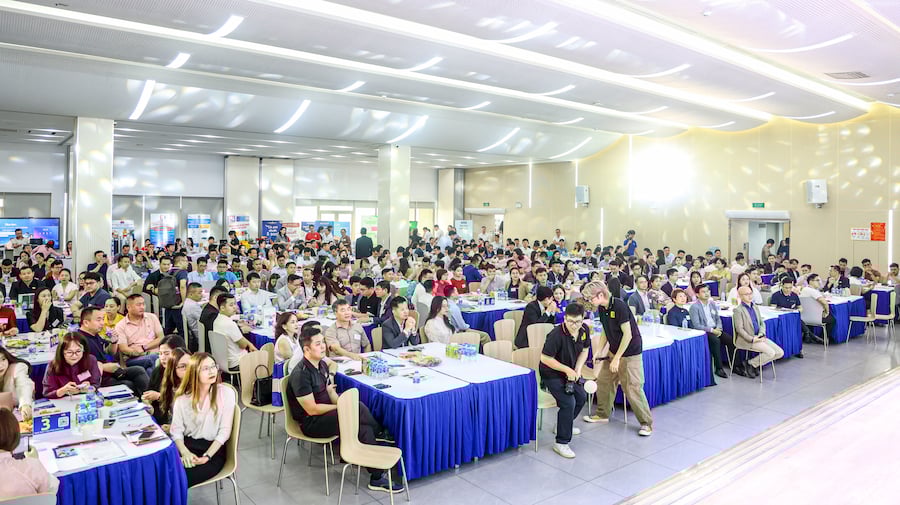
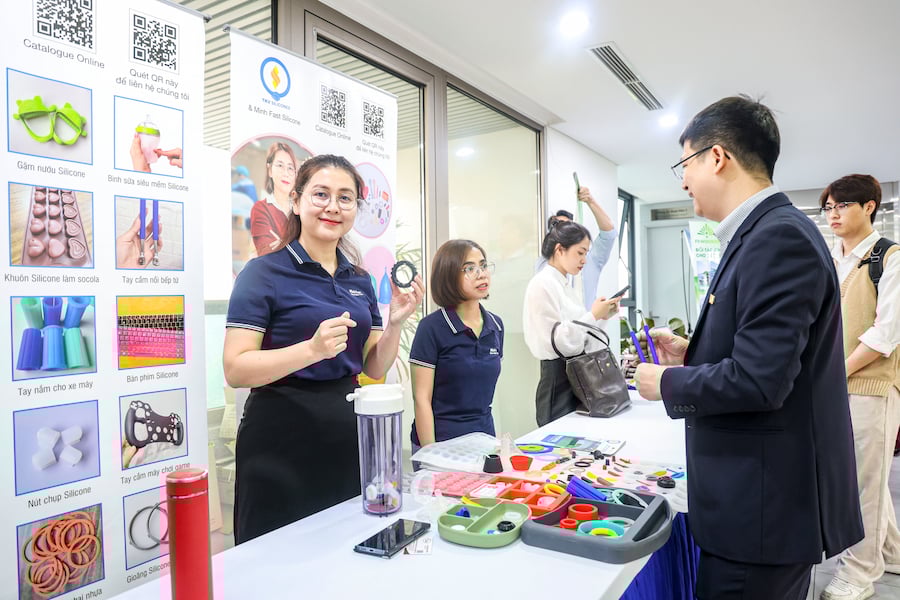
Amid global supply chain fluctuations in tariffs and geopolitics, the "China + 1" strategy is implemented by multinational corporations. If enterprises seek manufacturing solutions outside Chinese territory to optimize risk, MINH FAST (vietnamsiliconerubber.com) is a strategic processing partner in Vietnam, specializing in advanced silicone molds and injection molding.
The development of silicone materials has created safety standards in the toy industry. Careful evaluation of technical capability, cleanroom infrastructure, and material certifications of processing partners is a decisive step for product success on international store shelves.
If your project requires precise silicone injection molding, safety testing requirements, and export cost optimization strategies, connect with the technical expert team to build a synchronized solution.
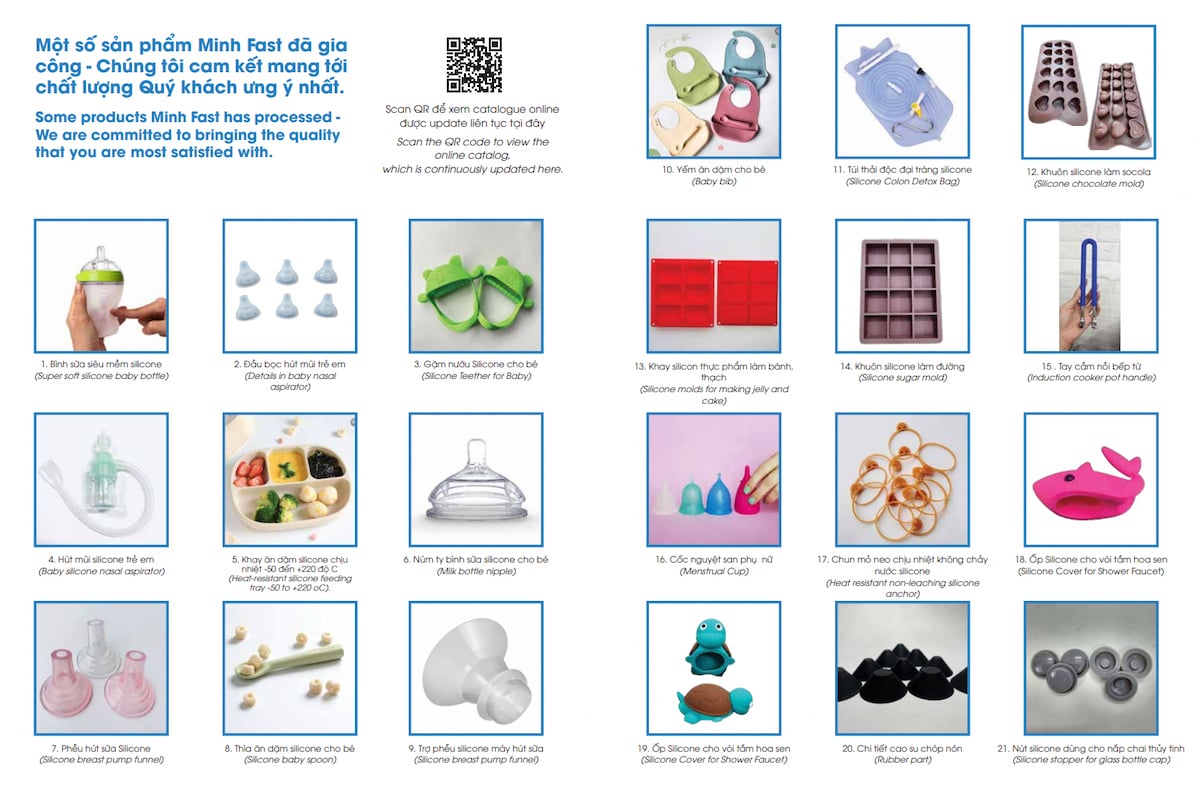
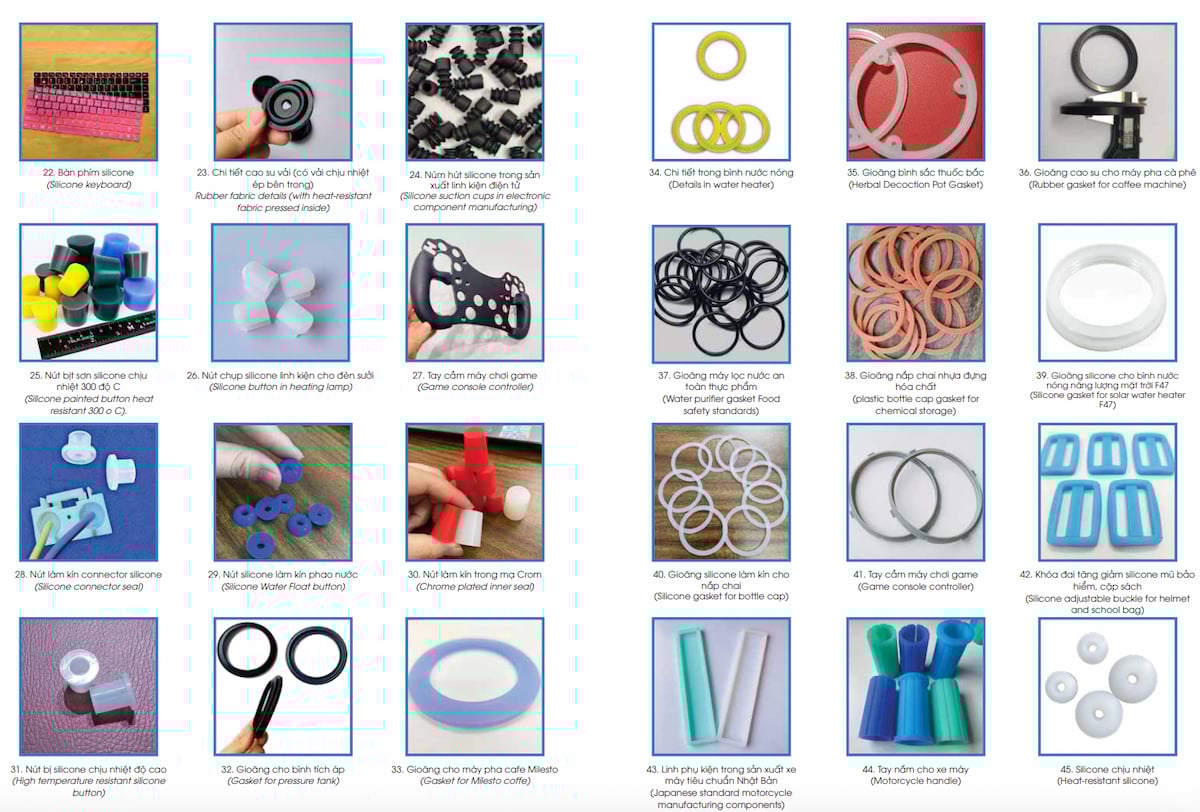
Product Catalog
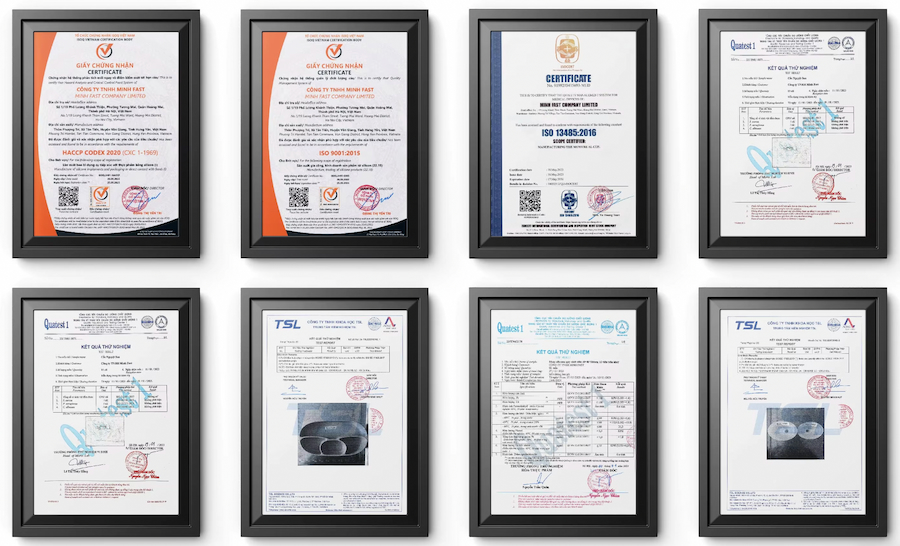
Certification
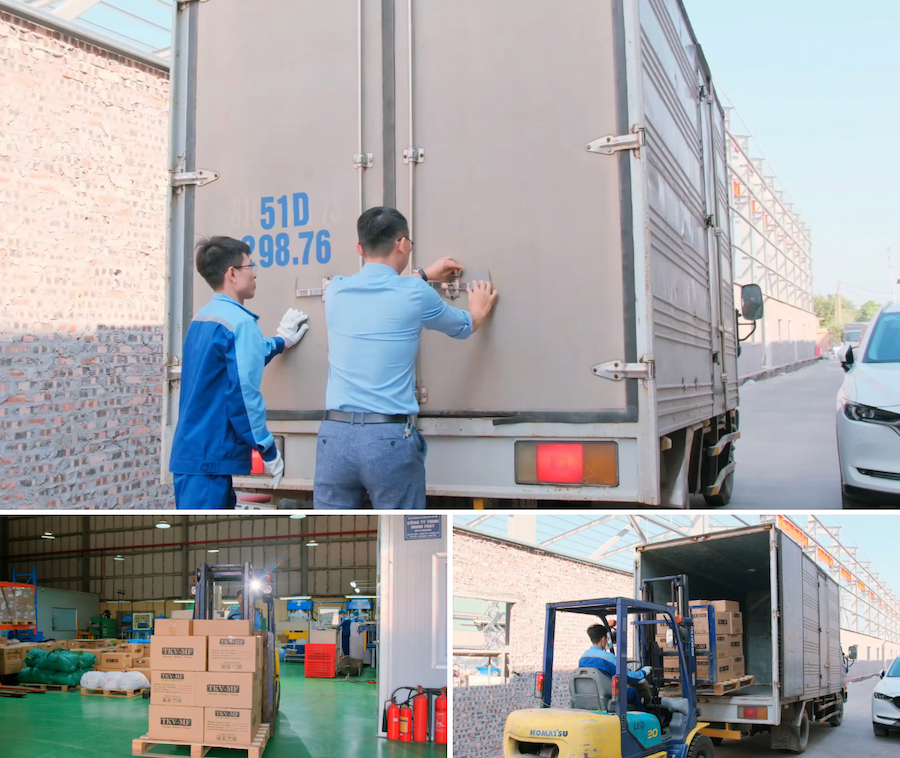
Packaging & Shipping

MINH FAST COMPANY LIMITED
Head Office: No. 1/19 Luong Khanh Thien Street, Tuong Mai Ward, Hanoi, Vietnam
Phone / Zalo / WhatsApp: +84 8899 14599
Email: Thamsiliconetkv@gmail.com | Minhfastsales@gmail.com
YouTube: Minh Fast Silicone Channel