


Top Rubber Stopper Manufacturers & Custom Silicone Plug Factories
Finding the right rubber stopper manufacturer is important when a sealing, masking, protection or closure component must meet specific dimensional, material and performance requirements. Custom rubber stoppers may require application-specific elastomers, controlled hardness, precise dimensions, specialized tooling and repeatable molding processes.
This guide reviews a selection of manufacturers and factories that provide rubber stoppers, rubber plugs, silicone stoppers or broader custom molded rubber and silicone components. The companies included here have been selected based on publicly available information about their manufacturing capabilities and relevant product categories.
The list is not presented as a universal ranking. Different manufacturers are suitable for different applications, production volumes, regulatory requirements and geographic sourcing strategies.
What Is a Rubber Stopper?
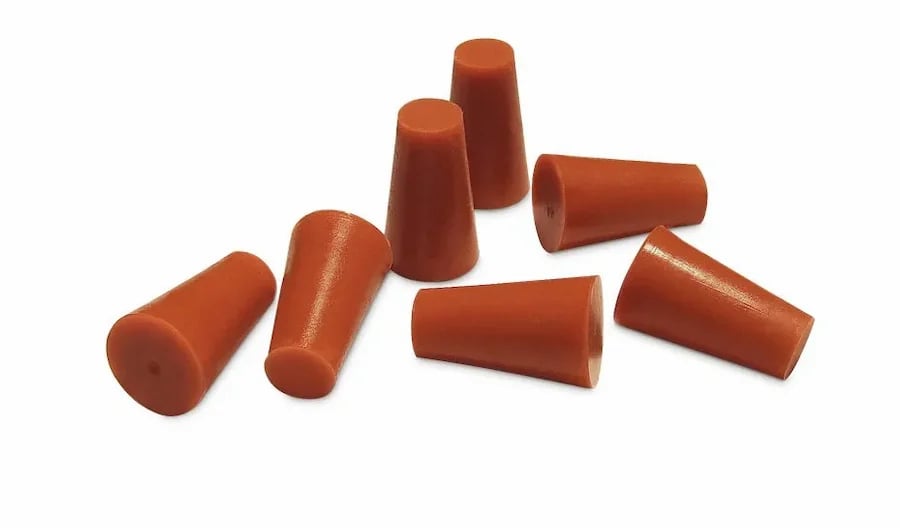
A rubber stopper is a molded elastomer component designed to close, seal, protect, mask or isolate an opening, port, tube, container or mechanical interface. Depending on the application, a stopper may be made from silicone rubber, EPDM, NBR, natural rubber, butyl rubber, FKM or another elastomer.
The term "rubber stopper" covers several different product categories. A pharmaceutical vial stopper, for example, has very different requirements from a silicone masking plug used during powder coating. A shipping protection plug may prioritize low cost and easy installation, while a sealing plug may require controlled interference, compression recovery and chemical compatibility.
Buyers should therefore define the function of the component before selecting a rubber stopper factory.
Quick Comparison of Rubber Stopper Manufacturers
| Manufacturer | Location | Relevant Products / Capabilities | Customization | Industries / Applications | Verified Quality Information |
|---|---|---|---|---|---|
| Minh Fast | Vietnam | Custom silicone and rubber components, plugs, masking plugs, seals and molded parts | Drawings, samples, dimensions, hardness, colors and material options | Industrial, electrical, electronics, powder coating, plating, mechanical and consumer applications | Official website describes quality control and international-grade materials; project-specific documentation should be requested |
| ETOL Rubber & Plastic Products | Shenzhen, China | Rubber stoppers, silicone stoppers, plugs, caps and custom rubber/silicone components | Custom dimensions, materials, hardness, colors and OEM production | Industrial sealing, protection, masking and general rubber/silicone applications | Official company materials state ISO 9001 and other compliance claims; buyers should request current certificates |
| Wayne Rubber | Wixom, Michigan, USA | Custom molded rubber plugs, seals, gaskets and other elastomer components | Custom geometry, elastomer selection and molded production | Automotive, aerospace, oil & gas, HVAC, medical, marine, electrical and industrial applications | ISO 9001 stated by the company; testing to ASTM, ISO, MIL and SAE standards |
| Timco Rubber | Ohio, USA | Custom molded rubber products, rubber plugs, caps, grommets and seals | Material formulation, tooling and molding process development | Industrial and OEM applications across multiple sectors | ISO 9001:2015 stated by the company |
| Apple Rubber | New York, USA | Custom molded seals, silicone parts, O-rings and specialized elastomer components | Custom shapes, materials, hardness, color and engineered sealing solutions | Medical, aerospace, automotive, electronics, food processing and industrial applications | ISO-related quality systems and ISO Class 7 cleanroom capabilities are documented by the company |
| GUME GmbH | Ostermünchen, Germany | Custom molded rubber, silicone, TPE and composite components; plugs and caps | Custom tooling, materials, geometry and production quantities | Medical technology, machinery, electronics, infrastructure, aerospace and defense | DIN EN ISO 9001, ISO 14001, EN 9100 and ISO 13485 stated by the company |
| Qingdao Huaren Medical | Qingdao, China | Pharmaceutical rubber stoppers, injection stoppers, lyophilization stoppers, sterile powder stoppers and syringe components | OEM/ODM and application-specific pharmaceutical closure solutions | Pharmaceutical and drug-delivery packaging | ISO 9001, ISO 15378 and pharmaceutical regulatory documentation stated by the company |
| Protolabs | USA and Europe | Liquid silicone rubber molding and custom molded production parts | CAD-based custom production, rapid prototyping and production manufacturing | Engineering, medical, industrial, electronics and product development | ISO 9001:2015 and other site-specific certifications documented by the company |
Rubber Stoppers vs. Rubber Plugs vs. Silicone Stoppers
Rubber Stoppers
Rubber stoppers generally refer to elastomeric components used to close or seal an opening. They can be cylindrical, tapered, flanged, shouldered or specially molded to match an assembly.
Rubber Plugs
Rubber plugs are commonly used to close holes, ports and openings. They may be used for sealing, temporary protection, masking during finishing processes or preventing contamination during transportation.
Silicone Stoppers
Silicone stoppers are molded from silicone elastomers and are often selected where temperature resistance, flexibility, aging resistance or specific cleanliness requirements are important.
Custom Molded Rubber Components
Some manufacturers do not focus specifically on catalog stopper products but provide custom molded rubber components. These suppliers can manufacture specialized plugs, caps, grommets, seals, diaphragms and other components based on CAD drawings or physical samples.
1. Minh Fast – Custom Rubber & Silicone Manufacturing in Vietnam
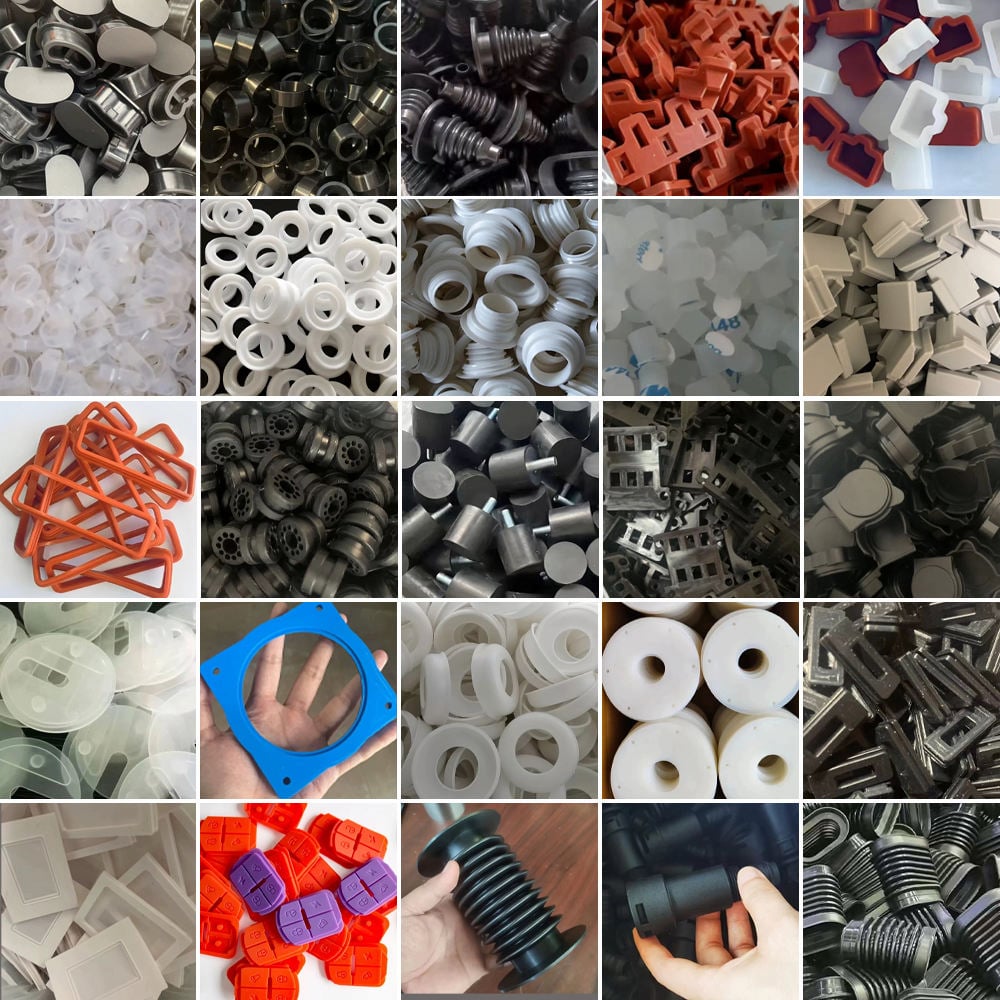
Minh Fast is a Vietnam-based manufacturer offering custom silicone and rubber manufacturing services. Its official website identifies the company as Minh Fast Company Limited and describes manufacturing activities covering industrial rubber products, silicone products and silicone mold manufacturing.
For buyers specifically looking for custom rubber plugs or silicone stoppers, Minh Fast's published product range includes tapered plugs, waterproof rubber plugs, silicone masking plugs and other molded rubber and silicone components.
Manufacturing capabilities
- Custom rubber and silicone molded products
- Silicone rubber components and seals
- Rubber and silicone masking plugs
- Tapered silicone and rubber plugs
- Custom manufacturing based on drawings or physical samples
- Silicone mold manufacturing and tooling support
- Compression and injection molding for relevant product applications
Customization and OEM
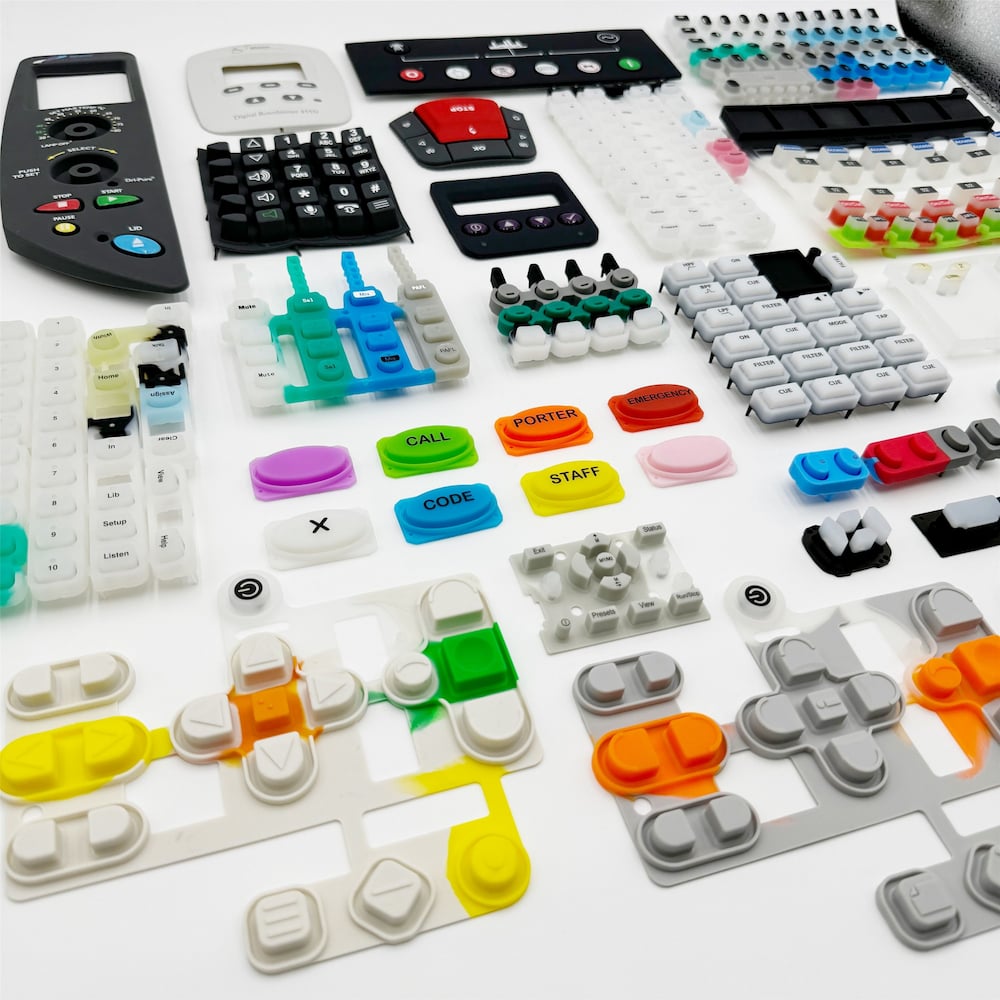
Minh Fast states that rubber and silicone plugs can be manufactured according to customer drawings, dimensions or physical samples. Customization may include dimensions, hardness, material and color, depending on the product and application.
Its published masking plug information also identifies silicone, NBR and EPDM as available material options for relevant applications.
Industries and applications
- Powder coating and wet painting
- Electroplating
- Mechanical manufacturing
- Electrical and electronics
- Industrial sealing and protection
- Consumer and silicone products
Strengths
- Vietnam-based manufacturing option for international buyers
- Custom production based on drawings or samples
- Experience with silicone and rubber molded components
- Relevant product experience in plugs, masking components and seals
- Tooling and mold manufacturing capabilities
Limitations to verify before ordering
Publicly available information does not establish that every Minh Fast product is automatically certified for every regulated application. Buyers requiring FDA, medical, food-contact, automotive or other regulatory compliance should request the applicable material certificates, test reports and current quality documentation for the exact component before production.
MOQ, tooling costs, dimensional tolerances and production lead time should also be confirmed for each individual custom stopper project rather than assumed from another product.
2. ETOL Rubber & Plastic Products – Custom Rubber and Silicone Parts
ETOL Rubber & Plastic Products is a China-based manufacturer offering custom rubber and silicone products. Its published product range includes rubber stoppers, rubber plugs, silicone plugs and silicone stoppers.
Relevant capabilities
- Rubber stoppers
- Silicone stoppers
- Rubber plugs and caps
- Custom silicone rubber plugs
- Custom molded rubber and silicone components
- OEM production
ETOL states that customers can provide drawings or samples and request customized dimensions, structures, materials, hardness and colors. This makes the company relevant for buyers looking for a dedicated custom rubber plug manufacturer rather than only standard catalog components.
Suitable applications
ETOL's published products cover sealing, protection, masking and general industrial applications. Its silicone and rubber components are therefore relevant to buyers developing equipment, assemblies and industrial products that require customized elastomer geometry.
Strengths and limitations
A major strength is the breadth of custom rubber and silicone component options. However, buyers should confirm the current validity and scope of any certification claimed for their specific manufacturing site and product. Certification should not be assumed simply because a material or product page references a particular standard.
3. Wayne Rubber – Custom Molded Rubber Plugs in the USA
Wayne Rubber is based in Wixom, Michigan and manufactures custom molded rubber components. Its product information specifically identifies custom rubber plugs for sealing, high-temperature masking and protection applications.
Manufacturing capabilities
- Compression molding
- Transfer molding
- Injection molding
- Custom rubber plug manufacturing
- Custom sealing components
- Custom compound formulation
Wayne Rubber describes different plug designs for different functions. For example, a sealing plug may require controlled interference and fluid compatibility, while a masking plug may require a heat-resistant silicone compound.
Materials
The company's published material range includes EPDM, FKM, silicone, nitrile, HNBR, polyurethane, fluorosilicone, chloroprene, SBR and natural rubber, among other elastomers.
Industries served
Wayne Rubber lists automotive, aerospace, oil and gas, heavy equipment, HVAC, food and beverage, medical, marine, military and defense, electrical, agricultural and construction applications.
Quality
Wayne Rubber states ISO 9001 certification and testing against ASTM, ISO, MIL and SAE standards.
The company is particularly relevant when a buyer needs a technically engineered rubber plug rather than a simple commodity stopper.
4. Timco Rubber – Custom Molded Rubber Plugs and Components
Timco Rubber has supplied custom rubber products since 1956 and offers custom molded rubber components for industrial and OEM applications.
Relevant products
- Rubber plugs
- Rubber caps
- Grommets
- Molded seals
- Bushings
- Vibration mounts
- Rubber-to-metal components
Its molded rubber capabilities include injection, transfer and compression molding. The company also works with materials including butyl rubber, EPDM, Viton, neoprene, silicone rubber, nitrile, polyisoprene and sponge rubber.
OEM and custom development
Timco's process begins with an engineering review covering the application, material requirements, production volume, tooling and other project requirements. The company can also develop compounds and tooling for custom rubber products.
Quality
Timco states that it is ISO 9001:2015 certified and maintains documented quality procedures and auditing processes.
Timco may be a suitable option for OEM buyers that need a broader custom rubber component program rather than a stopper-only supplier.
5. Apple Rubber – Precision Silicone and Custom Molded Sealing Components
Apple Rubber is a US manufacturer specializing in O-rings, rubber seals, silicone parts and custom molded sealing devices. Although it is not positioned exclusively as a rubber stopper factory, its custom molded capabilities make it relevant for specialized stopper-like sealing components and other custom elastomer parts.
Capabilities
- Silicone rubber molding
- Liquid silicone rubber molding
- Compression molding
- Injection molding
- Custom molded shapes
- Custom sealing components
- Custom material and color options
Apple Rubber states that it manufactures custom molded shapes including grommets, molded inserts, bushings, poppets, connector seals and piston seals. Its silicone capabilities cover demanding applications involving medical, automotive, aerospace, electronics and food-processing environments.
Medical and cleanroom capability
Apple Rubber documents an ISO Class 7 cleanroom and liquid silicone rubber molding capability. It also publishes information regarding FDA 21 CFR 177.2600, USP Class VI and ISO 10993-related silicone applications.
Buyers should nevertheless verify the exact material grade, regulatory status and testing documentation required for the finished stopper rather than relying only on general company-level capabilities.
6. GUME GmbH – Custom Rubber and Silicone Components in Germany
GUME GmbH is a German manufacturer of custom molded rubber, silicone, TPE and composite components. Its manufacturing facility is located in Ostermünchen, Bavaria.
Manufacturing capabilities
- Rubber compression molding
- Injection molding
- Transfer molding
- Silicone molding
- In-house toolmaking
- Rubber-metal composite parts
- Rubber-plastic composite parts
- Plugs and caps
GUME publishes customized production capabilities for rubber, silicone and TPE components and states that it handles projects from tooling through series production.
Industries
Its published industry coverage includes medical technology, machinery and plant engineering, electronics, infrastructure, aerospace and defense.
Quality standards
GUME publicly lists DIN EN ISO 9001, ISO 14001, EN 9100 and ISO 13485 among its certified quality systems.
GUME can therefore be particularly relevant for engineering-led projects where tooling, traceability, material selection and controlled series production are important considerations.
7. Qingdao Huaren Medical – Pharmaceutical Rubber Stopper Manufacturer
Qingdao Huaren Medical is a specialized pharmaceutical rubber stopper manufacturer based in Qingdao, China. Unlike general industrial rubber plug manufacturers, Huaren focuses heavily on pharmaceutical primary packaging and drug-delivery components.
Products
- Rubber stoppers for injection
- Lyophilization rubber stoppers
- Sterile powder stoppers
- Butyl blood collection stoppers
- Polyisoprene rubber septa
- Prefilled syringe plungers and caps
- IV bag ports and components
OEM and technical support
Huaren states that it provides OEM and ODM services, including specific designs, material combinations and solutions for pharmaceutical isolation and aseptic filling applications.
Quality and regulatory focus
The company publicly identifies ISO 9001, ISO 15378 and Drug Master File support. It also references major pharmacopoeial requirements including USP, European Pharmacopoeia and Japanese Pharmacopoeia standards.
Huaren is therefore much more specialized toward pharmaceutical closures than general industrial silicone plug manufacturers. For ordinary powder-coating, machinery or electrical applications, its regulatory specialization may be unnecessary.
8. Protolabs – Rapid Liquid Silicone Rubber Manufacturing
Protolabs is a digital manufacturing company with manufacturing facilities in the United States and Europe. It provides liquid silicone rubber molding alongside other custom manufacturing services.
Protolabs is not a dedicated rubber stopper manufacturer. It is included because its LSR molding service can be relevant to engineers developing custom silicone stoppers or other silicone rubber components from CAD designs.
Capabilities
- Liquid silicone rubber injection molding
- Custom silicone rubber parts
- Rapid prototyping
- Production molding
- CAD-based design analysis
- Multiple silicone grades and durometers
Production model
Protolabs supports low-volume production, prototypes, pilot runs and larger production programs. Its digital quoting workflow allows engineers to submit CAD models for manufacturability review and quotation.
Quality
Protolabs publicly documents ISO 9001:2015 and other site-specific certifications, including ISO 13485:2016 for certain injection molding operations.
This option is particularly relevant for product developers that value digital quoting, rapid prototyping and a structured transition from prototype to production.
How to Choose a Rubber Stopper Manufacturer
Choosing a manufacturer should start with the application rather than the catalog shape. A stopper that looks correct may still fail because of an unsuitable material, incorrect interference fit, insufficient compression recovery or inadequate temperature resistance.
1. Material selection
Material should be selected according to the actual operating environment. Common options include silicone, EPDM, NBR, FKM, natural rubber, neoprene, butyl rubber and other specialized elastomers.
Silicone is often considered where temperature stability, flexibility, weather resistance or cleanliness are important. NBR can be useful for applications involving oils and petroleum-based fluids. EPDM is commonly considered for water, weather and ozone exposure. FKM is often selected for demanding chemical and temperature environments.
These are general material characteristics rather than a substitute for application-specific compatibility testing.
2. Dimensions and tolerances
Provide the manufacturer with the receiving hole or mating component dimensions, not only the desired outside diameter of the stopper.
Important dimensions may include:
- Outside diameter
- Inside diameter
- Overall height
- Insertion depth
- Taper angle
- Flange dimensions
- Wall thickness
- Groove or retaining features
- Required dimensional tolerances
3. Hardness
Rubber hardness is normally specified using Shore A for many elastomeric components. The appropriate hardness depends on the required insertion force, sealing pressure, flexibility and mechanical retention.
A softer stopper may conform better to an irregular opening, while a harder compound may provide greater structural stability. The correct value must be determined from the actual assembly and operating conditions.
4. Sealing requirements
Tell the manufacturer whether the stopper is intended to provide a liquid seal, gas seal, dust barrier, pressure seal or temporary closure.
If the component must withstand pressure or vacuum, provide the expected operating pressure, temperature and duration. Repeated insertion and removal should also be identified because it can affect the geometry and hardness requirements.
5. Temperature and chemical resistance
Specify the lowest temperature, continuous operating temperature and peak temperature. Also provide the chemicals, oils, solvents, cleaning agents or other substances that will contact the stopper.
This information is particularly important when selecting between silicone, EPDM, NBR, FKM, butyl and other elastomers.
6. Tooling and mold requirements
Custom rubber stoppers normally require tooling when the required geometry is not already available as a standard part.
Ask the manufacturer:
- Who owns the mold?
- What is the tooling cost?
- How long will mold development take?
- Can the mold be modified after sampling?
- Can an existing customer-owned mold be used?
- How are mold maintenance and replacement handled?
7. OEM and engineering support
An experienced OEM manufacturer should be able to review drawings and identify potential manufacturing problems before production.
For complex custom silicone parts, design-for-manufacturing support can reduce flash, distortion, difficult demolding and unnecessary tooling costs.
8. Quality control and certification
Certification should be evaluated according to the application. ISO 9001 relates to quality management, while medical, aerospace, pharmaceutical and food-contact applications may require additional standards or material-specific documentation.
Ask for current certificates and determine whether the certificate covers the specific factory and manufacturing process used for your parts.
9. MOQ and production volume
MOQ can vary significantly between manufacturers and projects. A prototype or low-volume engineering program may have different commercial requirements from annual mass production.
Always request a project-specific quotation covering tooling, samples, unit price, minimum order quantity and production lead time.
10. Packaging and international logistics
Packaging becomes particularly important for silicone and rubber components used in clean, medical, food or precision manufacturing environments.
International buyers should also confirm carton specifications, labeling, export documentation, certificate of origin requirements and shipping terms.
Custom Rubber Stopper Manufacturing Process
- Requirement review: The buyer provides application information, drawings, samples, quantity and operating conditions.
- Material selection: The manufacturer evaluates the appropriate elastomer, hardness and performance requirements.
- Design and tooling: CAD data and mold specifications are reviewed before tooling production.
- Prototype or sample: Initial parts are produced for dimensional and functional evaluation.
- Testing and approval: Critical dimensions, appearance, sealing performance and application-specific requirements are checked.
- Mass production: Approved tooling is used for repeat production.
- Inspection and packaging: Finished parts are inspected and packed according to the agreed requirements.
Common Applications for Custom Rubber and Silicone Stoppers
- Industrial equipment
- Electrical enclosures
- Electronic components
- Automotive components
- Mechanical assemblies
- Powder coating and wet painting
- Electroplating
- Pipe and tube protection
- Fluid and air sealing
- Medical equipment
- Pharmaceutical packaging
- Laboratory equipment
- Food-processing equipment
- Outdoor equipment
- Consumer products
FAQ About Custom Rubber and Silicone Stoppers
Can rubber stoppers be manufactured to a custom drawing?
Yes. Many custom rubber stopper manufacturers accept CAD drawings, engineering drawings, sketches or physical samples. The manufacturer normally uses these specifications to evaluate material, tooling, dimensions and production methods.
What materials can be used for custom rubber stoppers?
Depending on the manufacturer and application, materials may include silicone, EPDM, NBR, FKM, natural rubber, neoprene, butyl rubber and other elastomers. Material selection should be based on temperature, chemicals, pressure, flexibility, sealing requirements and regulatory requirements.
What is the difference between a silicone stopper and a rubber stopper?
Silicone is itself an elastomeric rubber material. In commercial terminology, "rubber stopper" may refer broadly to a stopper made from various elastomers, while "silicone stopper" specifically identifies silicone as the material.
Can silicone stoppers be used for high-temperature applications?
Silicone can perform well across a relatively wide temperature range, but the actual operating limit depends on the specific compound, design and exposure conditions. Buyers should request a technical datasheet for the exact silicone grade being proposed.
Can rubber plugs be used for powder coating?
Yes, specialized masking plugs are commonly used to protect holes and interfaces during coating, painting and plating processes. The stopper material must be selected for the actual process temperature, chemical exposure and reuse conditions.
How much does a custom rubber stopper cost?
There is no reliable universal price. Cost depends on geometry, material, hardness, tooling, tolerances, finishing, order quantity, testing requirements and packaging. A manufacturer should quote the project based on the actual drawing or sample.
Is a new mold required for every custom rubber stopper?
Not necessarily. If a suitable existing mold or standard part is available, additional tooling may not be necessary. A genuinely new geometry normally requires custom tooling, especially when the part must be produced repeatedly to controlled dimensions.
What information should I send to a rubber stopper manufacturer?
Ideally provide a 2D drawing or 3D CAD file, mating-hole dimensions, material preference, hardness, quantity, application, operating temperature, chemical exposure, sealing requirements, color and any certification requirements.
Can Minh Fast manufacture custom rubber plugs and silicone stoppers?
Minh Fast's official product information states that it manufactures custom rubber and silicone plugs, including tapered plugs and masking plugs, based on drawings, specified dimensions or physical samples. Custom dimensions, hardness, colors and material specifications can be discussed according to the application.
Contact Minh Fast for Custom Rubber & Silicone Stoppers
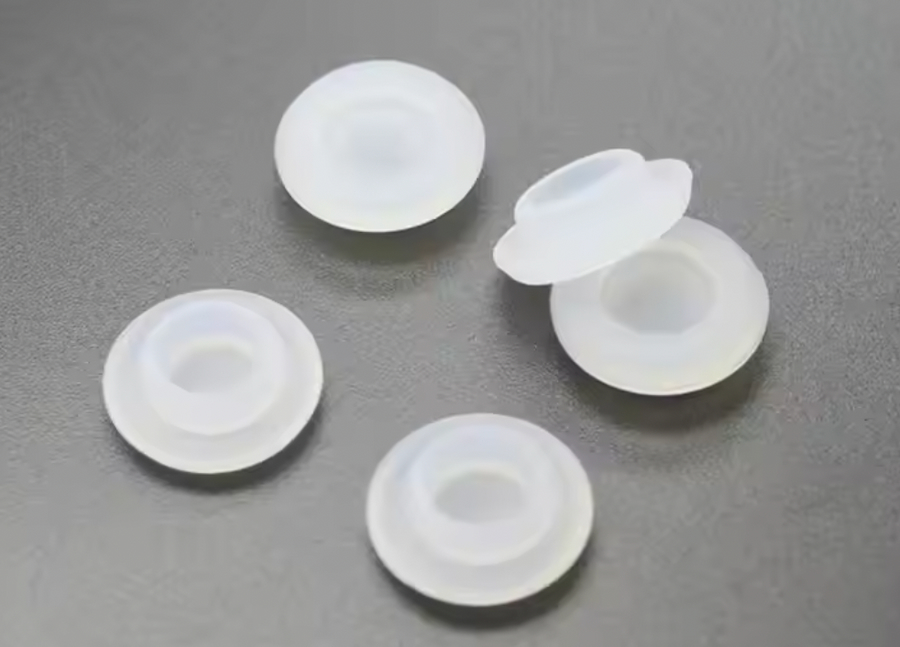
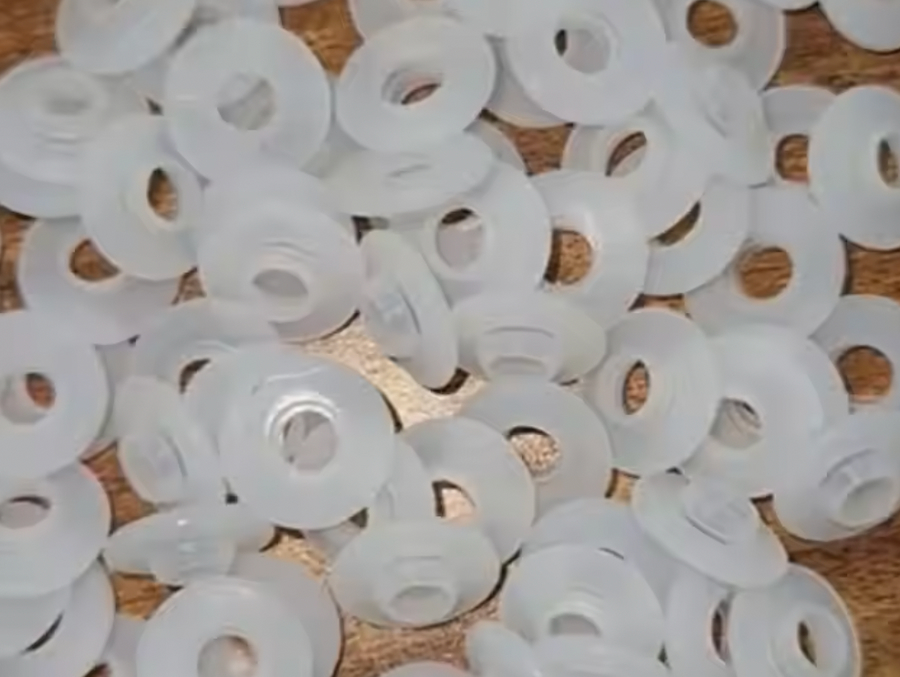
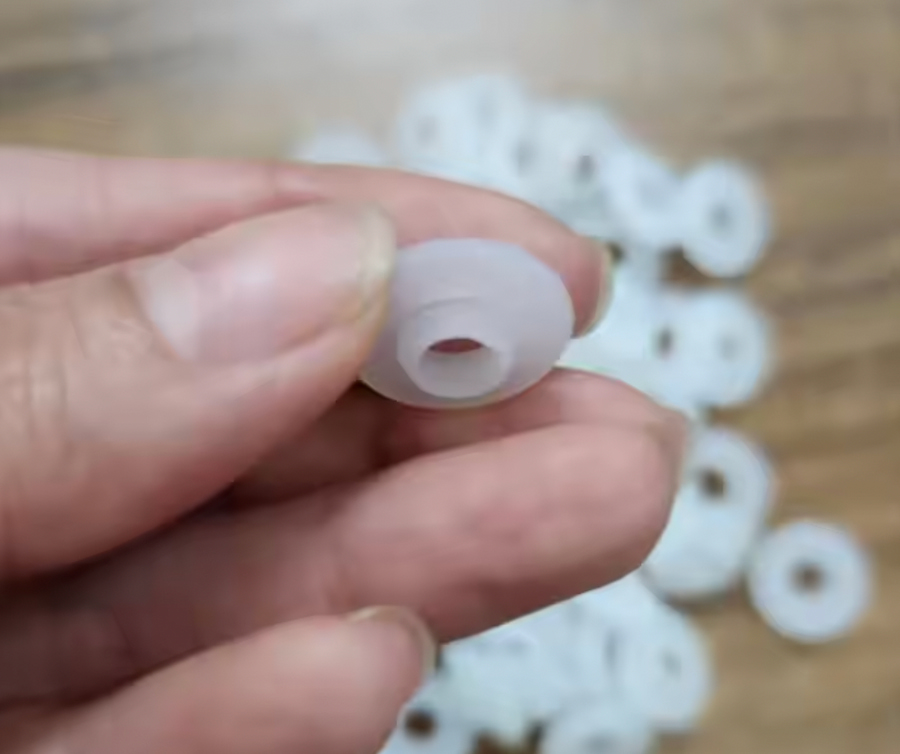
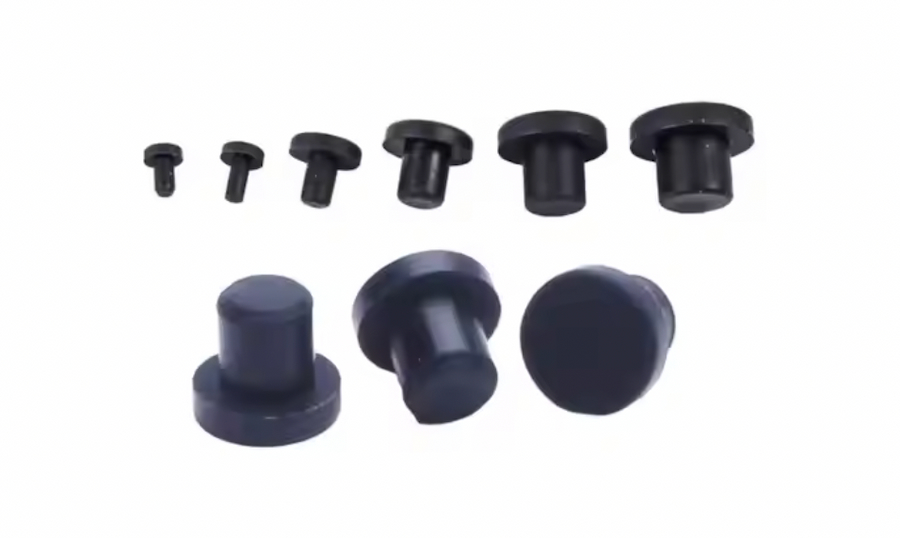
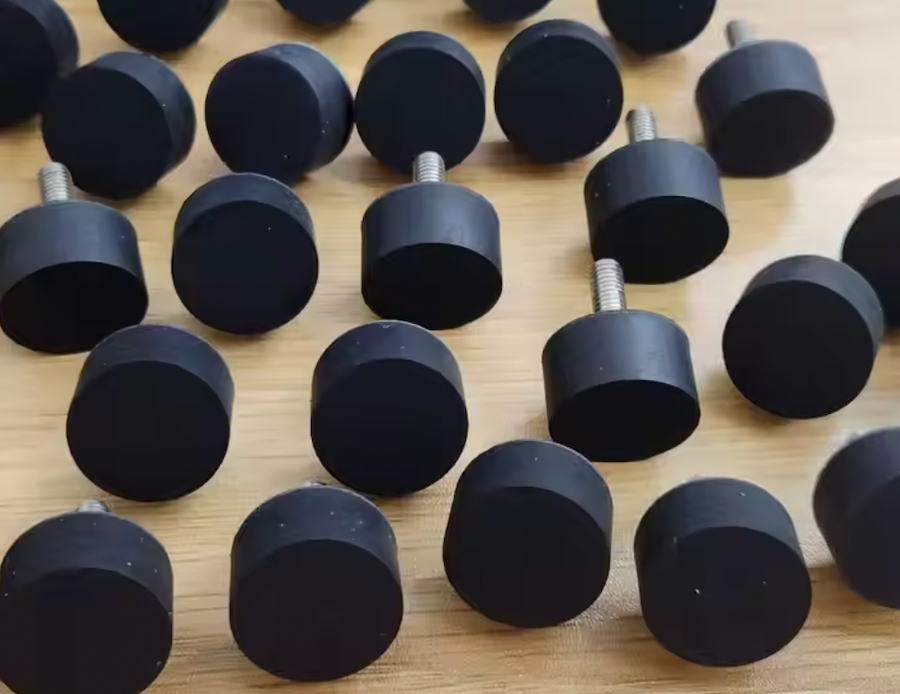
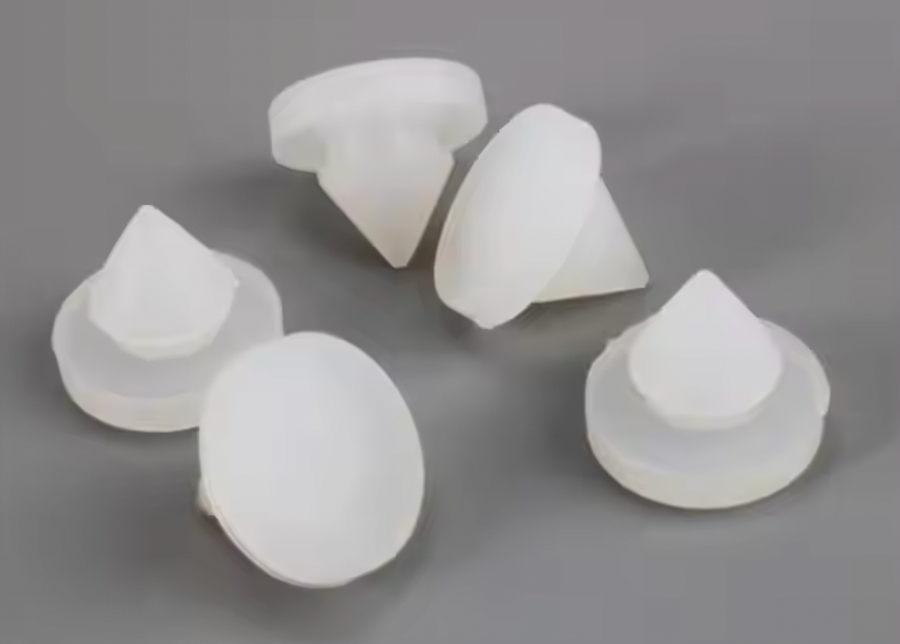
For buyers sourcing custom rubber stoppers, silicone plugs or molded rubber components from Vietnam, Minh Fast is an option worth evaluating based on the company's published experience in custom silicone and rubber manufacturing.
Minh Fast manufactures custom silicone and rubber components according to customer drawings, samples and technical requirements. Its published industrial product range includes tapered silicone plugs, rubber plugs, silicone masking plugs, rubber caps, silicone seals and other molded components.
The company also describes silicone mold manufacturing and engineering support, allowing custom projects to be developed from product specifications through tooling and production.
For industrial applications, buyers can discuss requirements such as stopper dimensions, material, hardness, color, wall thickness, sealing function and operating environment. Depending on the application, materials such as silicone, NBR and EPDM may be considered.
For regulated applications, buyers should provide the exact compliance requirements during quotation and request the relevant material certificates, test reports and quality documentation for the finished product before placing a production order.
If you are sourcing custom rubber stoppers, silicone stoppers, tapered rubber plugs, masking plugs or other OEM rubber parts, provide your technical drawing or physical sample together with the required quantity and application conditions. The manufacturing team can then evaluate material selection, tooling requirements, production method and quotation.
Request a Custom Rubber or Silicone Stopper Quote
Contact Minh Fast for product consultation, custom specifications, OEM manufacturing, mold requirements and production support. Send your drawing, sample, dimensions, material requirements and estimated order quantity to receive a project-specific evaluation and quotation.
Recommended information to include:
- 2D drawing or 3D CAD file
- Physical sample or product photos, if available
- Required material
- Shore A hardness
- Critical dimensions and tolerances
- Operating temperature
- Chemical or fluid exposure
- Sealing or masking requirements
- Estimated quantity
- Required certification or compliance documentation
See More
Selecting a rubber stopper manufacturer should be based on application requirements rather than company size or a generic product description. The most important considerations include elastomer selection, hardness, dimensions, tolerances, sealing performance, temperature and chemical resistance, tooling, quality control, certification and production volume.
Dedicated stopper manufacturers such as Huaren Medical may be more appropriate for pharmaceutical closure systems, while companies such as Wayne Rubber, Timco Rubber, Apple Rubber and GUME may be better suited to engineered molded rubber and silicone components. Protolabs is particularly relevant for CAD-driven silicone molding, rapid development and production programs.
For buyers considering Vietnam as a manufacturing location, Minh Fast provides another option for custom rubber and silicone components, including plugs, masking products, tapered plugs and silicone sealing products. The most effective next step is to provide the manufacturer with the actual drawing, sample and operating conditions so the material, tooling and production method can be evaluated before quotation.
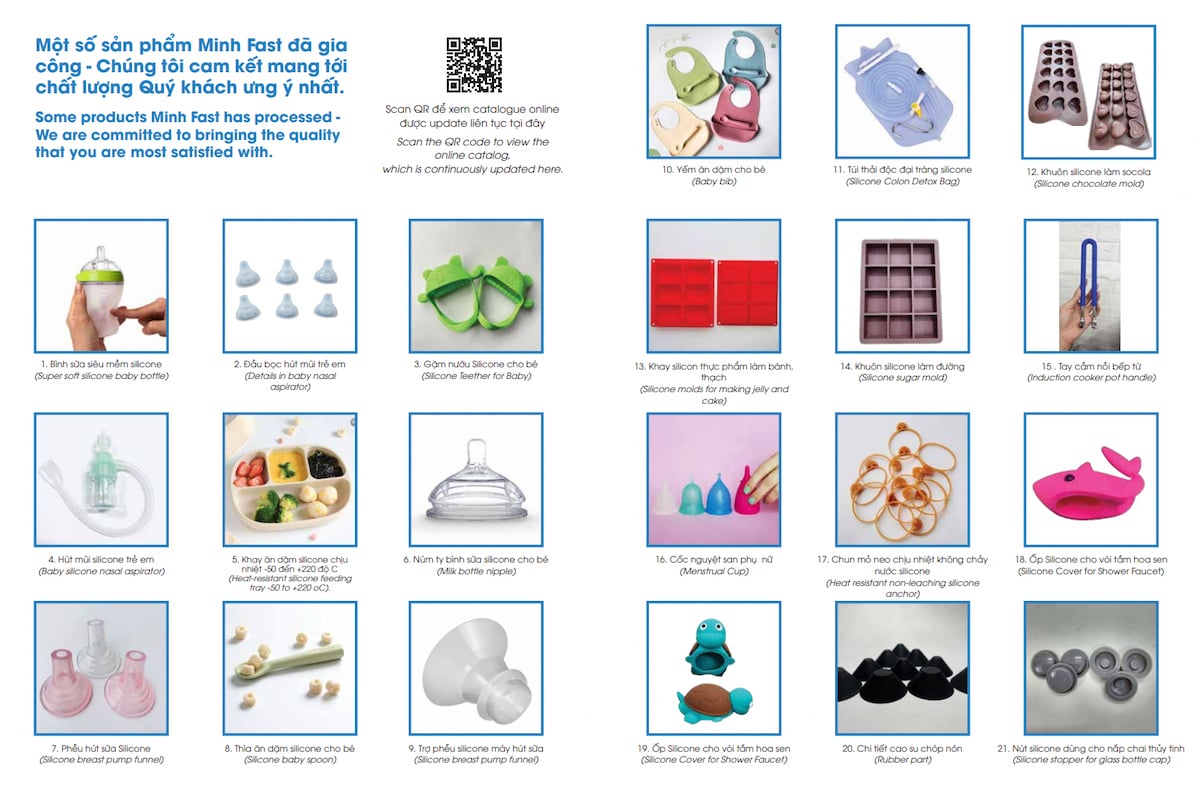
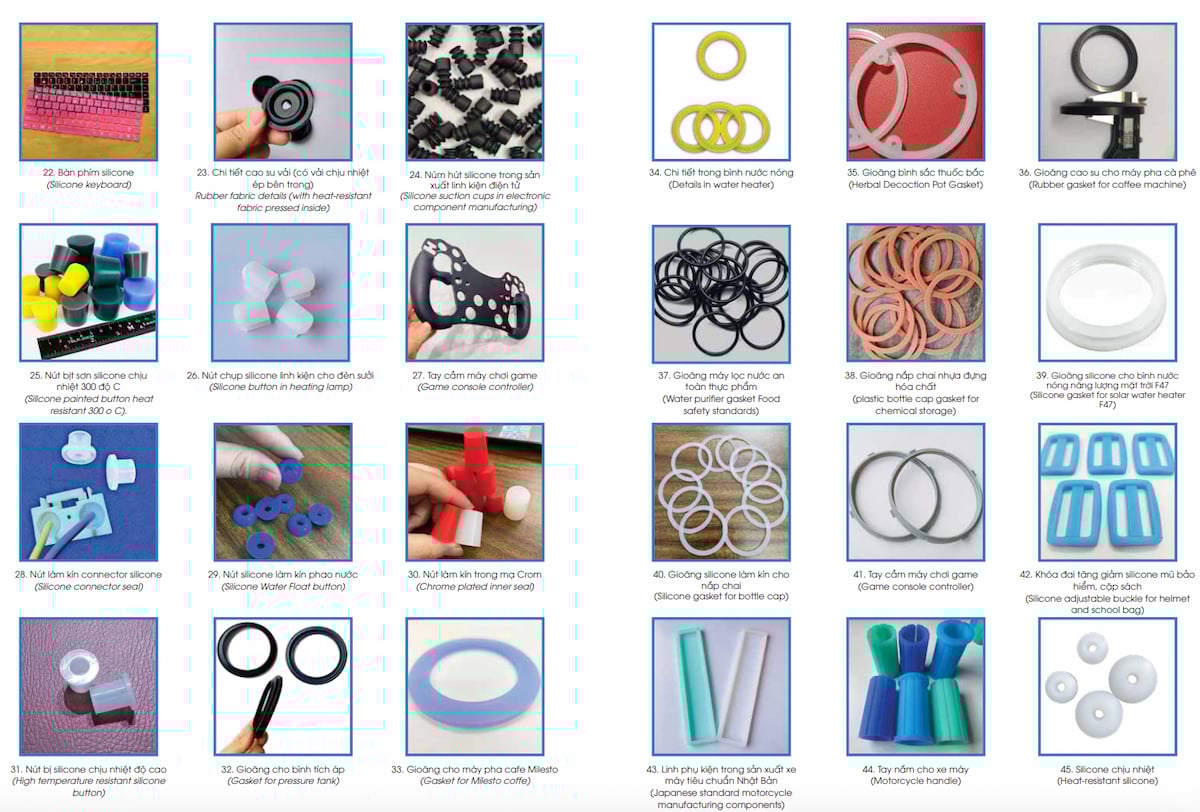
Product Catalog
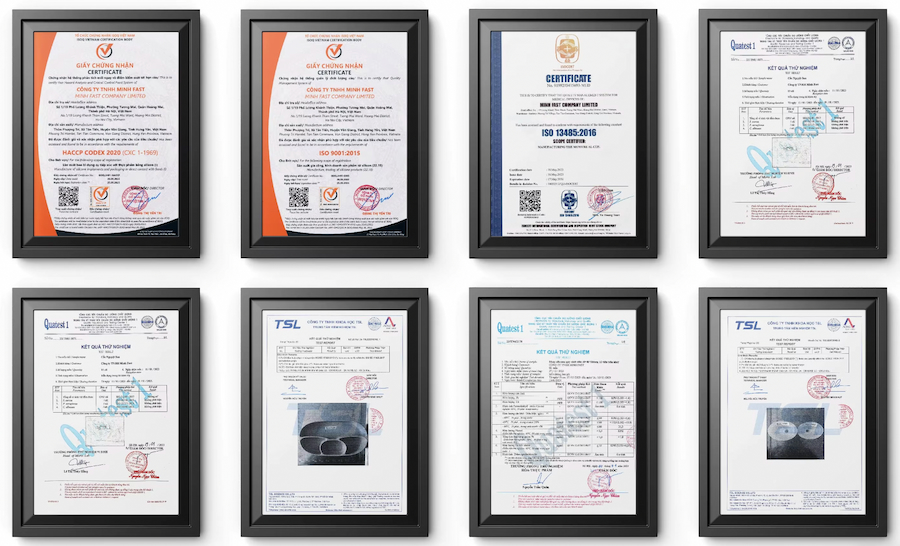
Certification
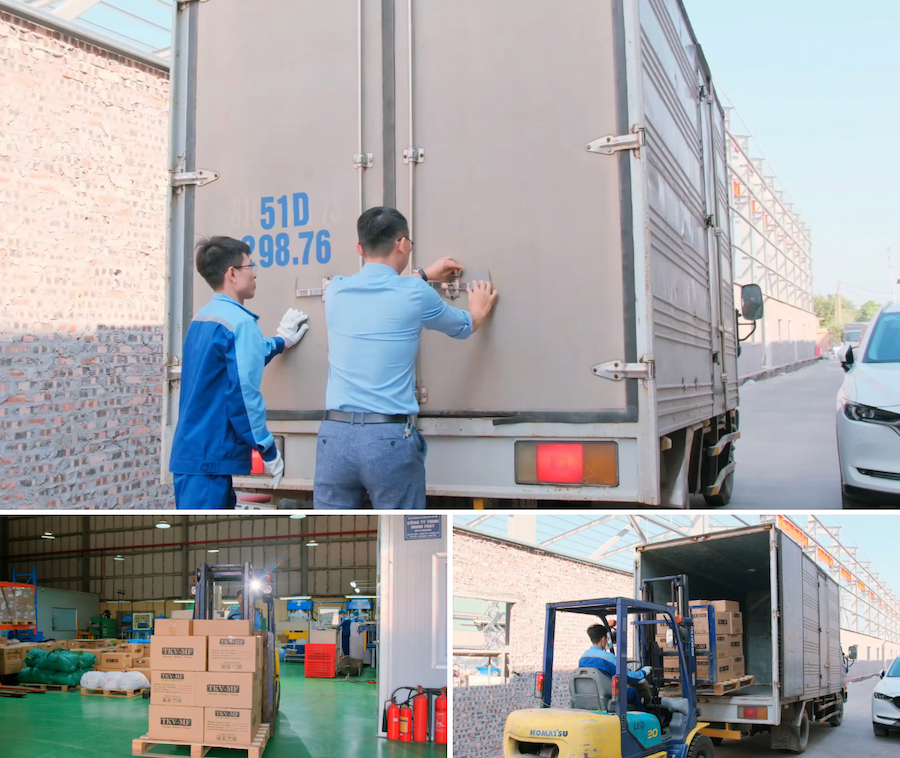
Packaging & Shipping

MINH FAST COMPANY LIMITED
Head Office: No. 1/19 Luong Khanh Thien Street, Tuong Mai Ward, Hanoi, Vietnam
Phone / Zalo / WhatsApp: +84 8899 14599
Email: Thamsiliconetkv@gmail.com | Minhfastsales@gmail.com
YouTube: Minh Fast Silicone Channel