


Is Silicone Safe To Use For Baking and Cooking?
- What Is Silicone?
- Is Silicone Safe for Baking?
- Is It Safe to Use Silicone for Baking Frequently?
- Is Silicone Plastic Safe for Cooking?
- Is It Safe to Use Silicone Baking Mats?
- Is Silicone Safe for Food Use?
- Advantages of Using Silicone in Baking and Cooking
- 1. Heat Resistance
- 2. Non-Stick Properties
- 3. Flexibility & Elasticity
- 4. Durability & Long Lifespan
- 5. Eco-Friendly & Sustainable
- 6. Food Safety & Chemical Stability
- 7. Easy Cleaning & Maintenance
- 8. Lightweight & User-Friendly
- How to Choose High-Quality Silicone Products
- Popular Silicone Products for Baking and Cooking
- Global OEM Solution: MINH FAST – Silicone Manufacturing Expert
- Product Catalog
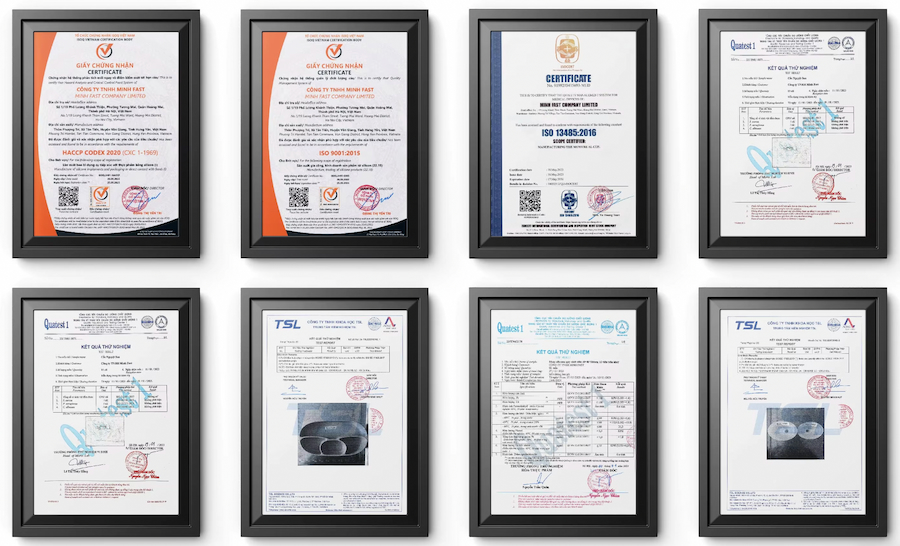
- Certification
- Packaging & Shipping
- MINH FAST COMPANY LIMITED
- Factory Location
Silicone has become one of the most popular materials in modern kitchens, widely used in baking mats, molds, utensils, and cookware. However, many consumers still ask important questions such as: is silicone safe to use for baking, or is silicone plastic safe for cooking?
In this comprehensive guide, we will explore the science behind silicone, its safety for food applications, advantages in baking, and how to choose high-quality silicone products. If you are considering switching to silicone for your kitchen, this article will give you a clear, expert-level understanding.
What Is Silicone?
Silicone is a synthetic material made from silicon (derived from sand), oxygen, carbon, and hydrogen. Unlike traditional plastics, silicone is a rubber-like elastomer that combines flexibility, durability, and heat resistance.
This unique composition is why many people ask: is silicone safe for food use? The answer lies in its chemical structure. Silicone is chemically stable, meaning it does not easily react with food, water, or heat. This makes it highly suitable for cooking and baking applications.
Is Silicone Safe for Baking?

Short Answer: Yes — High-Quality Silicone Is Safe. Food-grade silicone is considered safe for baking when it meets international standards such as FDA or LFGB. It can withstand high temperatures without melting, warping, or releasing harmful chemicals.
Why Silicone Is Safe in the Oven
-
High heat resistance: Typically safe from -40°C to 230°C (or higher)
-
Non-toxic composition: Does not release harmful fumes when heated
-
Non-reactive material: Does not interact with acidic or alkaline foods
-
Stable structure: Maintains shape and performance over time
So if you're wondering is silicone safe to use for baking, the answer is yes—provided you are using certified food-grade products.
Is It Safe to Use Silicone for Baking Frequently?
Silicone baking tools are designed for repeated use. Unlike some plastics that degrade over time, silicone remains stable even after hundreds of heating cycles.
Long-Term Benefits
-
No cracking or breaking like traditional bakeware
-
Resistant to stains and odors
-
Easy to clean and dishwasher safe
-
Maintains flexibility and performance
This makes silicone an excellent long-term investment for home bakers and professional kitchens alike.
Is Silicone Plastic Safe for Cooking?

A common misconception is that silicone is just another type of plastic. This leads to the question: is silicone plastic safe for cooking?
Silicone vs Plastic
Silicone is not the same as conventional plastic. While plastics are petroleum-based and may release harmful substances when heated, silicone is derived from silica and is much more stable.
Key Differences:
|
Feature |
Silicone |
Plastic |
|
Heat Resistance |
Up to 230°C+ |
Often melts or deforms |
|
Chemical Stability |
High |
Lower |
|
Food Safety |
Food-grade certified |
Varies widely |
|
Durability |
Long-lasting |
Can degrade |
So, when asking is silicone plastic safe for cooking, it's important to understand that silicone is a safer and more heat-resistant alternative to many plastics.
Is It Safe to Use Silicone Baking Mats?
Silicone baking mats are one of the most popular kitchen tools today. High-quality silicone baking mats are made from food-grade silicone reinforced with fiberglass mesh, providing both strength and flexibility.
Benefits:
-
Non-stick surface (no need for oil or parchment paper)
-
Even heat distribution
-
Reusable and eco-friendly
-
Resistant to burning and warping
As long as the mat is certified (FDA or LFGB), it is completely safe for baking cookies, pastries, and other foods.
Is Silicone Safe for Food Use?

Food-Grade Silicone Standards
To ensure safety, silicone products should meet:
-
FDA (USA) regulations
-
LFGB (Europe) standards
-
BPA-free requirements
What Makes Silicone Food-Safe?
-
Non-toxic and odorless
-
Does not leach chemicals into food
-
Resistant to bacteria growth
-
Safe for hot and cold foods
This makes silicone suitable not only for baking but also for cooking, freezing, and food storage.
Advantages of Using Silicone in Baking and Cooking
Silicone has gained widespread popularity in both home kitchens and professional culinary environments—not just because it’s convenient, but because it offers real technical and practical advantages over traditional materials. Below is a deeper look at why silicone stands out.
1. Heat Resistance
Silicone is engineered to perform under extreme temperatures, which is one of its biggest advantages in cooking and baking.
-
Typical temperature range: -40°C to 230°C (or higher depending on grade)
-
Safe for use in ovens, microwaves, air fryers, and freezers
-
Maintains structural integrity without melting, cracking, or warping
-
Suitable for rapid temperature changes (e.g., freezer to oven)
2. Non-Stick Properties
Silicone naturally has a low surface energy, which creates a non-stick effect without requiring additional coatings.
-
No need for oil, butter, or parchment paper
-
Helps reduce fat intake in cooking
-
Prevents food from sticking or burning onto surfaces
-
Easy release of delicate baked goods like cakes, macarons, or chocolates
This makes silicone especially valuable for precision baking and professional pastry applications.
3. Flexibility & Elasticity
Unlike rigid materials such as metal or glass, silicone is highly flexible and elastic.
-
Easily bends without losing shape
-
Allows effortless removal of baked goods
-
Reduces breakage of fragile items like muffins or desserts
-
Ideal for complex mold designs with intricate details
This flexibility also improves storage efficiency, as silicone products can often be folded or compressed.
4. Durability & Long Lifespan
Silicone is designed for repeated use under demanding conditions.
-
Resistant to cracking, peeling, and deformation
-
Maintains performance after hundreds or thousands of cycles
-
Does not rust or corrode like metal
-
More stable than many plastics over time
From a cost perspective, silicone products often provide better long-term value, even if the initial price is higher.
5. Eco-Friendly & Sustainable
As sustainability becomes more important, silicone offers clear environmental advantages.
-
Reusable for years, reducing single-use waste
-
Replaces disposable baking paper, foil, and plastic wraps
-
Lower environmental impact over its lifecycle
-
Some silicone products are recyclable depending on facilities
This makes silicone a preferred choice for eco-conscious consumers and businesses.
6. Food Safety & Chemical Stability
One of the most important advantages is silicone’s safety profile.
-
Non-toxic and BPA-free
-
Does not leach harmful chemicals into food
-
Resistant to bacteria, mold, and odors
-
Chemically inert with acidic or alkaline ingredients
7. Easy Cleaning & Maintenance
Silicone products are extremely easy to clean, saving time and effort.
-
Dishwasher safe
-
Non-porous surface resists stains and odors
-
Food residue does not stick strongly
-
Requires minimal scrubbing
This is especially beneficial in commercial kitchens where hygiene and efficiency are critical.
8. Lightweight & User-Friendly
Compared to metal or ceramic cookware, silicone is lightweight and easy to handle.
-
Reduces risk of burns when handling (with proper design)
-
Easy to transport and store
-
Suitable for all users, including beginners
How to Choose High-Quality Silicone Products
When buying silicone bakeware or utensils, consider:
-
Material purity (100% food-grade silicone)
-
Certifications (FDA, LFGB)
-
Temperature rating
-
Brand reputation
-
Thickness and durability
Choosing the right product ensures both safety and performance in your kitchen.
Popular Silicone Products for Baking and Cooking
Silicone is used in a wide variety of kitchen tools, including:
Baking Products:
-
Silicone baking mats
-
Cake molds and cupcake trays
-
Chocolate and candy molds
Cooking Tools:
-
Silicone spatulas and brushes
-
Oven mitts and heat-resistant gloves
-
Silicone lids and food storage covers
Specialty Items:
-
Air fryer liners
-
Ice cube trays
-
Baby feeding utensils
These products are widely used in both home kitchens and professional environments.
Global OEM Solution: MINH FAST – Silicone Manufacturing Expert
If you are a business looking to develop or source silicone kitchen products, choosing the right manufacturer is crucial. MINH FAST is a leading OEM/ODM silicone manufacturer based in Vietnam, specializing in high-quality silicone products for baking and cooking.
Website: https://vietnamsiliconerubber.com/
Why Choose MINH FAST?
-
Expertise in silicone baking and cooking products
-
Full OEM/ODM customization (design, mold, branding)
-
Competitive pricing for global markets
-
Strict quality control with international standards
-
Fast production and reliable export capability
Product Capabilities:
-
Silicone baking mats and molds
-
Kitchen utensils and accessories
-
Food-grade silicone products
-
Custom-designed silicone items
Global Market
MINH FAST supplies products to:
-
USA
-
Europe
-
Southeast Asia
-
International eCommerce brands
With its durability, heat resistance, and non-toxic properties, silicone has become an essential material in modern kitchens. And for businesses looking to enter this growing market, partnering with experienced manufacturers like MINH FAST ensures quality, safety, and long-term success.
If you’re planning to upgrade your kitchen or launch your own silicone product line, now is the perfect time to explore the benefits of silicone in baking and cooking.
See more: Top 7 Silicone Manufacturers in China: Trusted Supplier

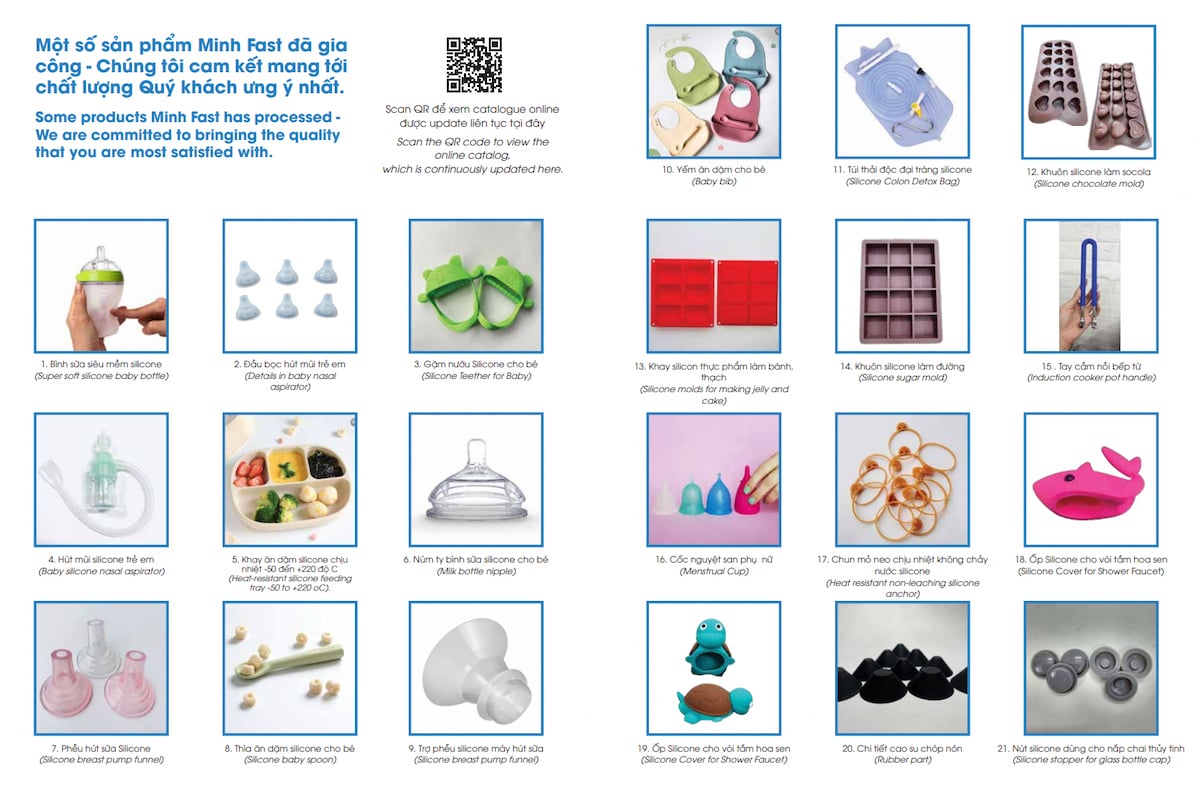
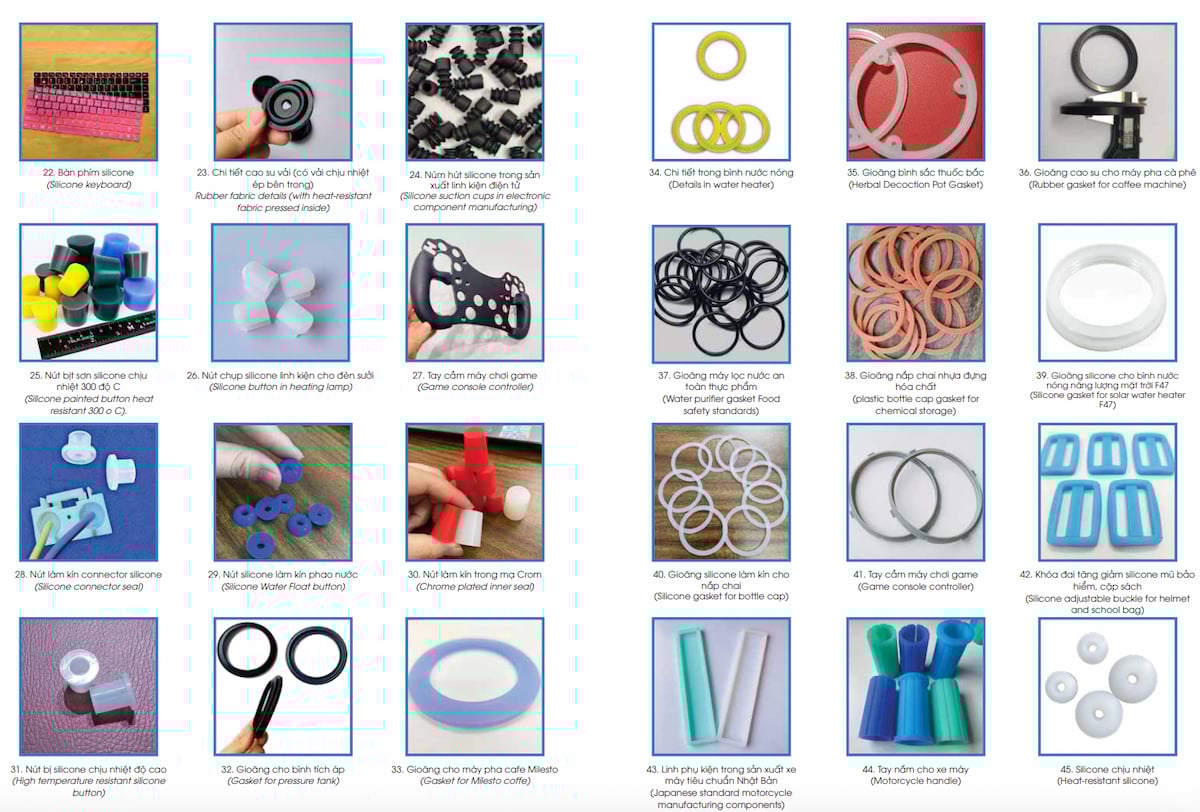
Product Catalog
Certification
Packaging & Shipping


MINH FAST COMPANY LIMITED
Head Office: No. 1/19 Luong Khanh Thien Street, Tuong Mai Ward, Hanoi, Vietnam
Phone / Zalo / WhatsApp: +84 8899 14599
Email: Thamsiliconetkv@gmail.com | Minhfastsales@gmail.com
YouTube: Minh Fast Silicone Channel