


Is silicone toxic to dogs? Custom Silicone Pet Products
- Is silicone toxic to dogs? Custom Silicone Pet Products
- Market Overview: The Rise of Silicone in Pet Products
- Safety First: Is Silicone Safe for Dogs?
- When Should You Use Pure Silicone in Pet Products?
- When Should You Custom Manufacture Silicone Pet Products?
- Choose Custom Manufacturing When:
- Unique Product Design is Required
- Functional Innovation is Needed
- Safety and Compliance Are Critical
- Market Differentiation
- Manufacturing Technologies for Pet Silicone Products
- Quality Control and Safety Standards
- Market Trends in Pet Silicone Products
- Custom Silicone Pet Product Solutions – Minh Fast - VIETNAM Silicone Rubber
- Core Capabilities
- Material Expertise
- Global Manufacturing Advantage
- Product Categories Supported
- Why Choose Minh Fast?
- Product Catalog
- Certification
- Packaging & Shipping
- MINH FAST COMPANY LIMITED
- Factory Location
Silicone in pet products is becoming increasingly popular thanks to its safety, flexibility, and durability, especially when food-grade silicone is used and manufactured under proper production standards. This article provides an in-depth analysis of silicone safety for dogs, explores the applications of silicone and silicone-PET materials in the pet care industry, and introduces customized silicone pet product manufacturing solutions.
Is silicone toxic to dogs? Custom Silicone Pet Products

The global pet care industry has evolved into a highly technical, design-driven sector where material selection directly impacts product safety, durability, and brand trust. Among the most widely used materials today is silicone—valued for its flexibility, safety profile, and adaptability across applications.
However, from a manufacturer’s perspective in the pet industry, silicone is not a one-size-fits-all solution. Key questions such as “is silicone toxic to dogs”, “is silicone bad for dogs”, and “is silicone poisonous to dogs” must be addressed with scientific accuracy and engineering insight. Additionally, advanced material combinations like silicone-PET structures are increasingly being adopted for performance optimization.
This article provides a deep technical and market-driven evaluation of silicone in pet products, including when to use silicone PET, when to manufacture custom silicone pet products, and how global suppliers like Minh Fast support scalable production.
Market Overview: The Rise of Silicone in Pet Products

The global pet product market is experiencing rapid growth due to:
-
Increased pet humanization
-
Demand for non-toxic, eco-friendly materials
-
Growth in premium and customized pet accessories
-
Expansion of e-commerce and global supply chains
Within this landscape, pet silicone products have gained strong traction across categories such as:
-
Feeding accessories (bowls, mats, slow feeders)
-
Grooming tools
-
Toys and chewables
-
Travel and portable pet gear
Silicone’s versatility allows manufacturers to design products that are both functional and aesthetically appealing.
Safety First: Is Silicone Safe for Dogs?
From a manufacturer’s standpoint, safety is the foundation of material selection.
Is Silicone Toxic to Dogs?
High-quality, food-grade silicone is non-toxic and chemically inert. It does not leach harmful substances under normal usage conditions. Therefore, the answer to “is silicone toxic to dogs” is:
No—provided the silicone is properly formulated and certified (e.g., FDA-grade or LFGB standard).
Is Silicone Bad for Dogs?
Silicone itself is not inherently harmful. However, risks arise when:
-
Low-quality fillers are used
-
Improper curing processes leave residual chemicals
-
Products are poorly designed (e.g., easily torn and ingested)
So, “is silicone bad for dogs” depends on manufacturing quality and design integrity, not the material itself.
Is Silicone Poisonous to Dogs?
Silicone is not poisonous. However:
-
If a dog ingests large pieces, it may cause physical blockage
-
Poor-quality silicone may contain contaminants
Thus, the correct answer to “is silicone poisonous to dogs” is:
No, but ingestion risks must be mitigated through proper product design and material standards.
When Should You Use Pure Silicone in Pet Products?

Silicone alone remains one of the most effective materials for pet products that require flexibility, safety, hygiene, and long-term durability. Compared to rigid plastics or lower-cost rubber materials, pure silicone offers superior softness, chemical stability, and resistance to temperature changes, making it highly suitable for modern pet care applications.
Another major advantage is that food-grade silicone is non-toxic, BPA-free, odor-resistant, and easy to clean, which is especially important for products that come into direct contact with pets’ mouths, food, or skin. Pure silicone also provides excellent flexibility and elasticity without cracking or becoming brittle over time.
Soft and Flexible Products
Pure silicone is ideal for products that require softness, comfort, and flexibility during daily use. Its elastic structure allows manufacturers to create pet accessories that are durable yet gentle for animals.
Common applications include:
-
Chew toys (with proper hardness control)
-
Grooming brushes
-
Collapsible bowls
-
Soft feeding mats
-
Flexible travel accessories
-
Pet bathing tools
For chew toys specifically, silicone hardness must be carefully engineered to balance durability and safety. A properly designed silicone chew toy can withstand repeated biting while minimizing the risk of breakage or sharp edges.
Food Contact Applications
Food-grade silicone is widely used in feeding-related products because it is chemically inert and resistant to moisture, oils, and bacteria buildup. Unlike some plastics, high-quality silicone does not easily degrade or release harmful substances under normal usage conditions.
Silicone is ideal for:
-
Feeding bowls
-
Lick mats
-
Food storage lids
-
Slow feeders
-
Pet treat molds
-
Water bowl bases
-
Anti-slip feeding mats
Its smooth surface also makes cleaning easier and helps reduce odor retention, making it a preferred material for hygienic pet feeding products.
High-Temperature Resistance
One of silicone’s strongest advantages is its excellent thermal stability. Pure silicone can withstand both high and low temperatures without losing flexibility or structural integrity.
This makes it highly suitable for:
-
Dishwasher-safe products
-
Sterilizable pet accessories
-
Microwave-safe feeding products
-
Freezer-safe food containers
-
Heat-resistant grooming accessories
For pet brands targeting premium markets, high-temperature resistance is a major selling point because consumers increasingly prefer products that are easy to sanitize and maintain for long-term use.
When Should You Custom Manufacture Silicone Pet Products?

Customization is becoming a key competitive advantage in the pet industry as consumer expectations continue to shift toward safer, more functional, and highly differentiated products. From a scientific and manufacturing perspective, custom silicone production allows brands to optimize material properties, structural performance, ergonomic behavior, and regulatory compliance based on the intended application.
Unlike generic plastic products, silicone can be engineered with highly controlled characteristics such as hardness (Shore A), elasticity, tensile strength, thermal resistance, surface texture, pigmentation, and chemical stability. This enables manufacturers to create pet products that are not only visually distinctive but also scientifically optimized for durability, hygiene, and animal interaction.
Choose Custom Manufacturing When:
Unique Product Design is Required
Custom silicone manufacturing is essential when brands require:
-
Brand-specific shapes and colors
-
Ergonomic features tailored to pet behavior
-
Custom textures and grip surfaces
-
Breed-specific product dimensions
-
Foldable or modular structures
From a behavioral science standpoint, ergonomic product design can significantly improve pet interaction and usability. For example:
-
Bowl geometry affects eating speed and posture
-
Surface texture influences chewing behavior
-
Flexible structures improve comfort during use
Silicone’s moldability allows highly complex geometries that are difficult to achieve with conventional plastics. Manufacturers can precisely control softness, curvature, and surface finish to improve both pet safety and user experience.
Functional Innovation is Needed
Custom manufacturing becomes particularly important when products require advanced functional performance or multi-material engineering.
Examples include:
-
Slow feeders with optimized patterns
-
Anti-spill feeding systems
-
Multi-layer silicone PET designs
-
Anti-slip feeding mats
-
Heat-resistant travel accessories
-
Smart pet product integration
Scientifically designed slow feeders can help reduce rapid eating behavior, lowering risks associated with bloating, regurgitation, and digestive stress in dogs. Pattern geometry, ridge spacing, and silicone flexibility all influence feeding efficiency and behavioral interaction.
In anti-spill systems, silicone’s high coefficient of friction improves surface grip and bowl stability, while its elastic recovery helps absorb impact and movement during feeding.
For premium applications, silicone-PET composite structures combine:
-
Silicone flexibility and safety
-
PET rigidity and dimensional stability
This hybrid approach improves:
-
Structural strength
-
Shape retention
-
Product lifespan
-
Mechanical durability under repeated stress
Safety and Compliance Are Critical
Custom manufacturing is often necessary when brands must meet strict international safety and regulatory standards.
Key requirements may include:
-
Food-grade certification
-
BPA-free, non-toxic validation
-
Export compliance (EU, US standards)
-
FDA compliance
-
LFGB certification
-
REACH and RoHS standards
From a materials science perspective, properly manufactured food-grade silicone is chemically inert, meaning it resists:
-
Chemical leaching
-
Microbial growth
-
Odor absorption
-
Thermal degradation
Custom manufacturing also allows better control over:
-
Curing chemistry
-
Pigment safety
-
Additive selection
-
Migration resistance
-
Mechanical integrity
This is especially important for products exposed to:
-
Repeated chewing
-
High temperatures
-
Moisture and oils
-
Dishwasher sterilization
-
Long-term food contact
Poor-quality silicone formulations or improper curing processes may leave volatile residues or reduce mechanical durability. Therefore, custom production with controlled quality assurance is essential for high-performance pet products.
Market Differentiation
In a highly saturated pet product market, custom silicone products help brands stand out through:
-
Unique visual identity
-
Premium tactile experience
-
Enhanced durability
-
Innovative functionality
-
Better user convenience
Modern consumers increasingly associate silicone products with:
-
Premium quality
-
Safety
-
Sustainability
-
Long-term usability
Custom branding options such as:
-
Molded logos
-
Custom color systems
-
Unique textures
-
Personalized packaging
-
Multi-functional product architecture
allow brands to create stronger emotional connections with pet owners while improving perceived product value.
From a commercial perspective, customization also supports:
-
OEM/ODM manufacturing strategies
-
Private label expansion
-
Higher profit margins
-
Better intellectual property protection
-
Faster market positioning in niche categories
As the pet industry continues evolving toward premiumization and scientifically designed products, custom silicone manufacturing is becoming not only a design choice but a strategic manufacturing advantage.
Manufacturing Technologies for Pet Silicone Products
From a production standpoint, the following processes are commonly used.
|
MANUFACTURING TECHNOLOGY |
FEATURES |
ADVANTAGES |
LIMITATIONS / REQUIREMENTS |
|
Compression Moulding |
Traditional molding process using compressed silicone material inside a heated mold |
• Cost-effective for simple designs • Suitable for medium-volume production • Lower tooling cost |
• Less suitable for highly complex geometries • Longer production cycle compared to LSR injection |
|
Injection Moulding (LSR) |
Liquid Silicone Rubber (LSR) injected into precision molds under controlled conditions |
• High precision and consistency • Ideal for complex geometries • Excellent repeatability • Cleanroom-compatible for food-grade products |
• Higher tooling and setup cost • Requires advanced machinery |
|
Overmoulding (Silicone + PET) |
Combines silicone with PET or other rigid materials into a single integrated product |
• Combines flexibility and structural strength • Enhances durability and product functionality • Suitable for premium multi-material products |
• Requires advanced bonding techniques • More complex manufacturing process • Higher production cost |
Quality Control and Safety Standards
Professional manufacturers must ensure:
|
QUALITY CONTROL CATEGORY |
REQUIREMENTS |
PURPOSE / BENEFITS |
|
Material Testing |
• Toxicity and migration testing • Mechanical strength (tear resistance) • Heat resistance |
Ensures silicone materials are safe, durable, chemically stable, and suitable for long-term pet product applications |
|
Certifications |
• FDA (food-grade compliance) • LFGB (European standard) • REACH and RoHS |
Confirms compliance with international safety, food-contact, and environmental regulations for global markets |
|
Design Safety |
• Avoid small detachable parts • Ensure durability against chewing • Optimize thickness and hardness |
Reduces ingestion risks, improves product lifespan, and enhances pet safety during daily use |
Market Trends in Pet Silicone Products
Premiumization
Consumers are willing to pay more for safe, durable, and well-designed products.
Eco-Friendly Materials
Silicone is favored due to its longevity and reduced environmental impact compared to plastics.
Smart Design Integration
-
Anti-slip features
-
Foldable travel products
-
Multi-functional designs
Custom Branding
Private label and OEM/ODM services are growing rapidly.
Custom Silicone Pet Product Solutions – Minh Fast - VIETNAM Silicone Rubber
For brands seeking high-quality, scalable production, Minh Fast provides a comprehensive solution.
Core Capabilities
-
Custom pet silicone product design
-
Silicone PET composite manufacturing
-
Injection and compression moulding
-
Rapid prototyping
Material Expertise
-
Food-grade silicone
-
BPA-free and non-toxic formulations
-
Custom hardness and color options
Global Manufacturing Advantage
Minh Fast supports:
-
Flexible MOQ (small to large production)
-
Competitive pricing
-
Fast lead times
-
Worldwide shipping
Product Categories Supported
-
Pet feeding accessories
-
Silicone toys and grooming tools
-
Travel and outdoor pet products
Why Choose Minh Fast?
-
Deep expertise in silicone material science
-
Strong quality control aligned with international standards
-
Customization tailored to pet industry requirements
-
Global service capability
Questions like “is silicone toxic to dogs,” “is silicone bad for dogs,” and “is silicone poisonous to dogs” highlight the importance of quality manufacturing and responsible design.
For brands aiming to develop innovative, safe, and high-performance pet products, working with an experienced global partner like Minh Fast can provide a significant competitive edge—delivering custom silicone solutions tailored to the evolving demands of the pet industry worldwide.
See more: Slow feeder / silicone pet slow-feeding bowl

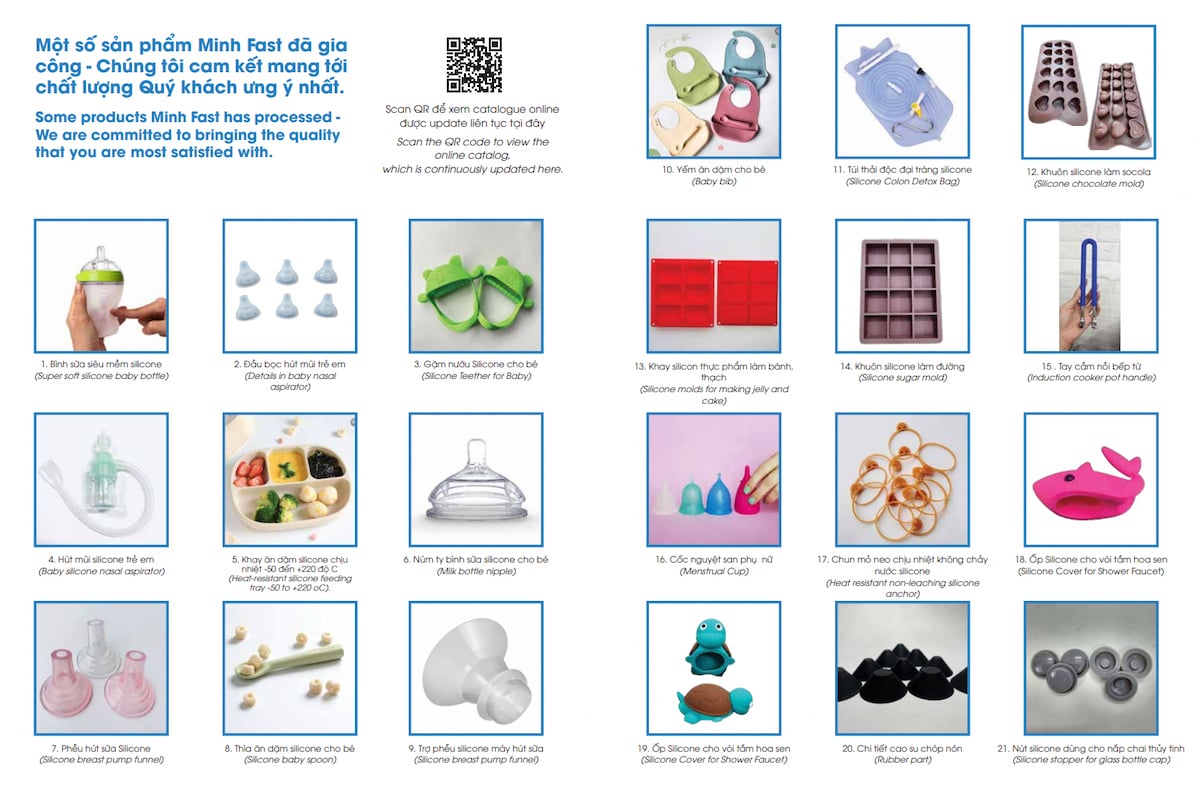
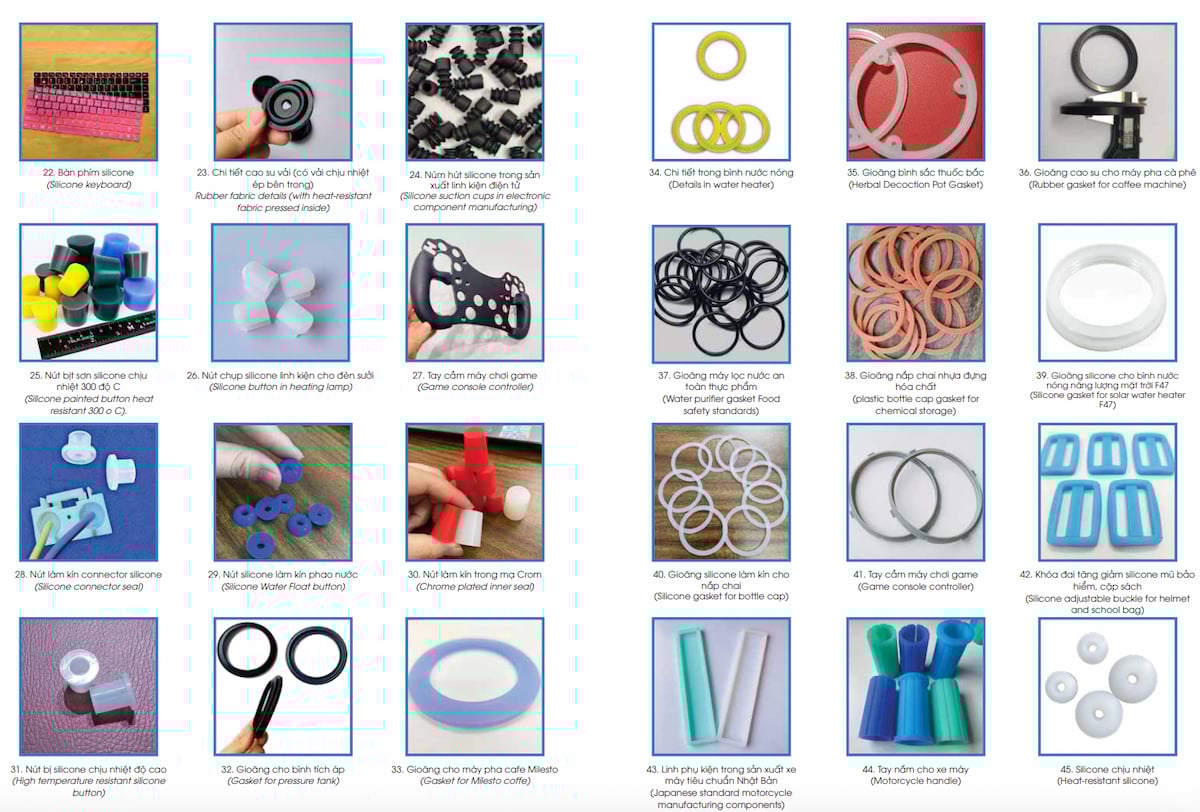
Product Catalog
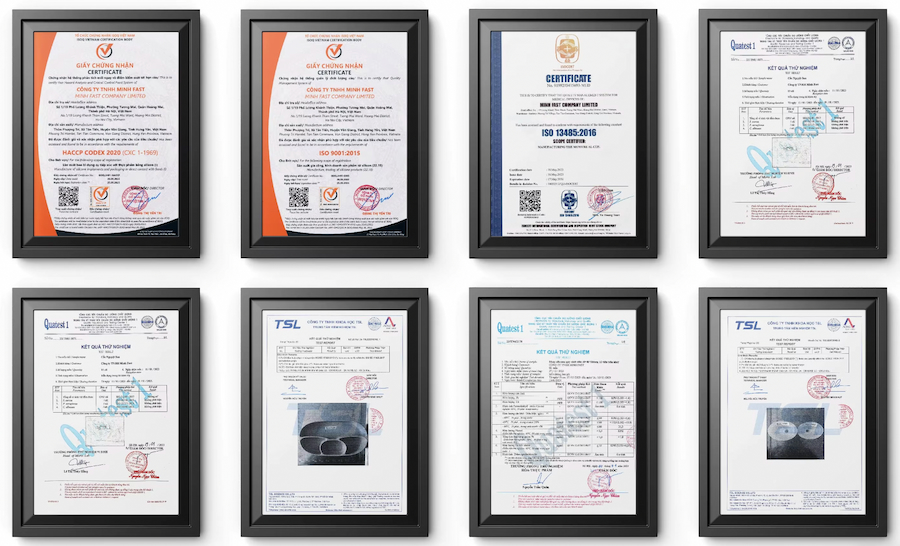
Certification
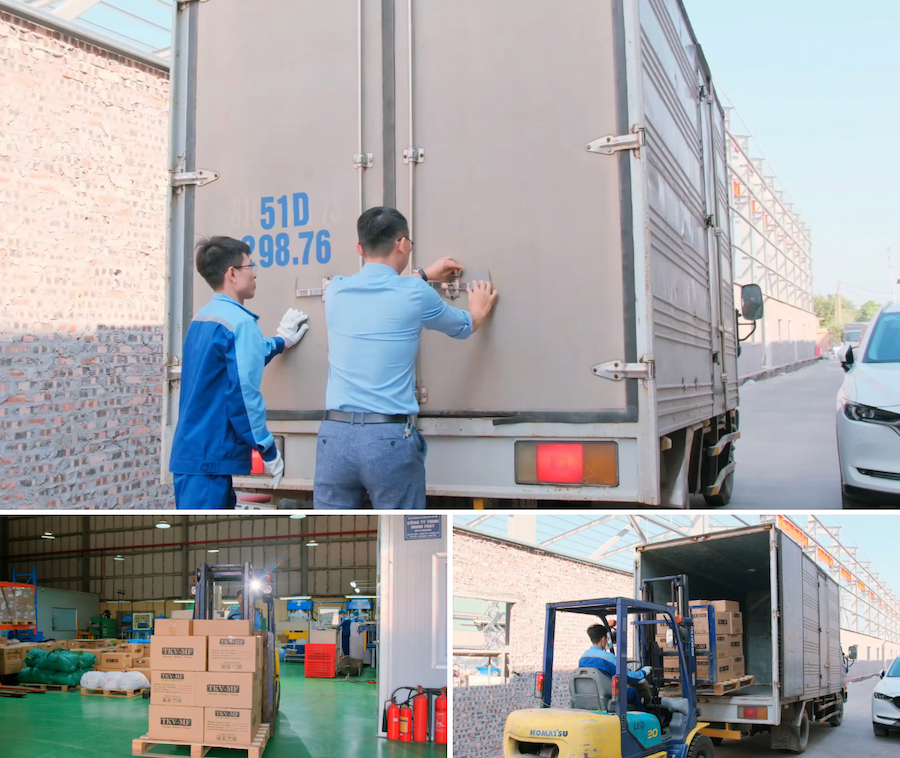
Packaging & Shipping

MINH FAST COMPANY LIMITED
Head Office: No. 1/19 Luong Khanh Thien Street, Tuong Mai Ward, Hanoi, Vietnam
Phone / Zalo / WhatsApp: +84 8899 14599
Email: Thamsiliconetkv@gmail.com | Minhfastsales@gmail.com
YouTube: Minh Fast Silicone Channel