


O Ring 30mm Silicone Rubber OEM Manufacturing
O-rings are one of the most essential sealing components used across industries such as automotive, hydraulics, food processing, and machinery. Among the most commonly requested sizes is the o ring 30 mm, widely used for medium-scale sealing applications.
In this comprehensive guide, we will explore everything you need to know about O-rings—from materials and standard sizes to applications, quality standards, and OEM manufacturing. Whether you are looking for a 30mm rubber o ring or a customized sealing solution, this article will help you make the right decision.
What Is an O-Ring?

An O-ring is a circular elastomer seal designed to prevent leakage between two mating surfaces. It works by being compressed in a groove, creating a tight seal that blocks fluids or gases.
O-rings are widely used because they are:
-
Simple in design
-
Cost-effective
-
Highly reliable under pressure
-
Easy to install and replace
Sizes like rubber o ring 30mm are commonly used in pumps, valves, connectors, and mechanical assemblies.
Common Sizes: O Ring 30mm and Variants

When selecting an O-ring, size is critical. The most common specification includes inner diameter (ID) and cross-section (CS).
For example:
-
o ring 30mm x 2mm → 30mm inner diameter, 2mm thickness
-
o ring 30mm x 3mm → 30mm inner diameter, 3mm thickness
These variations determine how tightly the O-ring fits and how well it seals under pressure.
Popular Variants:
-
o ring 30mm (general reference size)
-
o ring 30 mm (alternative keyword format)
-
30mm rubber o ring (material-specific search)
Each variation serves different applications depending on pressure, temperature, and sealing requirements.
Standard & Non-Standard O-Ring Size Table (Reference)
Below is a reference table of international O-ring standards and cross-section sizes:
|
Standard |
Cross Section (mm) |
Notes |
|
AS568 (USA) |
1.78 · 2.62 · 3.53 · 5.33 · 6.99 |
Most common global standard |
|
BS1516 (UK) |
1.90 · 2.40 · 3.10 · 3.50 · 5.70 |
Widely used in industry |
|
JIS B 2401 (Japan) |
1.90 · 2.40 · 3.10 · 3.50 · 5.70 |
Compatible with Asian equipment |
|
ISO 3601/1 (International) |
1.80 · 2.65 · 3.55 · 5.30 · 7.00 |
Global standard |
|
DIN 3771/1 (Germany) |
According to DIN |
Custom manufacturing available |
|
GB 3452.1 (China) |
According to GB |
Custom manufacturing available |
|
Metric System |
0.50 → 20.00 mm |
Full range of sizes |
Inner Diameter Range:
-
From 0.3 mm to 1500 mm
-
For ID > 1500 mm, custom manufacturing is required
Non-Standard Sizes:
-
Thousands of custom sizes available
-
Can be produced based on drawings or samples
This flexibility allows manufacturers to produce precise sizes like o ring 30mm x 2mm or custom-engineered sealing solutions.
O-Ring Materials: Choosing the Right One

Material selection is critical for performance and durability.
1. NBR (Nitrile Rubber)
-
Excellent oil resistance
-
Cost-effective
-
Suitable for automotive and hydraulic systems
2. Silicone (VMQ)
-
High temperature resistance (-60°C to 230°C)
-
Food-grade and medical applications
-
Ideal for baking and food processing
3. EPDM
-
Excellent weather and ozone resistance
-
Suitable for water and steam applications
4. FKM (Viton)
-
High chemical and heat resistance
-
Used in aggressive environments
5. HNBR
-
Enhanced strength and durability
-
Used in high-performance industrial systems
For applications involving rubber o ring 30mm, the choice of material directly impacts sealing efficiency and lifespan.
Applications of 30mm O-Rings
O-rings with a 30mm diameter are widely used across industries:
Industrial Applications:
-
Hydraulic systems
-
Pneumatic equipment
-
Pumps and valves
Automotive:
-
Fuel systems
-
Engine sealing
-
Cooling systems
Food & Medical:
-
Food-grade sealing systems
-
Medical devices
-
Pharmaceutical equipment
Consumer Products:
-
Water filters
-
Household appliances
-
DIY equipment
A properly selected 30mm rubber o ring ensures leak-proof performance in all these applications.
Quality Standards for O-Rings

To ensure reliability, O-rings must meet international quality standards:
Key Standards:
-
ISO 3601 – Dimensional and quality requirements
-
ASTM D2000 – Material classification
-
FDA compliance – Food-grade safety
-
RoHS – Environmental safety
Testing Parameters:
-
Hardness (Shore A)
-
Tensile strength
-
Compression set
-
Temperature resistance
High-quality silicone or rubber o ring 30mm products should always come with proper certifications and test reports.
How to Choose the Right O-Ring
Selecting the right O-ring involves several technical considerations:
1. Size Accuracy
Accurate sizing is the foundation of effective sealing. Even a small deviation can lead to leakage or premature failure.
-
Inner Diameter (ID): Must match the groove or shaft size precisely
-
Cross-section (CS): Determines compression level and sealing force
-
Example: choosing between o ring 30mm x 3mm and thinner variants depends on groove depth and pressure requirements
Engineering tip:
-
Ideal compression is typically 15–30% of the cross-section
-
Too much compression → accelerated wear
-
Too little compression → leakage risk
2. Material Compatibility
Material selection directly impacts performance, durability, and safety. You should evaluate:
Temperature range:
-
Silicone: high temperature resistance
-
NBR: moderate temperature, oil resistance
Chemical exposure:
-
FKM (Viton): strong chemical resistance
-
EPDM: excellent for water and steam
Pressure conditions:
High-pressure systems may require harder compounds (higher Shore A)
Engineering tip: Always check compatibility charts to ensure the material won’t degrade when exposed to specific fluids or environments.
3. Application Type
Understanding how the O-ring will function is critical.
Static sealing:
-
No relative movement between surfaces
-
Lower wear, easier design
-
Common in flanges and covers
Dynamic sealing:
-
Movement involved (rotating or reciprocating)
-
Requires better wear resistance and lubrication
-
More complex design considerations
Engineering tip: Dynamic applications often require tighter tolerances and higher-quality materials to reduce friction and extend lifespan.
4. Groove Design
The groove (gland) design is just as important as the O-ring itself.
Key parameters include:
-
Groove width and depth
-
Surface finish
-
Compression ratio
-
Clearance gaps
A properly designed groove ensures:
-
Even pressure distribution
-
Reduced extrusion risk
-
Longer sealing life
Engineering tip: Follow standards like ISO 3601 for groove design to avoid common sealing failures.
5. Certification Requirements
For regulated industries, compliance is mandatory.
-
FDA (Food & Beverage): Ensures safe contact with food
-
LFGB (Europe): Stricter food-grade standard
-
USP Class VI (Medical): Required for healthcare applications
-
RoHS / REACH: Environmental compliance
Engineering tip: Always request documentation such as TDS (Technical Data Sheet) and MSDS (Material Safety Data Sheet) from suppliers.
OEM Manufacturing Process for O-Rings
For businesses requiring custom solutions, OEM manufacturing is the best approach.
Step-by-Step Process:
-
Requirement Analysis
-
Size (e.g., o ring 30 mm)
-
Material
-
Application
-
-
Design & Engineering
-
CAD drawings
-
Tolerance optimization
-
-
Tooling & Mold Development
-
Precision mold fabrication
-
-
Material Compounding
-
Custom formulation for performance
-
-
Production (Molding)
-
Compression or injection molding
-
-
Post-Processing
-
Trimming, curing, finishing
-
-
Quality Inspection
-
Dimensional and performance testing
-
-
Packaging & Export
OEM production ensures that even non-standard sizes are manufactured with high precision.
Why Custom O-Rings Matter
Standard sizes like o ring 30mm are widely available, but custom solutions provide:
-
Better sealing performance
-
Reduced leakage risk
-
Longer product lifespan
-
Compatibility with unique equipment
This is especially important for industrial and high-performance applications.
MINH FAST – Trusted OEM O-Ring Silicone Manufacturer (Vietnam)
For businesses seeking reliable OEM solutions, MINH FAST is a leading manufacturer specializing in silicone and rubber O-rings for global markets.
Website: https://vietnamsiliconerubber.com/
Why Choose MINH FAST?
-
Expertise in custom O-ring manufacturing
-
Production of sizes like o ring 30mm x 2mm, o ring 30mm x 3mm, and more
-
Wide material selection: silicone (VMQ)
-
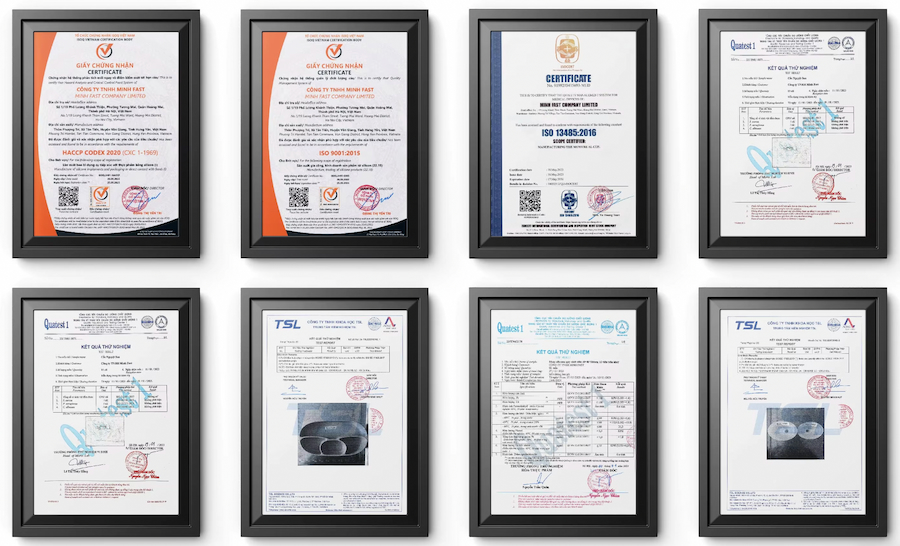
International quality standards (FDA, ISO, RoHS)
-
Competitive pricing and fast lead times
Product Capabilities:
-
Standard and custom O-rings
-
Food-grade silicone seals
-
Industrial rubber components
-
High-performance sealing solutions
The o ring 30mm is a versatile and widely used sealing component across multiple industries. Whether you need a standard 30mm rubber o ring or a customized solution like o ring 30mm x 2mm or o ring 30mm x 3mm, understanding materials, standards, and manufacturing processes is essential.
By choosing the right supplier and ensuring compliance with international standards, you can achieve optimal sealing performance and long-term reliability.
For businesses looking to scale production or develop custom sealing solutions, partnering with an experienced OEM manufacturer like MINH FAST ensures quality, flexibility, and global delivery capabilities.
If you're sourcing silicone or rubber o ring 30mm, now is the perfect time to explore high-quality OEM solutions tailored to your exact requirements.
See more: Round Silicone Gasket – Silicone O-Ring

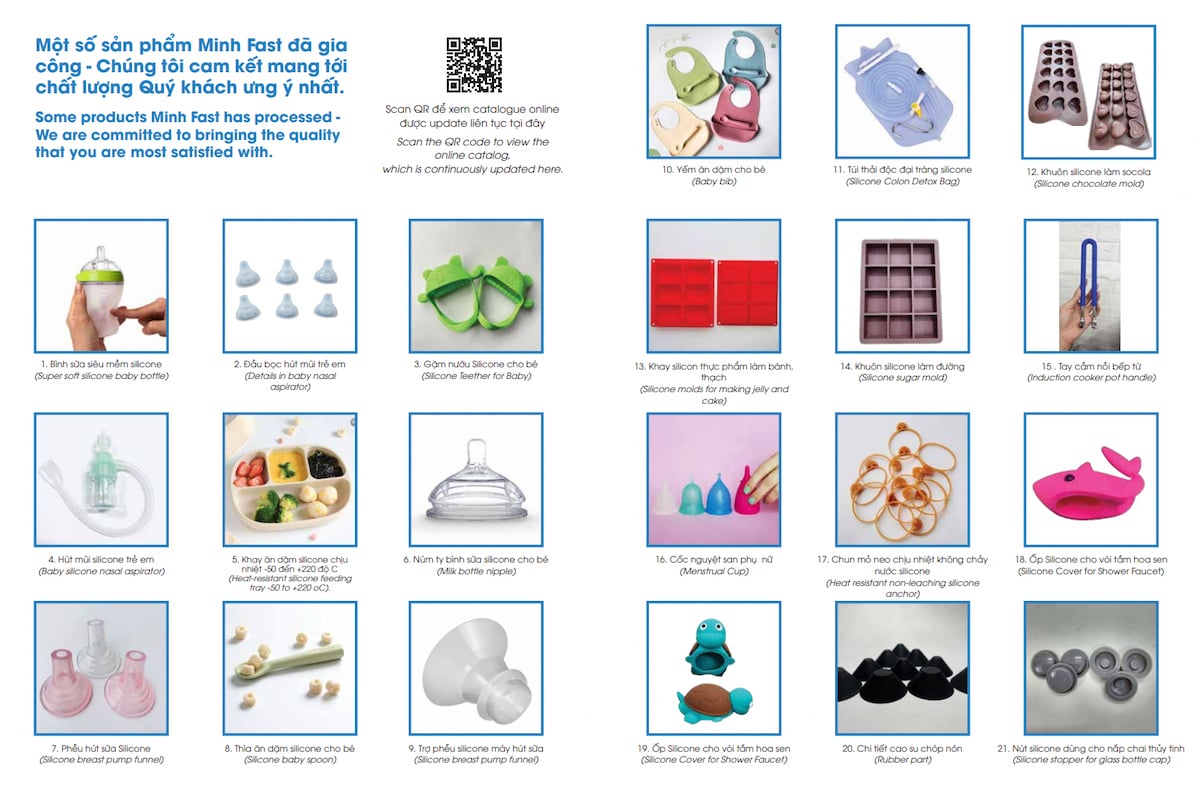
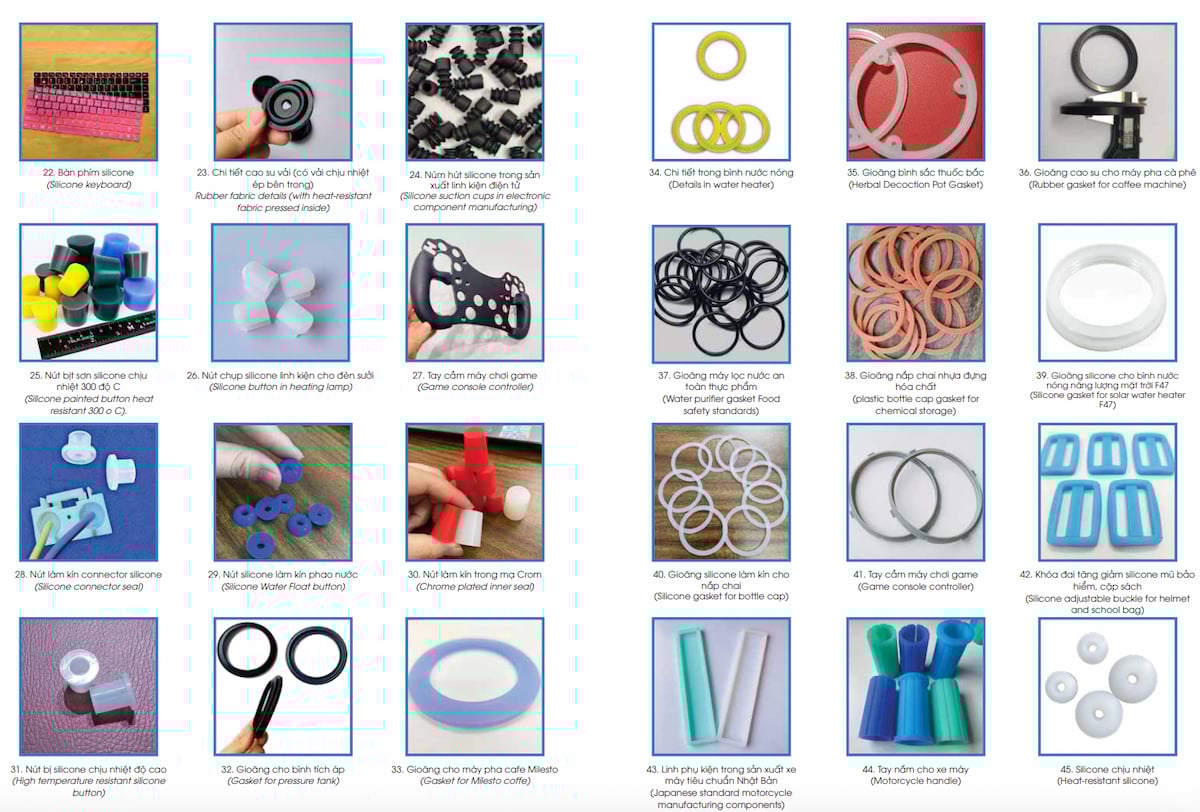
Product Catalog
Certification
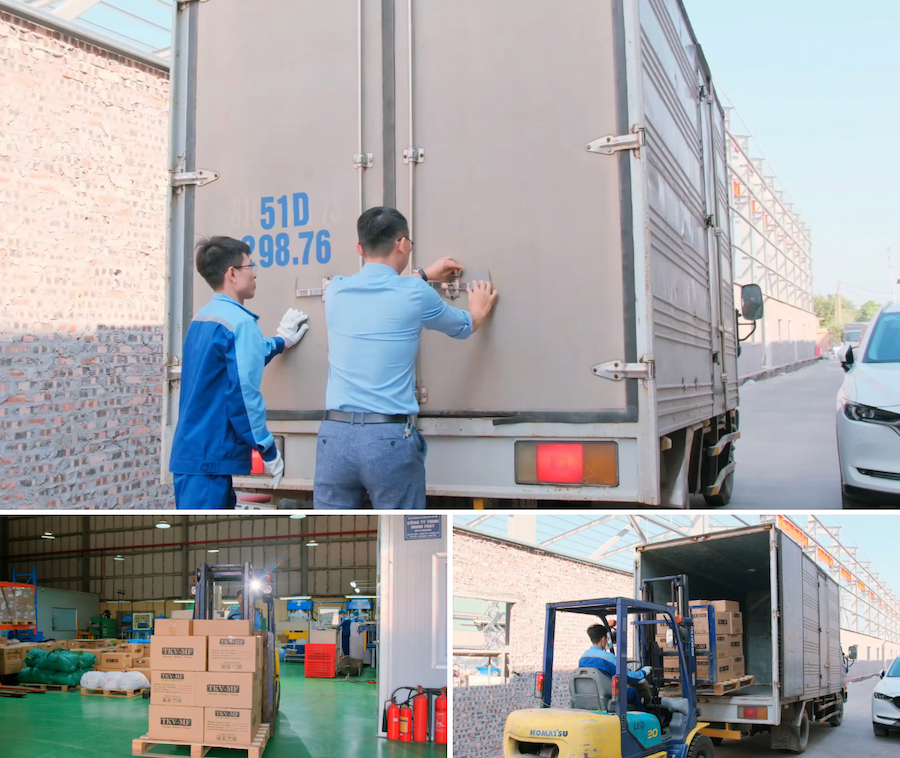
Packaging & Shipping

MINH FAST COMPANY LIMITED
Head Office: No. 1/19 Luong Khanh Thien Street, Tuong Mai Ward, Hanoi, Vietnam
Phone / Zalo / WhatsApp: +84 8899 14599
Email: Thamsiliconetkv@gmail.com | Minhfastsales@gmail.com
YouTube: Minh Fast Silicone Channel