


Top Pets Toy Manufacturers and Brands Around the World
- What Is a Pet Toys Manufacturer?
- Pet toys factory
- Pet toys manufacturer
- Pet toys wholesale suppliers
- Pet toys supplier / cat toys wholesale suppliers
- Top Pet Toy Manufacturers and Brands Around the World
- MINH FAST Co., LTD - VIETNAMSILICONERUBBER.COM
- 2. Nylabone (Central Garden & Pet Company) — United States
- 3. Outward Hound (The Kyjen Company) — United States
- 4. Jolly Pets — United States
- 5. Zanies (Boss Pet Products / PetEdge) — United States
- 6. Allstar Innovations — United States
- 7. The KONG Company — United States
- 8. China-based silicone pet toy OEM factories (e.g., CASINDA, Guangdong)
- Popular Silicone Pet Toys on the Market Today
- Silicone lick mats and slow feeder mats
- Silicone chew toys and teething toys
- Silicone treat-dispensing balls and puzzle toys
- Silicone collapsible bowls and travel feeders
- Silicone cat toys
- Silicone pet mats and food can lids
- Criteria for Choosing a Pet Toys Manufacturer Worldwide
- Material safety documentation
- In-house tooling and mold ownership
- Testing and certification capability
- Production capacity and equipment
- MOQ, sampling process, and lead time transparency
- Track record with pet-specific products
- Export and documentation experience
- Regional Differences: US, EU, Canada, and China
- Technical Specifications for Manufacturing Silicone Pet Toys
- Material grade
- Hardness (Shore A durometer)
- Tensile strength and elongation
- Wall thickness and mold tolerance
- Colorant and Pantone matching
- Surface finish and texture
- Odor and taste-neutral formulation
- Chemical migration and heavy metal testing
- Notes When Placing OEM/ODM Orders for Custom Silicone Pet Toys
- Start with a clear technical brief
- Budget for mold cost separately from unit price
- Confirm sample rounds before committing to mass production
- Clarify MOQ tiers by SKU, not just by order value
- Request documentation upfront
- Discuss packaging and labeling requirements early
- Plan lead times around both mold development and mass production
- Ask about ownership of tooling
- Custom Silicone Pet Toys OEM/ODM at Minh Fast
- Product Catalog
- Certification
- Packaging & Shipping
- MINH FAST COMPANY LIMITED
- Factory Location
The global pet care industry has turned "playtime" into a serious business category. Behind every squeaky ball, lick mat, or chew toy on a pet store shelf sits a supply chain of pet toys manufacturers, pet toys wholesale suppliers, and factories that design, mold, test, and ship products by the millions.
For brand owners, importers, and retailers, understanding how this supply chain works — and which pet toys supplier actually fits their product, budget, and target market — is the difference between a smooth product launch and a costly recall.
What Is a Pet Toys Manufacturer?
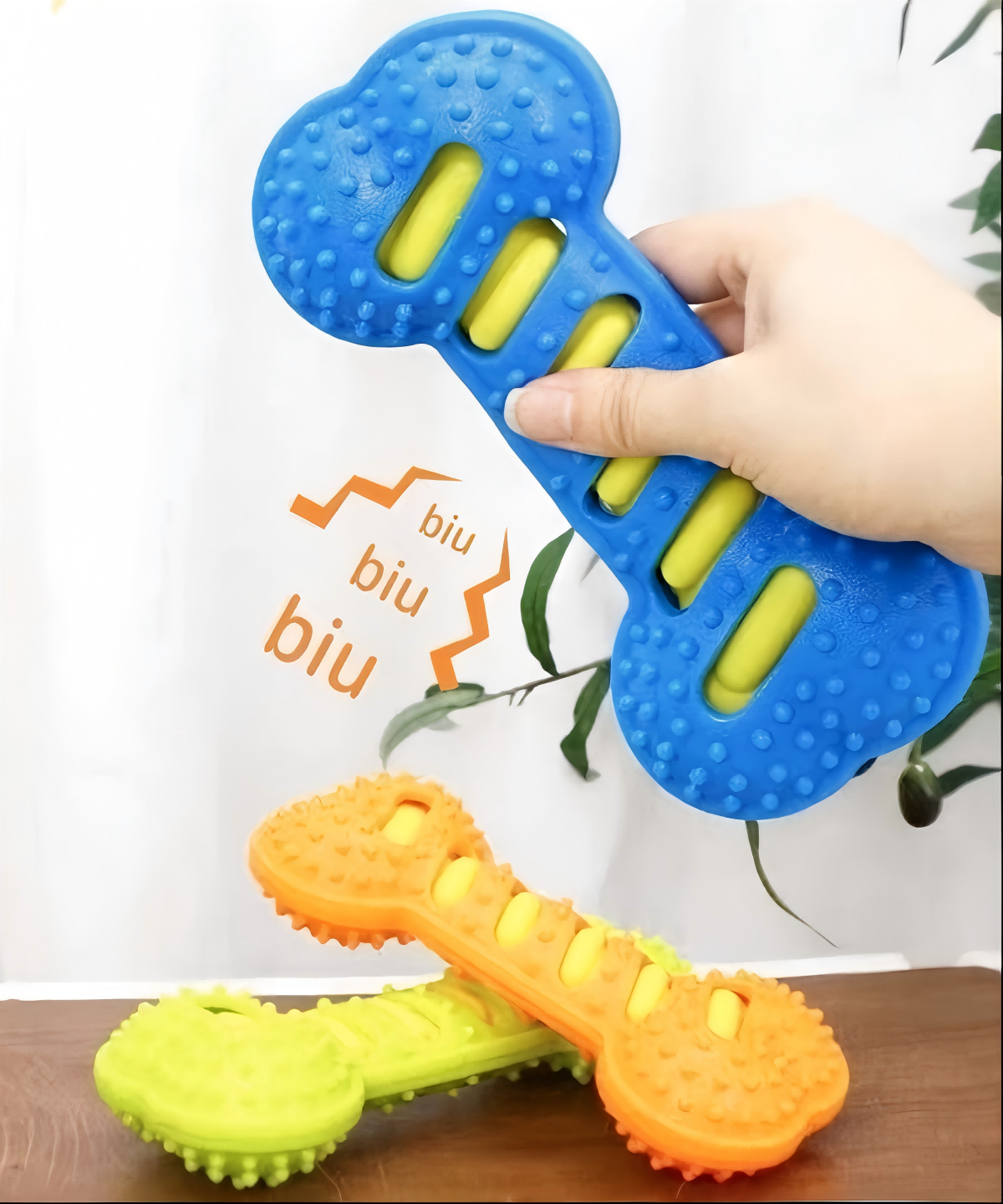
A pet toys manufacturer is a company that owns or operates the production capability — molding equipment, tooling, raw material sourcing, and quality control — needed to physically make dog and cat toys, as opposed to a company that simply designs, brands, and resells them. In practice, the pet toy supply chain has a few distinct roles that are worth separating:
Pet toys factory
The physical production site: injection molding, compression molding, or liquid silicone injection lines, tooling workshops, and finishing/packaging areas. A factory may manufacture only for its own branded products, or it may run OEM/ODM programs for outside brands.
Pet toys manufacturer
The company that owns the factory (or subcontracts to one) and takes responsibility for product design, material selection, and compliance. Well-known consumer brands like Nylabone or KONG are manufacturers in this sense, even though day-to-day production may happen across several owned or partner facilities.
Pet toys wholesale suppliers
Companies that buy finished toys in bulk (either from their own factory or from third-party manufacturers) and resell them to retailers, distributors, or e-commerce sellers, typically without offering custom mold development.
Pet toys supplier / cat toys wholesale suppliers
A broader term covering anyone providing finished or semi-finished toy products to a buyer, whether or not they manufacture in-house. This includes trading companies, sourcing agents, and private-label suppliers who focus specifically on cat toy categories such as wand toys, catnip mice, and interactive balls.
Understanding which of these roles a company actually plays matters enormously when negotiating MOQs, pricing, and customization rights — a wholesale supplier reselling generic stock items cannot offer the same mold ownership or design flexibility as a true manufacturer with in-house tooling.
Top Pet Toy Manufacturers and Brands Around the World
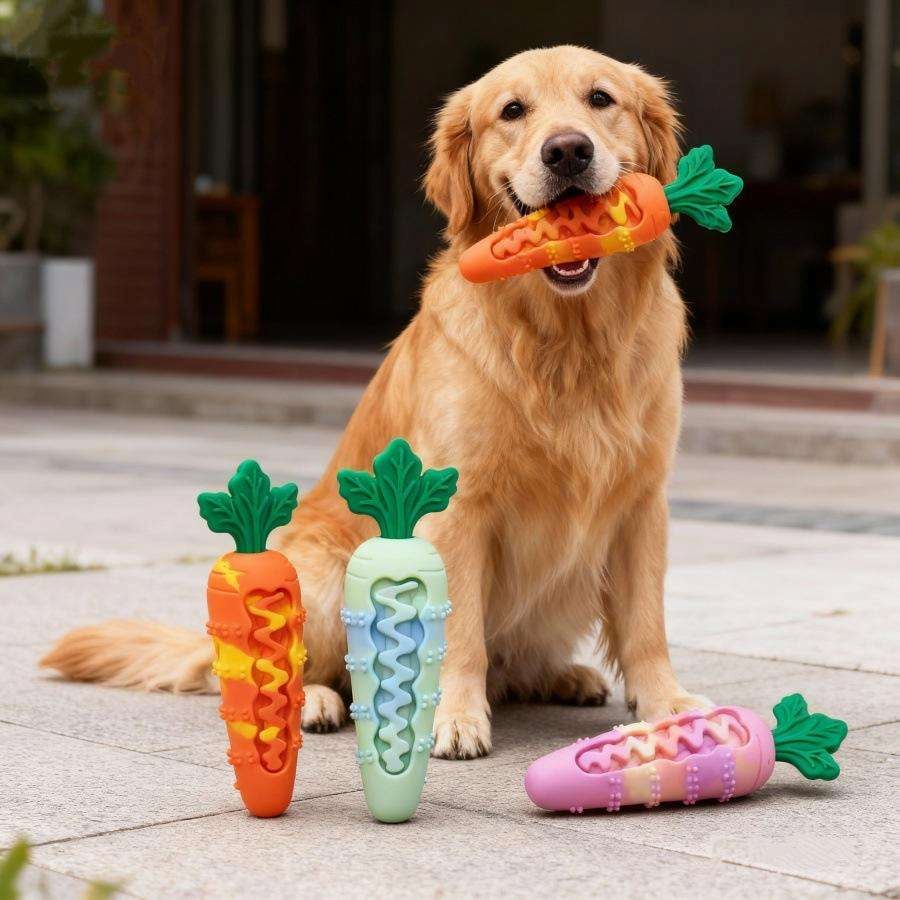
The following companies represent some of the best-known names across the pet toy manufacturing landscape, spanning both established Western brands and the OEM factories that increasingly supply the global wholesale market.
-
MINH FAST Co., LTD - VIETNAMSILICONERUBBER.COM
MINH FAST focuses on custom silicone molding solutions including compression molding, silicone tooling development, and production of food-grade, industrial-grade, and medical-related silicone components. Public information indicates experience supporting prototyping, small production runs, and large-scale manufacturing projects for export markets.
While MINH FAST is not positioned as a specialist silicone bib manufacturer, its manufacturing capabilities in custom silicone molding and OEM production may make it a potential partner for brands seeking to develop private-label silicone bibs, pet products, feeding accessories, or other silicone consumer goods as part of a diversified sourcing strategy outside China.
2. Nylabone (Central Garden & Pet Company) — United States
Founded in 1955 and headquartered in Neptune City, New Jersey, Nylabone is one of the longest-running names in dog chew toys, chew treats, and dental play products, now operating as a subsidiary of Central Garden & Pet Company. As a long-established Nylabone manufacturer, the brand is widely recognized for durable nylon and rubber-based chew shapes sold through mainstream pet retail worldwide.
Website: nylabone.com.
3. Outward Hound (The Kyjen Company) — United States
Based in the Denver/Centennial, Colorado area and originally founded as Kyjen before rebranding to Outward Hound, this company designs interactive dog toys, treat puzzles, and feeding solutions, with most of its toy lines produced through manufacturing partners in China. As an established Outward Hound manufacturer, the brand also owns Petstages, Planet Dog, and Nina Ottosson puzzle toys.
Website: outwardhound.com.
4. Jolly Pets — United States
Headquartered in Streetsboro, Ohio, Jolly Pets began in 1994 as a spin-off of Horsemen's Pride, which originally made the Jolly Ball for horses before adapting the concept for dogs. As the original Jolly Ball manufacturer, the company remains known for durable, made-in-the-USA rubber balls designed to withstand heavy chewing.
Website: jollypets.com.
5. Zanies (Boss Pet Products / PetEdge) — United States
Zanies is a long-running pet toy brand distributed through PetEdge and Boss PetEdge, offering a wide catalog of plush toys, latex balls, rope toys, and cat toys aimed largely at groomers and pet specialty retailers. As a recognized Zanies pet toys manufacturer brand, the line spans well over a hundred SKUs across dog and cat categories.
Website: petedge.com/brands/zanies.
6. Allstar Innovations — United States
The company behind the widely marketed "As Seen on TV" product, Allstar Innovations (also referenced as Allstar Marketing) is the listed Wobble Wag Giggle Ball manufacturer, producing the vinyl treat-dispensing ball known for its internal noise-making tubes and clutch-pocket design sold through Amazon, Walmart, and mass retail.
Website: wobblewag.com.
7. The KONG Company — United States
Founded in 1976 and headquartered in Golden, Colorado, KONG is widely regarded as one of the most recognizable dog toy manufacturers in the world, built around the original rubber Classic KONG chew shape and now spanning rope toys, balls, and cat products distributed in more than 80 countries.
Website: kongcompany.com
8. China-based silicone pet toy OEM factories (e.g., CASINDA, Guangdong)
Alongside branded companies, a large share of the global wholesale market is supplied by dedicated pet toys factory operations in China's Guangdong province, offering compression molding, liquid silicone injection, and multi-color production for private-label brands. These factories typically emphasize FDA, LFGB, REACH, and ISO 9001 certifications and serve as a primary sourcing channel for retailers and Amazon sellers building private-label silicone pet toy lines.
When evaluating any of the companies above as a potential sourcing partner rather than simply a retail brand to benchmark against, always verify current certifications, MOQs, and OEM availability directly, since production capacity and OEM policies change over time.
Website: https://www.kingsihk.com/
Popular Silicone Pet Toys on the Market Today
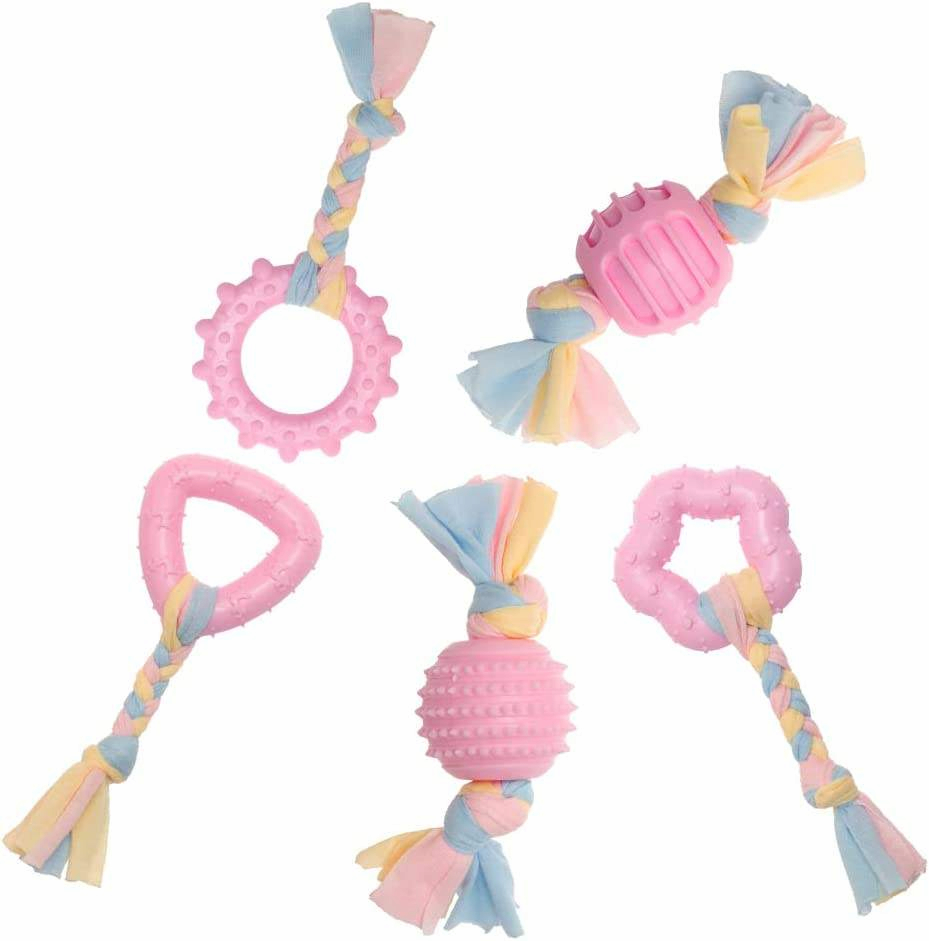
Silicone has become one of the fastest-growing materials in the pet toy category, gradually taking share from rubber, vinyl, and PVC in several product lines. The most common silicone pet toy formats currently in demand include:
Silicone lick mats and slow feeder mats
Textured mats with raised ridges or suction patterns that pet owners spread with wet food, peanut butter, or purée to slow down eating and provide licking enrichment.
Silicone chew toys and teething toys
Solid or hollow silicone shapes designed for puppies and adult dogs, often with textured surfaces for light dental cleaning.
Silicone treat-dispensing balls and puzzle toys
Hollow balls or geometric shapes with internal chambers that release kibble or treats as the pet plays.
Silicone collapsible bowls and travel feeders
Foldable silicone bowls that double as portable feeding accessories, often bundled with toy lines.
Silicone cat toys
Including squishy balls, teething sticks for kittens, and textured scratch-resistant play shapes.
Silicone pet mats and food can lids
Not strictly "toys," but frequently produced on the same lines and sold through the same wholesale channels as silicone pet enrichment products.
Compared to rubber and vinyl, silicone is prized for being non-porous (which limits bacterial growth), easy to color-match to a brand's Pantone palette, and simple to mold into complex textured surfaces — all of which explains why more toy brands are shifting at least part of their line toward silicone construction.
Criteria for Choosing a Pet Toys Manufacturer Worldwide
Whether you're vetting a large factory in China, a mid-size supplier in Vietnam, or a boutique manufacturer in the US, the same core evaluation criteria apply:
-
Material safety documentation
Food-grade or FDA-grade silicone certification, LFGB compliance (for products likely to see EU distribution), and BPA/phthalate-free confirmation with supporting lab reports, not just marketing claims.
-
In-house tooling and mold ownership
Factories with their own mold-making department can iterate designs faster and give buyers clearer terms on who owns the mold at the end of a project.
-
Testing and certification capability
The ability to coordinate or perform REACH, EN 71, ASTM-referenced, or GB 6675-aligned testing, since pet toys largely fall outside dedicated pet-specific regulation and buyers must lean on adjacent toy and consumer-product standards.
-
Production capacity and equipment
Compression molding, liquid silicone injection (LSR), and extrusion lines suited to your product shape; automated lines matter for consistency at scale.
-
MOQ, sampling process, and lead time transparency
A trustworthy pet toys supplier will give a clear sample turnaround, MOQ tiers, and realistic lead times rather than vague promises.
-
Track record with pet-specific products
General silicone kitchenware or industrial rubber factories don't always understand pet-specific durability and chew-resistance requirements; look for suppliers with actual pet product references.
-
Export and documentation experience
Certificates of Origin, Certificates of Analysis, and familiarity with customs paperwork for your target country meaningfully reduce shipment delays.
Regional Differences: US, EU, Canada, and China
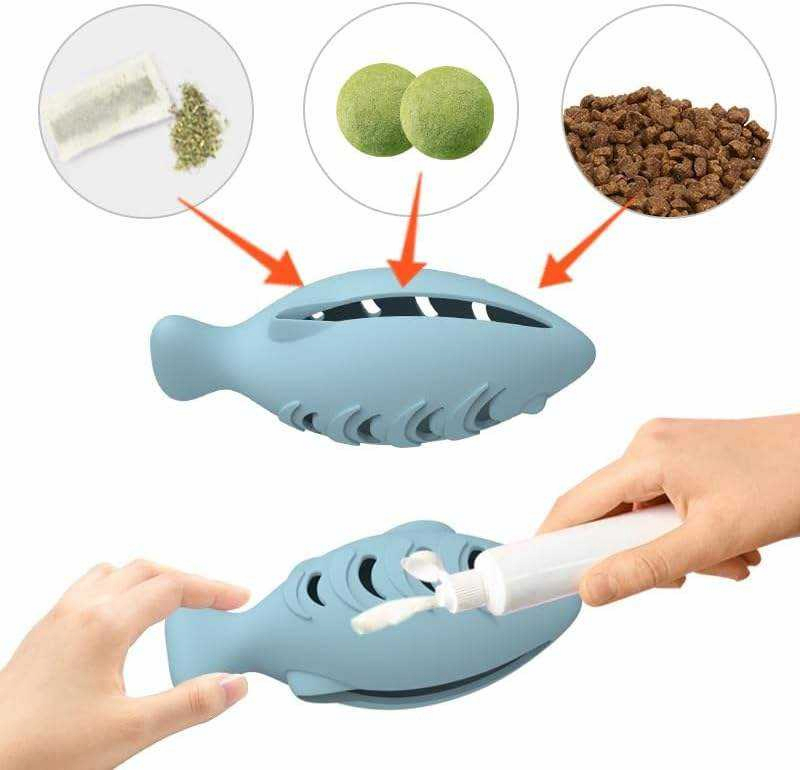
Even though most countries lack a dedicated "pet toy law," each major market applies a different mix of adjacent regulations and market expectations, and manufacturers need to design toward the strictest applicable bar rather than the loosest one.
United States
There is no CPSC standard written specifically for pet toys, but the agency retains broad authority to act against unsafe consumer products, and many major retailers — including large pet specialty chains — informally require compliance with children's toy chemical limits under ASTM F963 and CPSIA lead restrictions, even though pet toys aren't legally classified as children's products. ASTM's F15.05 subcommittee has been developing the first dedicated dog toy safety standards, signalling that a formal pet-specific standard is likely to arrive over the next few years. Products with loose or separable magnets must additionally meet 16 CFR Part 1262.
European Union
The EU Toy Safety Directive (and its 2025/2509 successor, phasing in through 2030) technically applies only to products intended for children, so pet toys fall outside its mandatory scope. In practice, though, REACH chemical restrictions on heavy metals, phthalates, and azo dyes apply to pet toys as ordinary consumer articles, and many buyers still request voluntary EN 71-1/2/3 testing as a de facto quality benchmark, particularly for mechanical safety and chemical migration.
Canada
Canadian buyers should expect unique phthalate restrictions distinct from both the US and EU lists, plus mandatory bilingual (English/French) labeling requirements for retail packaging — a detail that trips up many first-time exporters shipping the same packaging used for the US market.
China
Toys sold domestically in China must meet the mandatory GB 6675 series national toy safety standard and, where in scope, obtain China Compulsory Certification (CCC) before sale. For export-oriented Chinese factories, however, compliance is typically driven by the destination market's requirements (REACH, ASTM references, LFGB) rather than GB 6675 alone, since GB 6675 governs domestic sale rather than the export shipment itself.
The practical takeaway for buyers: request test reports aligned to your actual sales markets, not just a generic "safety certified" claim, and confirm your supplier understands the labeling and documentation quirks of each destination country.
Technical Specifications for Manufacturing Silicone Pet Toys
Turning a design concept into a mass-produced silicone pet toy involves a specific set of technical parameters that a competent factory should be able to discuss in detail:
Material grade
100% Platinum-cured or peroxide-cured food-grade silicone, free of fillers that reduce chew resistance; medical-grade or FDA 21 CFR 177.2600-compliant compounds for products likely to see prolonged mouth contact.
Hardness (Shore A durometer)
Typically ranging from around 35 to 80 Shore A depending on whether the toy is a soft lick mat surface or a firmer chew toy; higher durometer generally means better bite resistance but less flexibility.
Tensile strength and elongation
Important for chew toys and pull toys subjected to repeated stress; factories should be able to share tear-strength data from internal or third-party testing.
Wall thickness and mold tolerance
Thin-wall silicone parts (such as collapsible bowls) require tighter tolerance control than solid chew shapes to avoid weak points.
Colorant and Pantone matching
Food-grade pigments dispersed evenly through liquid silicone injection molding, with migration testing to confirm color doesn't leach during chewing or soaking.
Surface finish and texture
Embossed ridges, suction-cup bases (for lick mats), or debossed logos, all of which are built into the mold rather than added afterward.
Odor and taste-neutral formulation
Since pets rely heavily on smell and taste, low-odor silicone compounds are preferred over cheaper grades that retain a chemical smell after curing.
Chemical migration and heavy metal testing
Typically referencing REACH restricted substances and EN 71-3 migration limits even when not legally mandatory, since these tests are the most widely accepted proxy for pet toy chemical safety.
Notes When Placing OEM/ODM Orders for Custom Silicone Pet Toys
Buyers new to custom silicone manufacturing commonly underestimate a few practical steps in the OEM/ODM process:
Start with a clear technical brief
Even a rough sketch, reference product, or CAD file speeds up quoting significantly compared to a verbal description alone.
Budget for mold cost separately from unit price
Silicone molds for pet toys can range from a few hundred to several thousand US dollars depending on complexity, cavity count, and whether multiple colors are needed in one shot.
Confirm sample rounds before committing to mass production
A responsible manufacturer will produce a pre-production sample for approval — including color, texture, and dimensional checks — rather than moving straight to a full run.
Clarify MOQ tiers by SKU, not just by order value
Multi-color or multi-size product lines often carry higher effective MOQs per variant than a single-SKU order.
Request documentation upfront
Including Certificates of Analysis, material safety data sheets, and any REACH/FDA/LFGB test reports relevant to your target market, rather than asking for these only after the goods have shipped.
Discuss packaging and labeling requirements early
Especially for markets like Canada that require bilingual labeling, or private-label brands that need custom retail packaging and barcoding.
Plan lead times around both mold development and mass production
New mold tooling typically adds several weeks on top of standard production lead time, so factor this into launch timelines.
Ask about ownership of tooling
Some manufacturers retain the mold as factory property even after the buyer pays a mold fee; clarify this in writing before production begins.
Custom Silicone Pet Toys OEM/ODM at Minh Fast
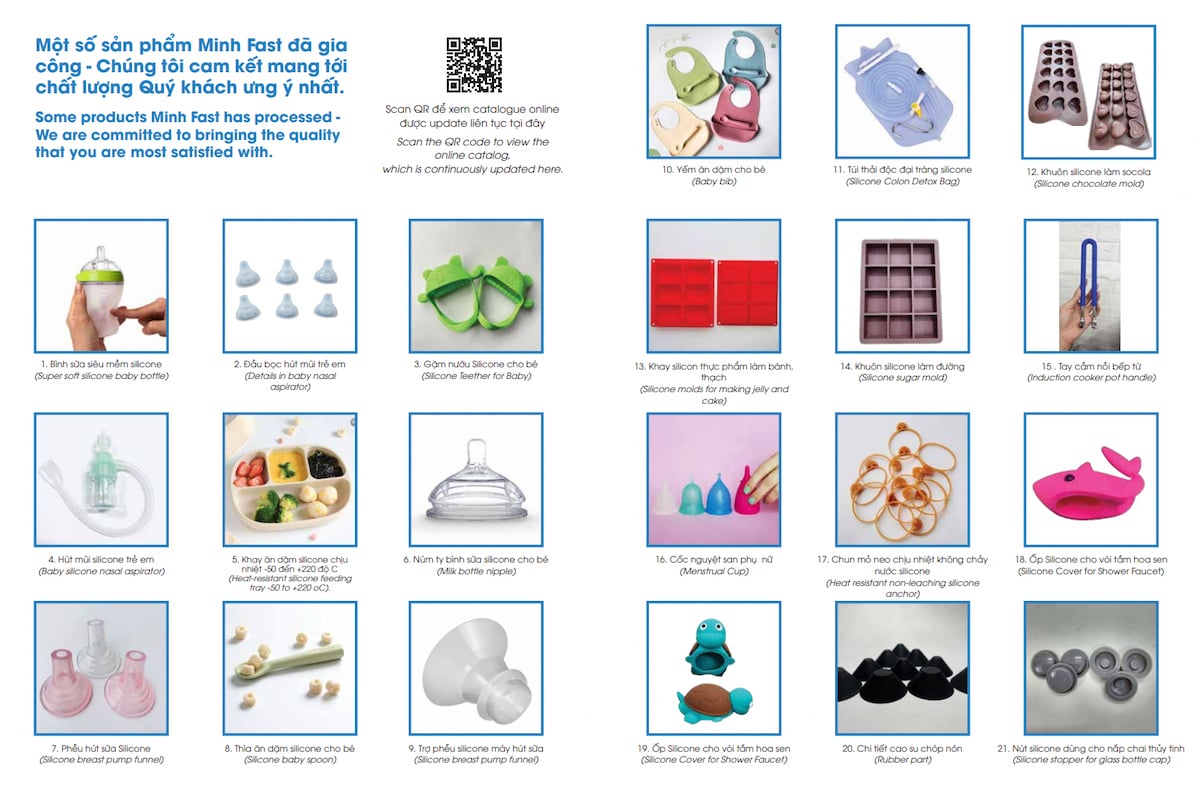
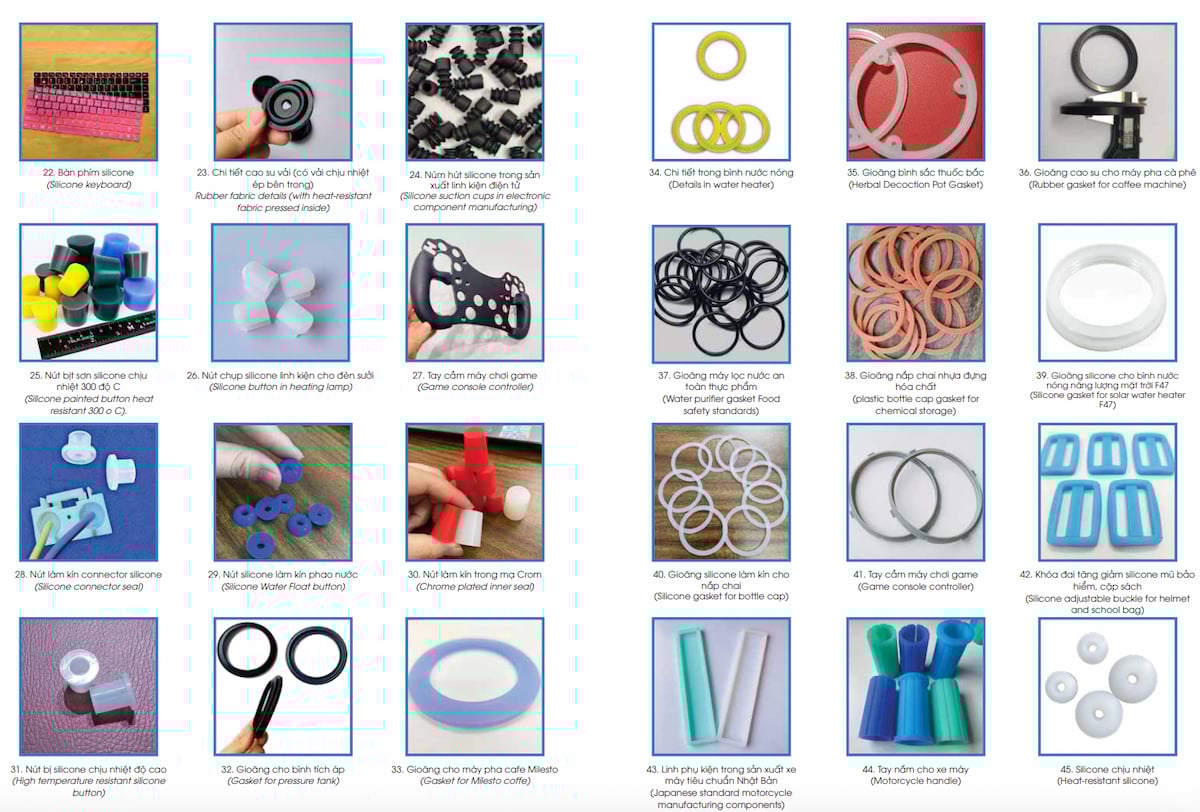
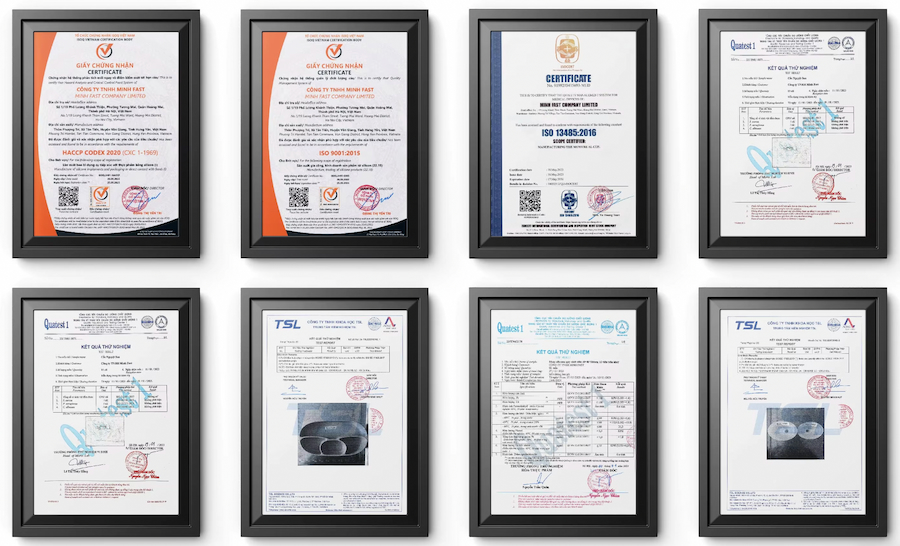
As global brands look to diversify their silicone supply chain beyond China, Minh Fast (vietnamsiliconerubber.com) has positioned itself as a Vietnam-based OEM/ODM partner for companies sourcing custom silicone pet products, alongside its broader silicone rubber manufacturing work in medical, industrial, and consumer categories. Established in 2010 and headquartered in Hanoi, Minh Fast works with food-grade, BPA-free silicone compounds suited to pet products requiring direct contact safety, and supports the full development cycle — from mold design and Pantone color matching through sample approval, mass production, and export documentation — for buyers targeting the US, EU, and Canadian markets.
For pet brands, wholesalers, and private-label sellers evaluating a pet toys manufacturer outside the traditional China-only sourcing model, Minh Fast offers an alternative production base with competitive labor costs, a growing technical workforce. Buyers interested in custom silicone lick mats, chew toys, treat-dispensing shapes, or private-label cat and dog toy lines can reach the Minh Fast team directly to discuss mold development, MOQ tiers, and sample production.
See more: Silicone Dog Toy Manufacturers: OEM/ODM Production

Product Catalog
Certification
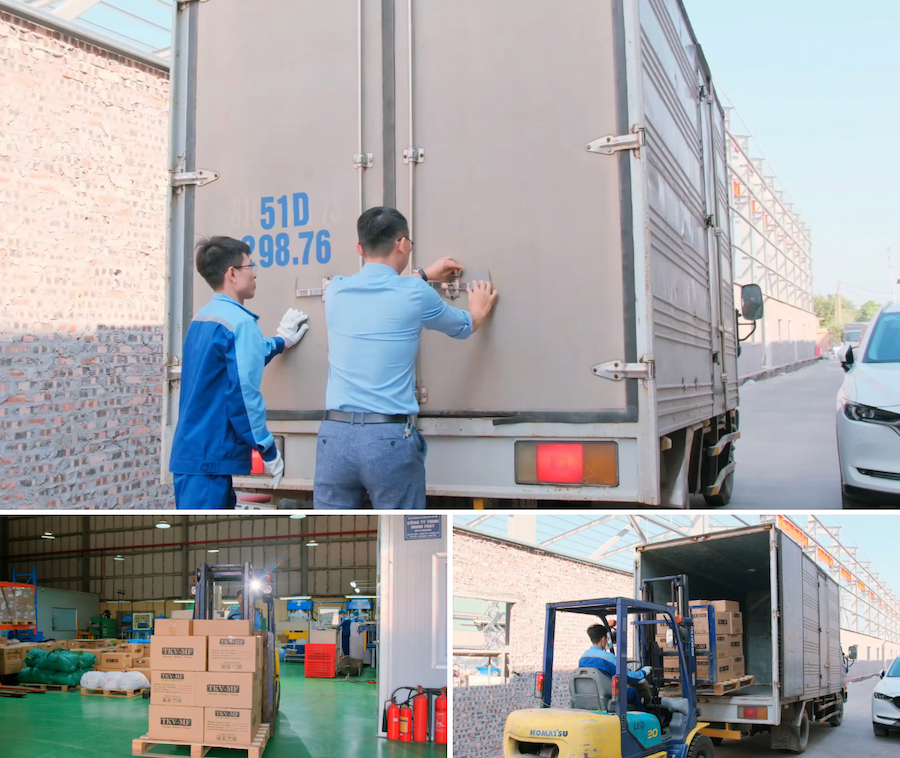
Packaging & Shipping

MINH FAST COMPANY LIMITED
Head Office: No. 1/19 Luong Khanh Thien Street, Tuong Mai Ward, Hanoi, Vietnam
Phone / Zalo / WhatsApp: +84 8899 14599
Email: Thamsiliconetkv@gmail.com | Minhfastsales@gmail.com
YouTube: Minh Fast Silicone Channel