


Top Suction Cup Manufacturers: Vacuum Cups OEM/ODM
- What Is a Suction Cup?
- Why Choose a Custom Silicone Suction Cup?
- 1. Wide temperature tolerance
- 2. Food and medical-grade compliance
- 3. Better resistance to ozone, UV, and weathering
- 4. Mark-free handling
- 5. Custom geometry for specific applications
- 6. Consistent supply for OEM production
- Top Suction Cup and Vacuum Cup Manufacturers Around the World
- Minh Fast – vietnamsiliconerubber.com (Vietnam)
- ANVER Corporation (United States)
- Adams Manufacturing (United States)
- Piab AB (Sweden)
- J. Schmalz GmbH (Germany)
- Vuototecnica S.r.l. (Italy)
- SMC Corporation (Japan)
- Xiamen Better Silicone Rubber Co., Ltd (China)
- Criteria for Choosing a Silicone Suction Cup Manufacturer Worldwide
- Technical Specifications for Manufacturing Vacuum Suction Cups
- Material Grade
- Hardness (Shore A Durometer)
- Cup Design and Bellows Configuration
- Wall Thickness and Lip Profile
- Tensile Strength and Tear Resistance
- Vacuum-Holding Performance
- Mounting and Connection Type
- Color and Traceability Options
- Chemical Compliance and Migration Testing
- Notes When Placing OEM/ODM Orders for Custom Silicone Suction Cups
- Custom Silicone Suction Cups OEM/ODM at Minh Fast
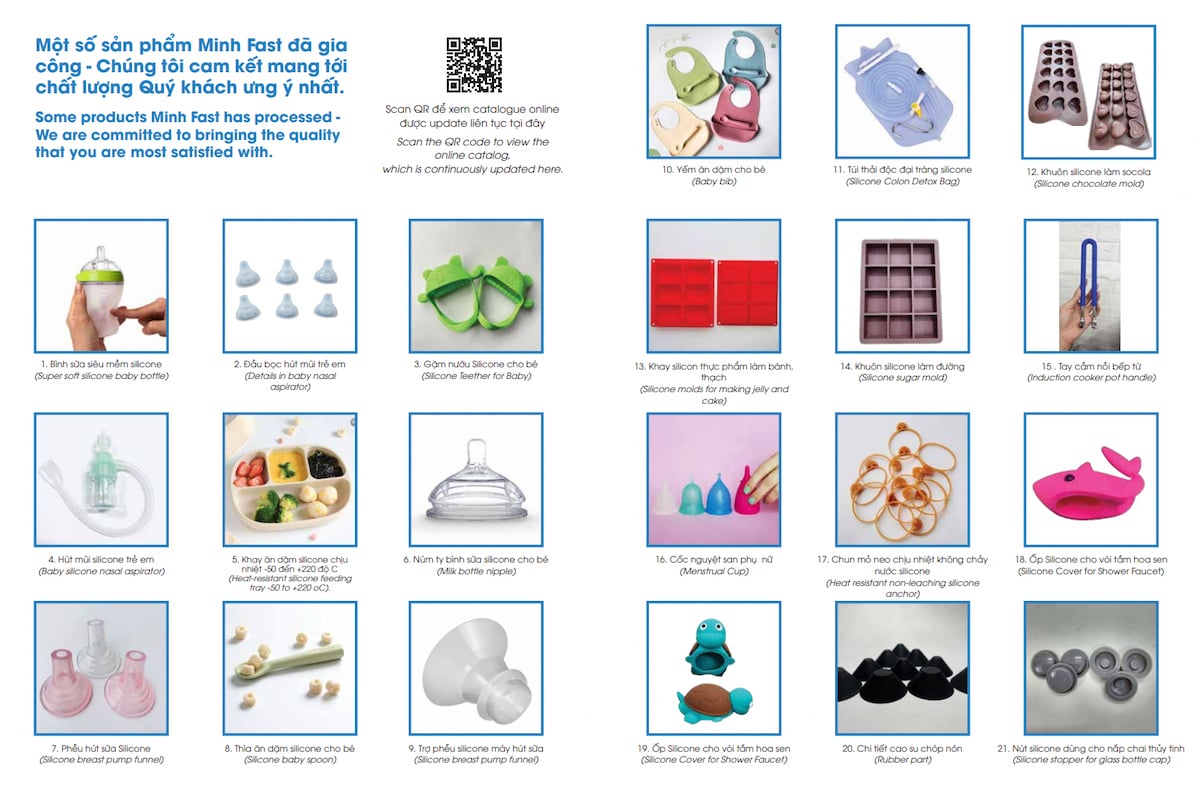
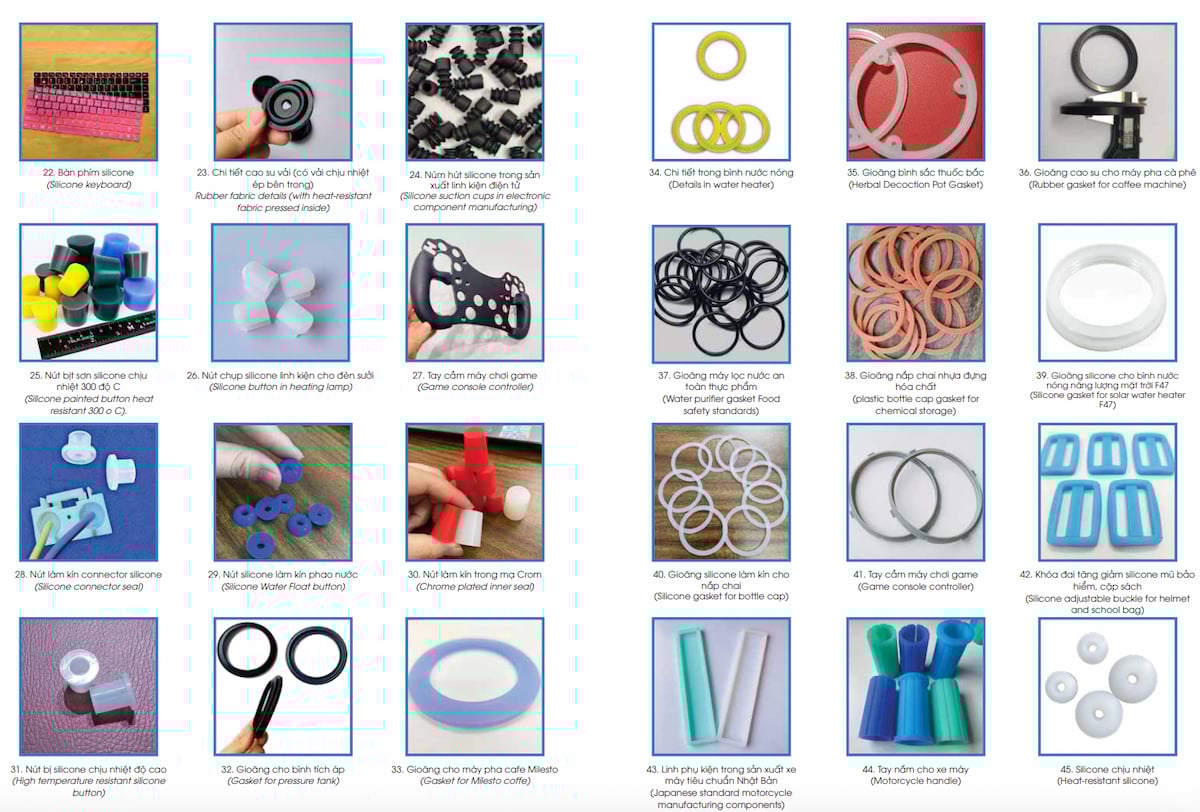
- Product Catalog
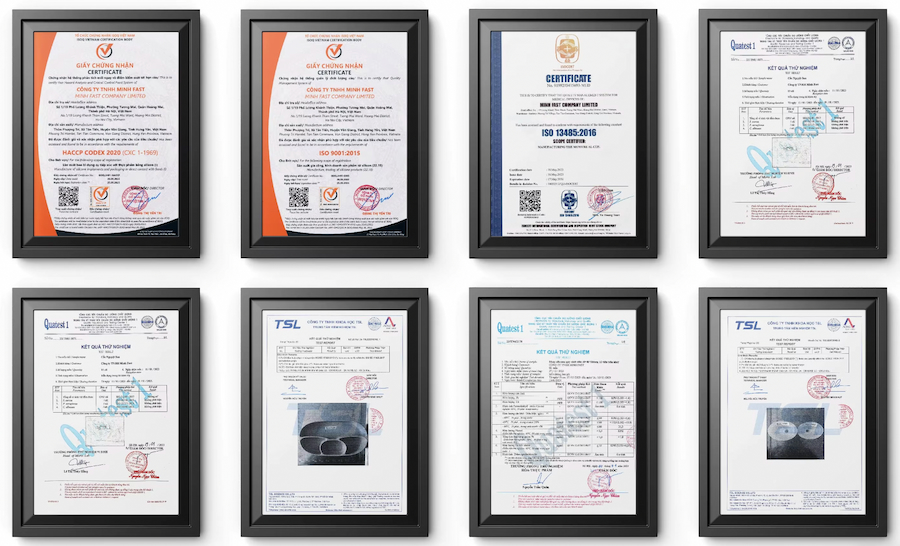
- Certification
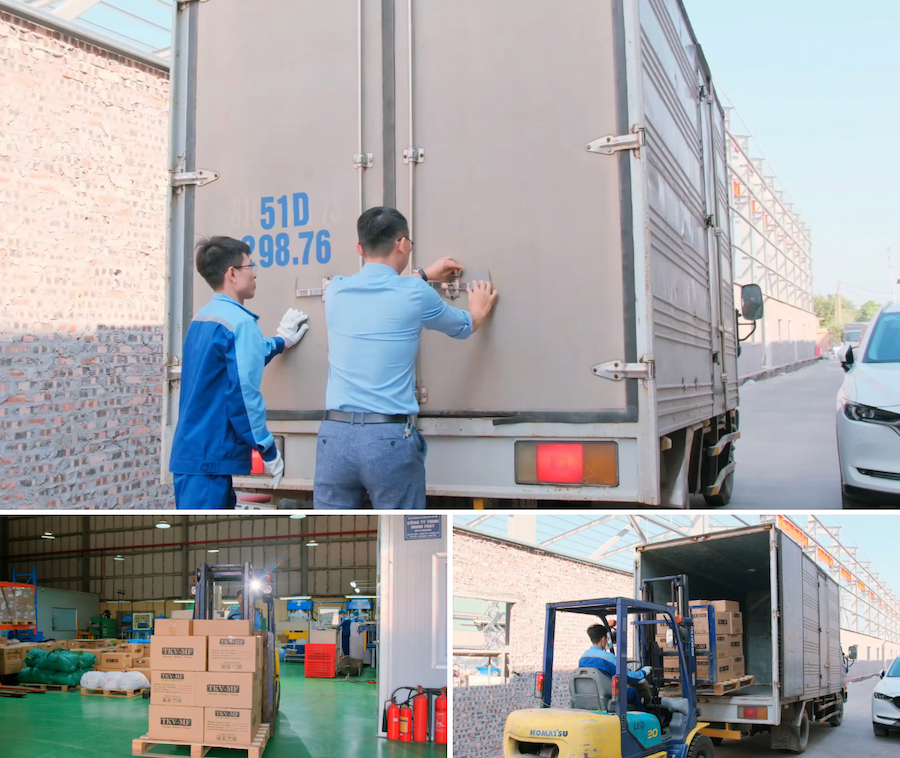
- Packaging & Shipping
- MINH FAST COMPANY LIMITED
- Factory Location
From robotic pick-and-place arms on a factory floor to a phone mount on a car windshield, suction cups are one of those unglamorous components that quietly make modern automation and everyday products work.
Behind every reliable vacuum cup is a chain of suction cup manufacturers, vacuum cup manufacturers, and suction cup suppliers producing parts to exact material and dimensional specifications — and increasingly, buyers are looking specifically for a silicone suction cup manufacturer rather than a generic rubber parts factory, since silicone brings food-grade, temperature, and durability advantages that standard NBR or PVC cups can't match.
What Is a Suction Cup?
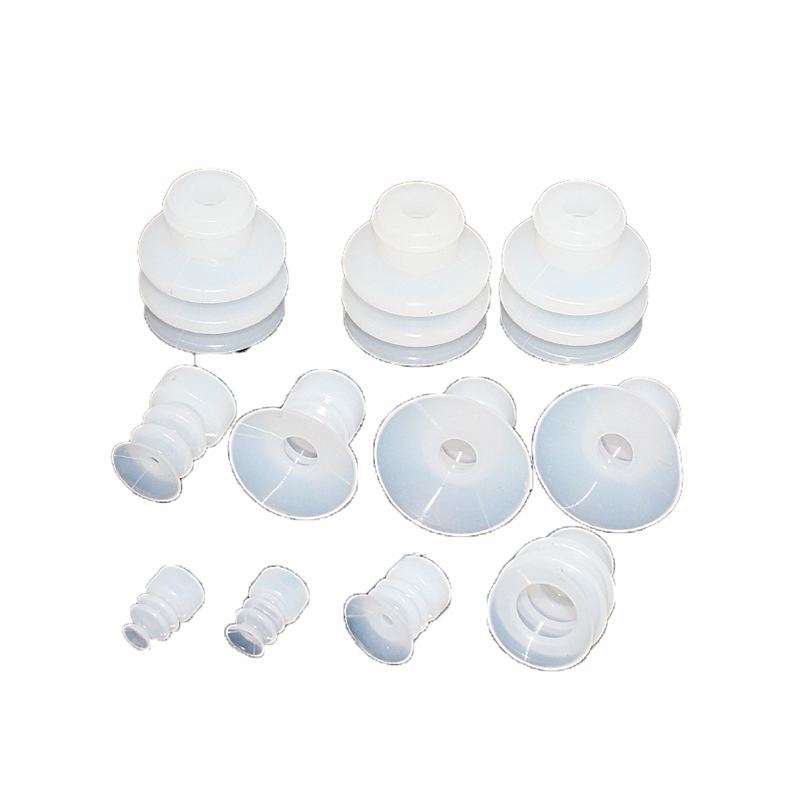
A suction cup, also called a vacuum cup or vacuum pad, is a flexible, typically dome- or bellows-shaped elastomer part that creates a seal against a surface and holds that seal using a pressure differential — either by mechanically pressing out trapped air (a simple household suction cup) or by connecting to a vacuum generator or pump (an industrial vacuum cup). Suction cups appear across an enormous range of applications:
-
Industrial material handling — robotic end-of-arm tooling that lifts glass, sheet metal, cardboard, wood panels, or plastic components without damaging the surface.
-
Automation and electronics assembly — small suction cups that pick and place delicate items like PCBs, chips, and glass panels.
-
Automotive and manufacturing — vacuum lifters for body panels, windshields, and stone or marble slabs.
-
Consumer and household products — suction cup hooks, phone mounts, bathroom accessories, and window decorations.
-
Food and medical processing — FDA-grade silicone cups used for handling food products or components requiring biocompatible, odor-free materials.
The material a suction cup is made from — NBR, PVC, urethane, or silicone — determines how it performs across temperature range, chemical exposure, food safety, and surface marking, which is why material selection is one of the first decisions any suction cup supplier conversation should cover.
Why Choose a Custom Silicone Suction Cup?
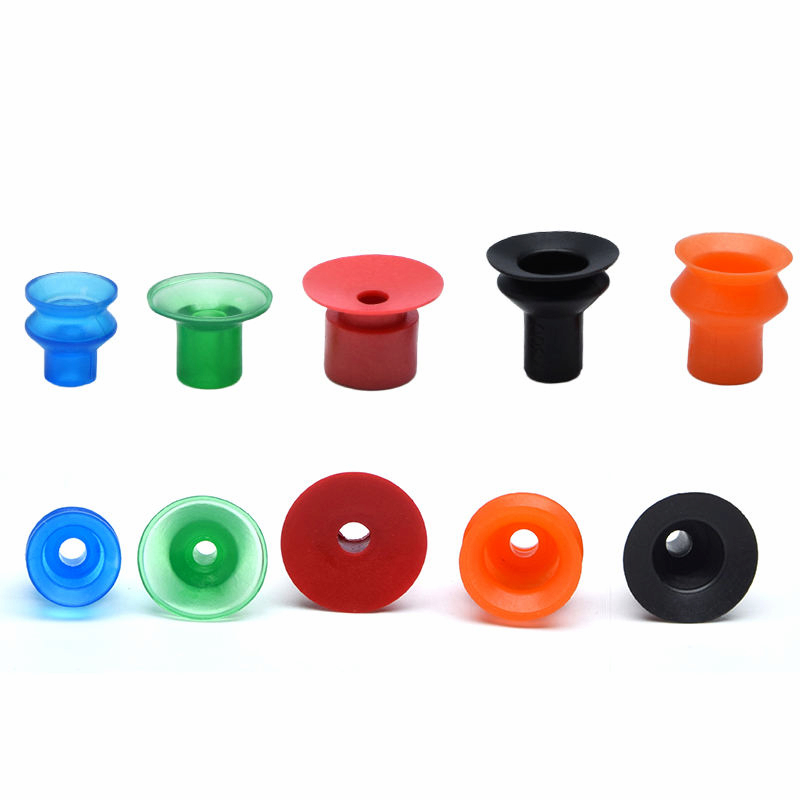
Off-the-shelf rubber or PVC suction cups work fine for many general applications, but a growing number of engineering teams, product brands, and OEM buyers are moving toward custom silicone suction cups for several practical reasons:
Off-the-shelf rubber or PVC suction cups work fine for many general applications, but a growing number of engineering teams, product brands, and OEM buyers are moving toward custom silicone suction cups for several practical reasons:
1. Wide temperature tolerance
Silicone suction cups typically perform reliably from roughly -40°C to over 200°C, well beyond the working range of standard NBR or PVC cups, making them suitable for hot glass, hot-formed plastics, or cold-chain applications.
2. Food and medical-grade compliance
FDA 21 CFR 177.2600-compliant and LFGB-tested silicone is odorless, tasteless, and non-toxic, which matters for suction cups used directly on food products or in pharmaceutical and medical handling equipment.
3. Better resistance to ozone, UV, and weathering
Silicone holds up significantly longer than NBR or PVC in outdoor or high-ozone industrial environments before cracking or losing elasticity.
4. Mark-free handling
Specially compounded silicone reduces the risk of leaving residue or marks on sensitive surfaces such as painted panels, polished glass, or electronics.
5. Custom geometry for specific applications
Working directly with a silicone suction cup manufacturer allows buyers to customize cup diameter, bellows configuration (single, double, or multi-bellows), durometer, and mounting style rather than settling for a generic catalog part that's only an approximate fit.
6. Consistent supply for OEM production
Equipment manufacturers building vacuum lifters, packaging machinery, or robotic tooling need a reliable, repeatable source rather than depending on a general industrial distributor's changing stock levels.
Top Suction Cup and Vacuum Cup Manufacturers Around the World
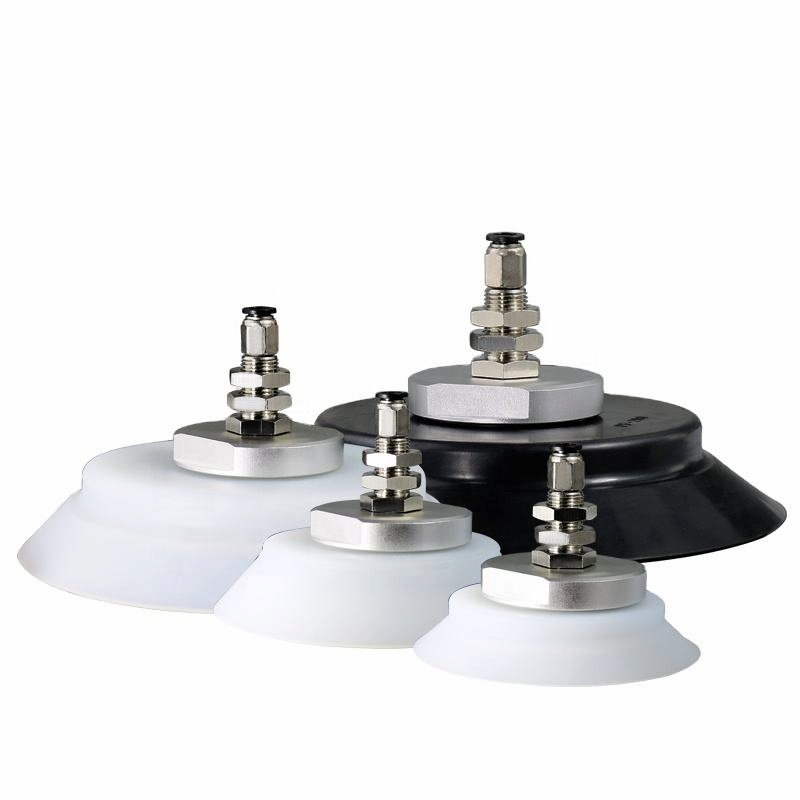
The following companies represent some of the best-known names in suction cup and vacuum cup manufacturing, spanning multiple countries and serving both industrial automation buyers and OEM/ODM custom orders.
Minh Fast – vietnamsiliconerubber.com (Vietnam)
Minh Fast Company Limited is a 100% Vietnamese-owned silicone manufacturing factory headquartered in Hanoi, specializing in OEM/ODM solutions for silicone vacuum pads, silicone suction pads, and silicone vacuum suction cups for international buyers. The company primarily serves OEM partners in the United States, supporting automation manufacturers, robotics integrators, food processing companies, and industrial distributors.
Key strengths:
-
Manufactures according to technical drawings or physical samples, ranging from standard silicone vacuum pads to complex multi-bellows silicone vacuum suction cups, with typical lead times of 2–6 weeks depending on complexity.
-
Works with FDA-, RoHS-, and REACH-compliant materials, suitable for food, medical, and industrial applications.
-
Offers in-house tooling capability, shortening development timelines and giving buyers more control over design iteration before mass production.
-
Supports both smaller brands launching their first product and established companies scaling existing lines, with MOQ structures designed to accommodate different stages of business growth.
ANVER Corporation (United States)
Headquartered in Hudson, Massachusetts and manufacturing in the United States since 1968, ANVER is one of North America's largest suppliers of suction cups, vacuum cups, vacuum lifters, and related vacuum handling components. The company offers an extensive standard product catalog alongside custom cup configurations for specialized industrial applications. ANVER products are distributed through a broad North American distributor network, including regional automation and industrial supply partners.
Website: anver.com
Adams Manufacturing (United States)
Founded in 1976 in Portersville, Pennsylvania, and now operating as part of the Keter Group, Adams Manufacturing is widely recognized as one of the world's largest producers of consumer suction cups. Its products are commonly used in retail signage, seasonal decorations, and household hanging applications, with manufacturing based primarily in Pennsylvania using PVC and phthalate-free materials.
Website: adamsmfg.com | suctioncups.com
Piab AB (Sweden)
Established in 1951 and headquartered in Sweden, Piab has become one of the leading global suppliers of vacuum automation technology, with operations and distributors in more than 70 countries. The company offers an extensive portfolio of suction cups, including FDA-compliant silicone bellows cups, alongside its well-known COAX vacuum generation technology for industrial automation applications.
Website: piab.com
J. Schmalz GmbH (Germany)
Founded in 1910 and headquartered in Glatten, Germany, Schmalz is considered one of the world's leading vacuum technology companies. Its product portfolio includes suction cups manufactured from a wide range of elastomer materials, including ESD-safe compounds and high-temperature silicone formulations, in addition to vacuum generators, lifting systems, and robotic gripping solutions.
Website: schmalz.com
Vuototecnica S.r.l. (Italy)
Vuototecnica is a family-owned Italian manufacturer established in 1975 near Lecco, Italy. The company specializes in vacuum cups, vacuum pumps, and vacuum generation equipment, serving industries such as glass handling, stone processing, packaging, and food manufacturing. Public information indicates the company maintains ISO 9001:2015 certification.
Website: vuototecnica.net
SMC Corporation (Japan)
SMC is one of the world's largest manufacturers of pneumatic and factory automation components. Its vacuum handling portfolio includes the ZP, ZP2, and ZP3 series vacuum pads and suction cups, available in silicone, nitrile rubber, urethane, and food-contact compliant materials commonly used in robotic handling and packaging automation systems.
Website: smcworld.com
Xiamen Better Silicone Rubber Co., Ltd (China)
Based in Xiamen, China, Better Silicone focuses on OEM and ODM silicone manufacturing services for international industrial customers. The company produces custom vacuum suction cups through both compression molding and liquid silicone rubber injection molding technologies, offering food-grade and medical-grade material options across a wide range of sizes and bellows configurations.
Website: better-silicone.com
As with any international sourcing project, buyers are encouraged to independently verify certifications, minimum order quantities, export capabilities, and production experience directly with suppliers, as manufacturing capacity and product specialization can evolve over time.
Criteria for Choosing a Silicone Suction Cup Manufacturer Worldwide
Whether sourcing from the US, Europe, Japan, or China, buyers evaluating a silicone suction cup manufacturer should weigh the same core factors:
-
Material certification — FDA 21 CFR 177.2600 compliance, LFGB testing, and REACH/RoHS documentation for food-grade or export-bound orders, backed by actual lab reports rather than marketing claims alone.
-
In-house mold-making and tooling capability — manufacturers with their own tool shop can iterate cup diameter, bellows count, and mounting thread design faster than factories that outsource tooling to third parties.
-
Process capability fit — compression molding suits simpler flat or single-bellows cups, while liquid silicone injection (LSR) molding suits higher-precision, higher-volume production with tighter dimensional tolerances.
-
Relevant certifications — ISO 9001 as a baseline, plus ISO 13485 for medical-adjacent applications and SEDEX/BSCI social compliance audits for buyers with corporate sourcing policies.
-
Application-specific engineering support — a manufacturer that can advise on durometer, bellows count, and mounting style for your specific lifted material (glass, metal, cardboard, film) adds far more value than one that just molds to a drawing.
-
MOQ and sample policy — transparent minimum order quantities and a willingness to produce a paid or refundable pre-production sample before committing to mass production.
-
Export documentation experience — Certificates of Analysis, Certificates of Origin, and familiarity with your target market's import requirements to avoid customs delays.
Technical Specifications for Manufacturing Vacuum Suction Cups
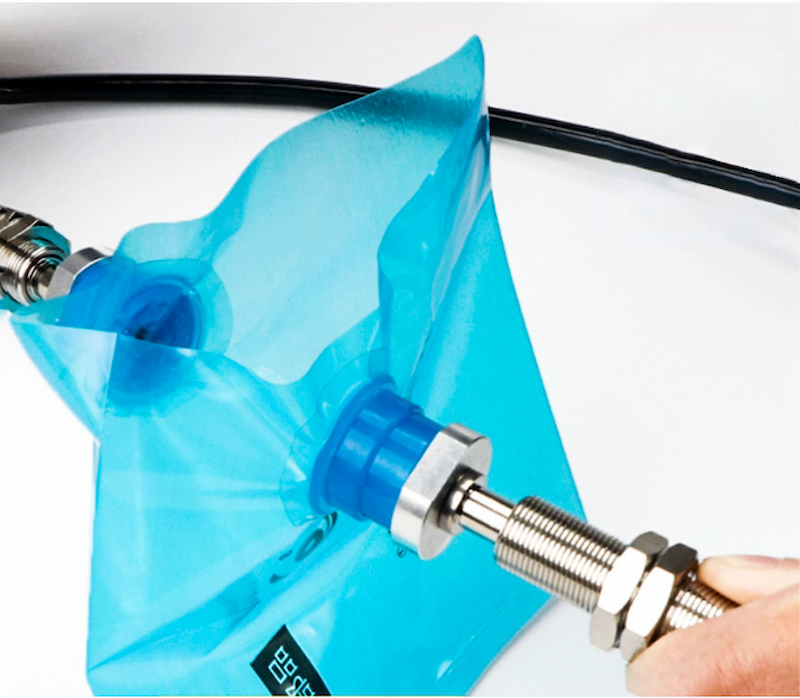
Producing a silicone vacuum cup at scale involves several engineering parameters that experienced manufacturers should be able to discuss and document clearly during supplier qualification and product development.
Material Grade
Silicone vacuum cups are commonly manufactured using platinum-cured Liquid Silicone Rubber (LSR) or peroxide-cured High Temperature Vulcanized (HTV/HCR) silicone compounds.
Food-contact applications often require compliance with FDA 21 CFR 177.2600 and LFGB regulations, while industrial applications may prioritize abrasion resistance, tear strength, and service life over food-contact certification.
Hardness (Shore A Durometer)
Vacuum cups are typically produced within the 30–60 Shore A hardness range. Softer compounds conform more easily to irregular, textured, or delicate surfaces, whereas harder compounds maintain their geometry more effectively under higher lifting forces and heavier payloads.
Cup Design and Bellows Configuration
Cup geometry has a significant impact on gripping performance and application suitability.
-
Flat cups are commonly used for rigid and smooth surfaces.
-
Single-bellows cups accommodate moderate height variations.
-
Double- or multi-bellows cups provide greater flexibility for curved, uneven, or irregular surfaces, although they may reduce handling speed in high-cycle automation environments.
Wall Thickness and Lip Profile
The thickness of the cup body and the geometry of the sealing lip directly influence vacuum generation efficiency and seal stability. These dimensions are often optimized during prototype testing to improve sealing speed, compensate for surface irregularities, and increase operational reliability.
Tensile Strength and Tear Resistance
Silicone generally provides excellent flexibility but lower abrasion resistance compared with materials such as NBR or polyurethane. For high-cycle or abrasive environments, manufacturers may recommend reinforced silicone materials, composite constructions, or alternative elastomers depending on the application requirements.
Vacuum-Holding Performance
Vacuum performance is typically evaluated according to:
-
Achievable vacuum level (kPa or inHg)
-
Maximum lifting force at a specified cup diameter
-
Seal stability under dynamic movement
Performance characteristics depend on both material formulation and manufacturing precision.
Mounting and Connection Type
Common connection options include:
-
Threaded stems
-
Push-in fittings
-
Ball-joint adapters
-
Flange-mounted configurations
Connection type influences tooling requirements and determines compatibility with existing vacuum handling systems.
Color and Traceability Options
Certain industries, particularly food processing and pharmaceutical manufacturing, require special color formulations or metal-detectable compounds to improve contamination detection and traceability. Brightly colored vacuum cups can simplify visual inspection and reduce product recall risks.
Chemical Compliance and Migration Testing
For food-contact and consumer-facing applications, silicone compounds are frequently tested against:
-
FDA regulations
-
LFGB requirements
-
REACH restricted substance lists
Compliance documentation helps ensure product safety and supports international regulatory requirements.
Notes When Placing OEM/ODM Orders for Custom Silicone Suction Cups
Buyers commissioning custom silicone suction cups for the first time should keep the following in mind before placing a production order:
-
Provide a clear technical drawing or reference part.
-
Budget mold cost separately from unit price.
-
Insist on a pre-production sample and, where possible, vacuum-holding tests.
-
Clarify MOQ by cup size and durometer, not just total order value
-
Request documentation upfront, including Certificates of Analysis and any FDA/LFGB/REACH test reports relevant to your target market.
-
Confirm compatibility with your existing vacuum system.
-
Factor mold development time into your project timeline separately from production lead time
-
Clarify mold ownership terms in writing before production begins.
Custom Silicone Suction Cups OEM/ODM at Minh Fast
As buyers diversify silicone component sourcing beyond the traditional US, European, and China-only supply chains, Minh Fast (vietnamsiliconerubber.com) offers an alternative OEM/ODM production base for custom silicone suction cups, drawing on its broader experience manufacturing food-grade, industrial-grade, and medical-grade silicone rubber parts. Established in 2010 and headquartered in Hanoi, Minh Fast supports the full development cycle for custom vacuum cups — from technical drawing review and mold design through sample testing, mass production, and export documentation — for buyers targeting the US, EU, and other international markets.
For equipment builders, automation integrators, and distributors evaluating a silicone suction cup manufacturer outside the conventional sourcing hubs, Minh Fast offers competitive labor costs, a growing technical workforce, and increasing alignment with FDA, RoHS, and REACH compliance expectations. Buyers interested in custom silicone vacuum cups, bellows suction cups, or food-grade suction pads can reach the Minh Fast team directly to discuss mold development, MOQ tiers, and sample production.
See more: Silicone Suction Pad – Custom OEM Silicone Vacuum Pad

Product Catalog
Certification
Packaging & Shipping

MINH FAST COMPANY LIMITED
Head Office: No. 1/19 Luong Khanh Thien Street, Tuong Mai Ward, Hanoi, Vietnam
Phone / Zalo / WhatsApp: +84 8899 14599
Email: Thamsiliconetkv@gmail.com | Minhfastsales@gmail.com
YouTube: Minh Fast Silicone Channel