


Custom Silicone Gummy Molds: OEM/ODM Production
- What Are Silicone Gummy Molds?
- Applications of Custom Silicone Molds for Gummies
- OEM/ODM Technical Specifications for Custom Gummy Molds
- Comparing Supplier Quotes: What a Complete Quote Looks Like
- Criteria for Choosing a Custom Gummy Molds Manufacturer
- New Technology and Trends in Custom Silicone Gummy Molds
- Functional and nutraceutical-driven demand
- Depositor-compatible universal tray formats
- Two-tone and layered gummy molds
- Laser-engraved fine branding detail
- State/region-specific dosing compliance design
- Custom Silicone Gummy Molds OEM/ODM at Minh Fast
- Product Catalog
- Certification
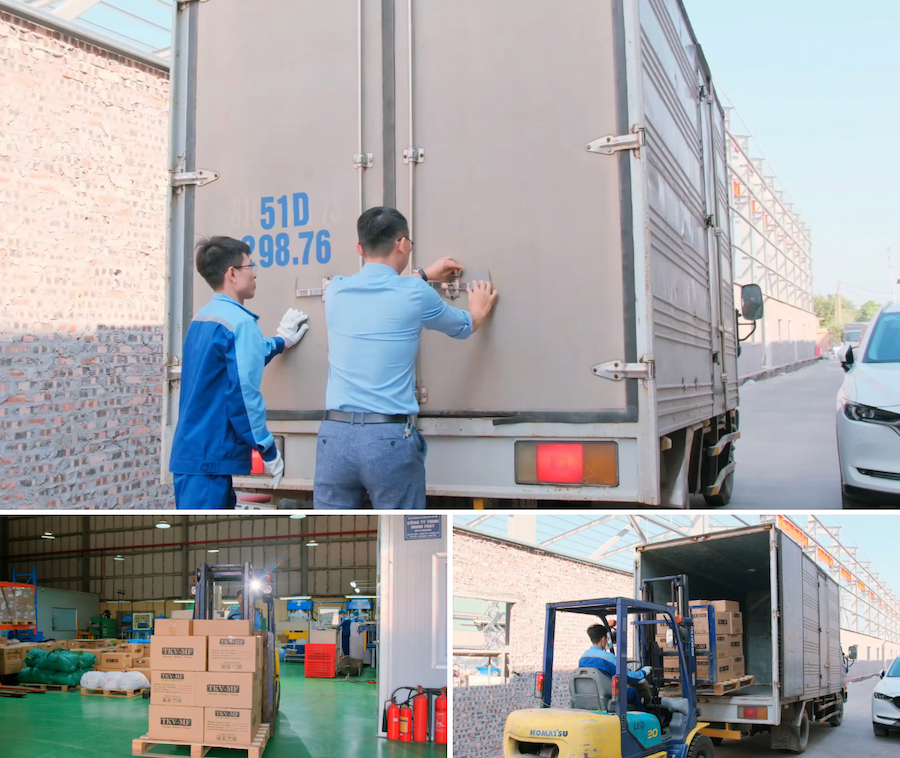
- Packaging & Shipping
- MINH FAST COMPANY LIMITED
- Factory Location
Request three quotes for custom gummy molds from three different factories and you'll usually get three different answers to the same question — different Shore A hardness, different cure systems, different cavity tolerances, and prices that can vary by 2–3x for what looks like "the same mold" on paper.
For confectionery brands, nutraceutical companies, and CBD/functional edible makers sourcing this category, the real skill isn't finding a supplier — it's knowing which line items in a quote actually matter and which are just marketing language.
What Are Silicone Gummy Molds?

A silicone gummy mold is a food-grade silicone tray built with a defined number of cavities — bear shapes, cubes, worms, custom logo shapes — designed to hold a liquid gummy mixture (typically pectin, gelatin, or starch-based syrup) until it sets, then release the finished piece cleanly through the mold's natural elasticity. Unlike rigid polycarbonate or metal candy molds, silicone flexes around undercuts and fine detail (like a bear's ears or a logo's fine lines) without tearing the finished gummy or requiring a hard pry.
Gummy molds sit within the broader category of food-contact silicone molds but have distinct requirements compared to, say, chocolate or ice molds: gummy mixtures are typically more acidic (from citric acid or fruit-based recipes) and stickier than chocolate or water, which means cavity texture, release angle, and material softness all need to be tuned specifically for gummy release rather than borrowed from a generic candy mold spec.
Applications of Custom Silicone Molds for Gummies
Buyers sourcing custom silicone molds for gummies generally fall into a few distinct production contexts, each with different priorities:
|
Buyer type |
Typical volume |
Key priority |
|
Home / small-batch candy makers |
Single trays, low volume |
Simple pour-and-scrape design, easy cleanup |
|
Confectionery brands / private label |
Mid-to-high volume |
Consistent cavity weight, brand-specific shapes/logos |
|
Nutraceutical & vitamin gummy manufacturers |
High volume, automated |
Depositor-machine compatibility, precise dosing consistency |
|
CBD / THC / functional edible producers |
High volume, regulated |
State-specific cavity volume compliance, precise mg-per-piece dosing |
|
Contract manufacturers (co-packers) |
Very high volume |
Standardized tray formats (e.g., universal depositor-compatible sizes) across multiple client SKUs |
A production detail worth flagging for regulated categories: in several US states with cannabis and hemp-derived edible regulations, dosing rules are tied directly to per-piece volume, which means the buyer needs the mold's cavity volume clearly and accurately specified — not just approximated — since inconsistent cavity size directly translates into inconsistent dosing across a batch.
OEM/ODM Technical Specifications for Custom Gummy Molds

This is the specification table to hold every quote against. If a supplier can't fill in most of these fields with real numbers rather than vague marketing claims, that's a signal to keep comparing.
|
Specification |
Typical Industry Range |
Why It Matters |
|
Material |
100% food-grade silicone |
Base requirement; confirm it's not diluted with fillers |
|
Cure system |
Platinum-cured (addition cure) preferred over tin-cured (condensation cure) |
Platinum-cured has better long-term dimensional stability, lower shrinkage, longer usable mold life, and no risk of tin-catalyst migration into food |
|
Hardness (Shore A) |
20–40A |
Softer than ice trays or chocolate molds; needed to release sticky, acidic gummy mixtures around undercuts (bear ears, fine logo detail) without tearing |
|
Cavity volume |
Commonly 2–4 mL per piece for standard gummies; up to 3+ mL for "thick bear" style cavities |
Directly determines finished gummy weight and, for regulated edibles, per-piece dosing accuracy |
|
Temperature resistance |
Approximately -40°C to +230°C (-40°F to ~450°F depending on formulation) |
Confirms freezer-to-oven range and dishwasher-safe cleaning without warping |
|
Molding process |
Compression molding or LSR injection molding |
Compression-molded trays are often cited as more dimensionally stable over repeated cycles; LSR injection suits finer detail and higher-volume automated production |
|
Cavity tolerance |
Typically ±0.05–0.1 mm |
Affects consistency of finished gummy weight across a full tray |
|
Tray format |
Standard depositor-compatible formats (e.g., common 6×9 layouts) or fully custom |
Determines whether the mold is compatible with existing automated depositor equipment |
|
Certifications |
FDA 21 CFR 177.2600 (US) + LFGB (EU) as the two most commonly paired standards |
FDA approval alone doesn't guarantee EU market access; buyers selling in both regions typically need both |
|
Additional compliance |
BPA-free, PVC-free, phthalate-free |
Baseline expectation; should be explicitly confirmed in writing, not assumed |
|
Branding options |
Embossed/debossed logo cavities, laser-engraved detail |
Built into tooling vs. added post-production; affects cost and lead time differently |
Comparing Supplier Quotes: What a Complete Quote Looks Like

When comparing quotes for custom silicone gummy molds, the line items below separate a quote a buyer can actually rely on from one that's likely to produce surprises later in the relationship.
|
Quote element |
Complete, trustworthy quote |
Red flag / incomplete quote |
|
Cure system |
States platinum-cured or tin-cured explicitly, with test documentation offered |
Only says "food-grade silicone" with no cure system stated |
|
Hardness |
Gives an actual Shore A number matched to your recipe's stickiness/acidity |
No hardness spec, or a generic "flexible" description |
|
Cavity volume |
States exact mL per cavity, confirmed by sample testing |
Approximate size only, no volume figure |
|
Certifications |
Names specific standards (FDA 21 CFR 177.2600, LFGB) with documentation available on request |
Vague "certified safe" language with no standard named |
|
Tooling cost |
Quoted as a separate line item from per-unit production cost |
Bundled into a single number with no tooling breakdown |
|
Sample process |
Offers a paid or refundable pre-production sample before mass production |
No sample step, or sample skipped by default |
|
MOQ |
Clear MOQ by SKU/cavity design |
Vague "contact us for MOQ" with no willingness to commit to a number |
|
Lead time |
Separates mold development time from production run time |
Single combined lead time with no breakdown |
|
Mold ownership |
States in writing who owns the tooling after the mold fee is paid |
Silent on ownership terms |
Criteria for Choosing a Custom Gummy Molds Manufacturer
Beyond the quote sheet itself, buyers comparing custom gummy molds suppliers should weigh these factors, roughly in the order they tend to matter most:
-
Track record with gummy-specific molds, not just generic silicone molds. A factory that primarily produces kitchenware or industrial silicone parts may not have tuned cavity texture and release angle specifically for sticky, acidic gummy mixtures.
-
In-house tooling capability. Manufacturers with their own mold-making department can iterate cavity depth, undercut angle, and surface texture faster, and typically offer clearer terms on mold ownership.
-
Depositor-compatibility expertise, if you're scaling toward automated production — a mold built without reference to standard depositor tray dimensions may not integrate with your equipment later.
-
Dual-market certification experience, if you plan to sell in both the US and EU — ask specifically whether the factory has produced FDA- and LFGB-compliant molds before, not just one or the other.
-
Sample-first workflow. A manufacturer willing to produce and test an actual sample against your recipe (not just a generic demonstration mold) reduces the risk of discovering release or sizing problems only after mass production.
-
Regulatory awareness for functional/infused gummies, if applicable — a factory experienced with nutraceutical or CBD edible clients will understand why cavity volume consistency is a compliance issue, not just a cosmetic one.
New Technology and Trends in Custom Silicone Gummy Molds
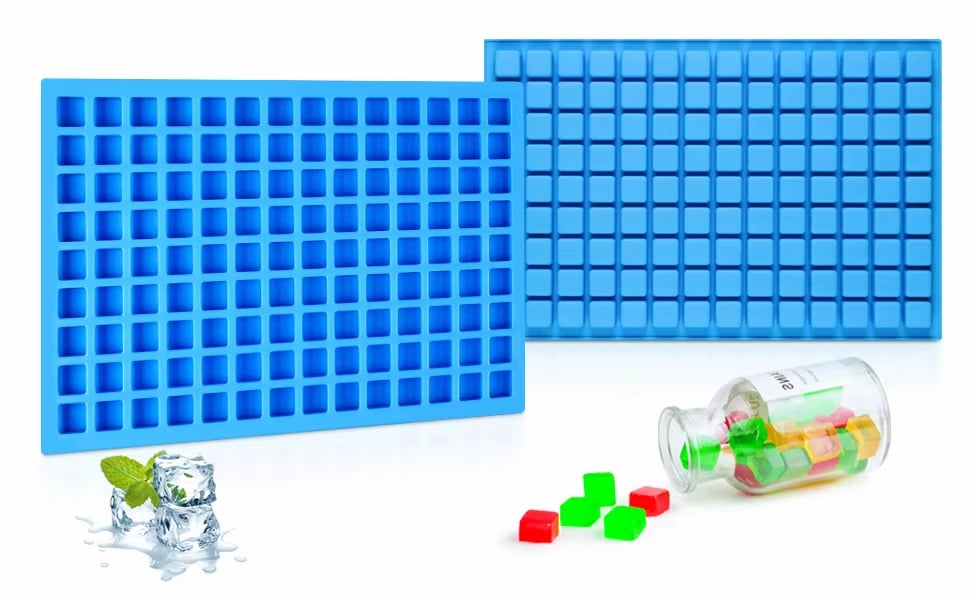
Functional and nutraceutical-driven demand
The growth of vitamin, supplement, and CBD/hemp-derived gummy categories has pushed more buyers toward custom mold development rather than generic stock shapes, since branded dosing formats and cavity-specific compliance have become a competitive differentiator.
Depositor-compatible universal tray formats
Rather than one-off custom trays, more manufacturers now offer standardized tray dimensions engineered to drop directly into common automated depositor systems, reducing the retooling needed when a brand scales from manual pouring to automated production.
Two-tone and layered gummy molds
Cavity designs that support a two-stage pour (a base layer set first, then a second color/flavor poured on top) are increasingly common for visually distinctive branded gummies.
Laser-engraved fine branding detail
For logo-shaped or symbol-marked cavities (including regulatory-required symbols on infused edibles in some jurisdictions), laser engraving allows finer, more consistent detail than standard tooling alone.
State/region-specific dosing compliance design
In infused-edible markets with per-piece dosing regulations, mold cavity volume is increasingly treated as a compliance specification, not just a product design choice — driving demand for tighter cavity tolerance and documented volume verification.
Custom Silicone Gummy Molds OEM/ODM at Minh Fast
Minh Fast (vietnamsiliconerubber.com) supports the full OEM/ODM development cycle for custom gummy molds, drawing on its broader experience manufacturing food-grade, BPA-free silicone products across household, baby, and confectionery-adjacent categories. Minh Fast works with buyers on cure-system selection, cavity volume and tolerance confirmation, Pantone-matched branding, sample approval, and export documentation — supporting both manual pour-and-scrape formats and depositor-compatible tray designs for buyers scaling toward automated production.
For confectionery brands, nutraceutical companies, and private-label sellers comparing quotes for custom silicone molds for gummies, Minh Fast offers a Vietnam-based alternative to China-only sourcing, with competitive labor costs and growing alignment with FDA, LFGB, RoHS, and REACH documentation expectations for international buyers. Buyers can reach the Minh Fast team directly to discuss cure system selection, mold development, MOQ tiers, and sample production.
Note: Technical figures referenced above (hardness ranges, cavity volumes, temperature ratings, tolerances) reflect commonly cited industry benchmarks for food-grade silicone gummy molds and should be confirmed against the specific formulation, recipe, and mold design used for any individual project. Regulatory requirements for infused or dosed edibles vary by jurisdiction and should be verified independently before finalizing a product design.
See more: Custom Silicone Ice Molds - Ice Cube Trays Personalized OEM/ODM

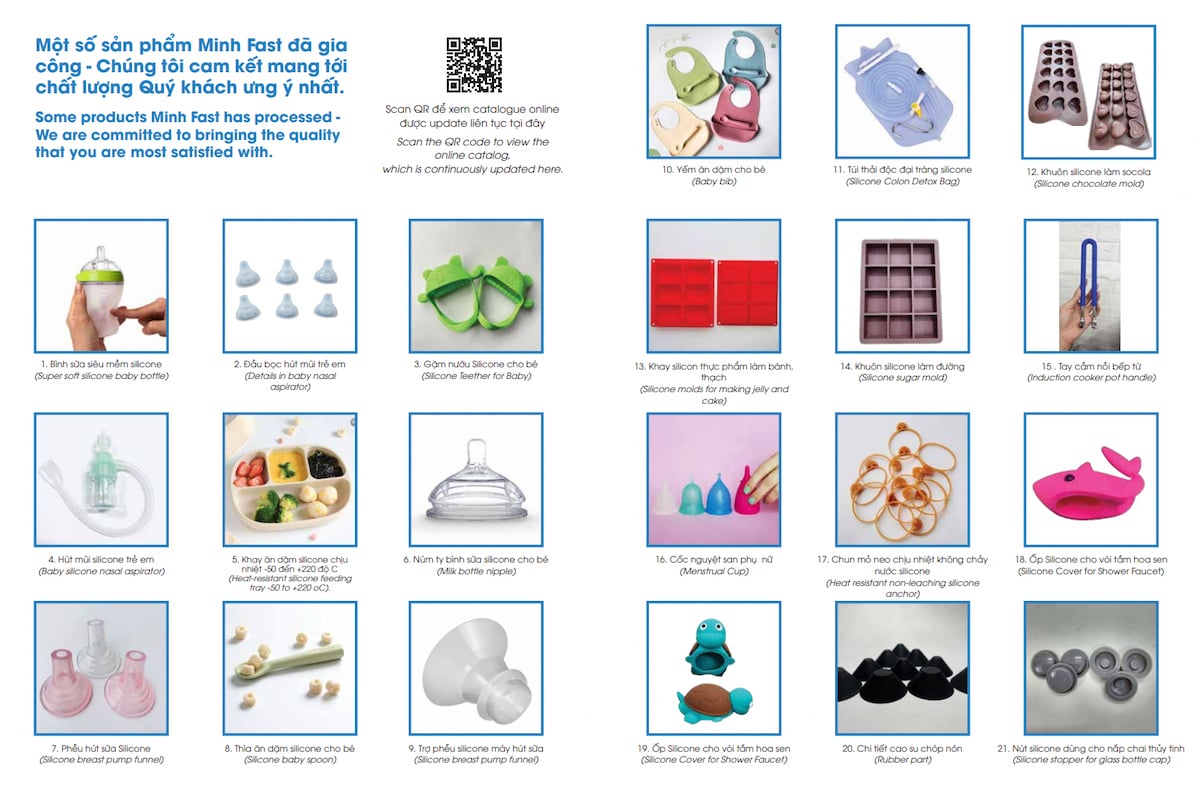
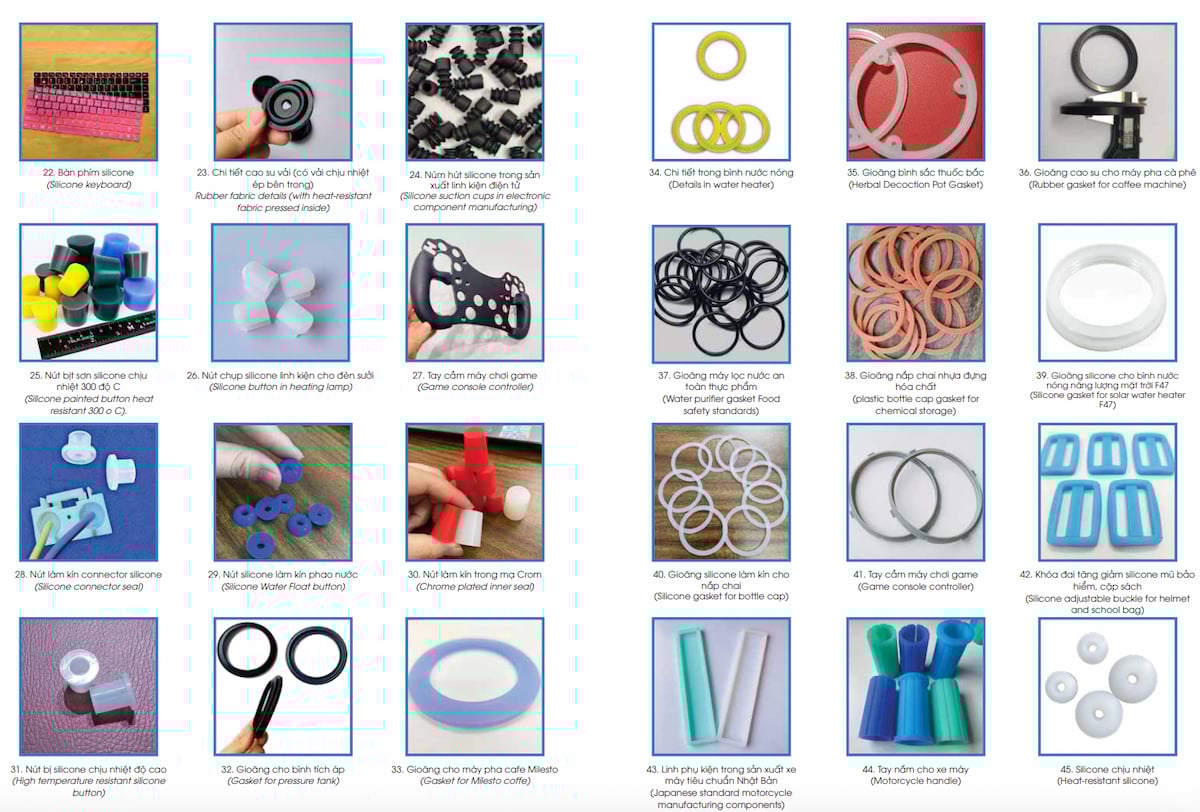
Product Catalog
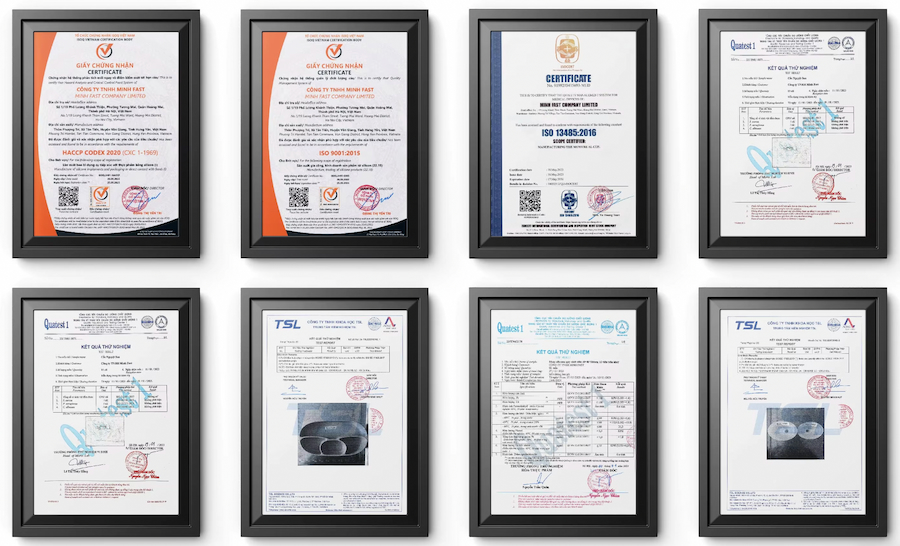
Certification
Packaging & Shipping

MINH FAST COMPANY LIMITED
Head Office: No. 1/19 Luong Khanh Thien Street, Tuong Mai Ward, Hanoi, Vietnam
Phone / Zalo / WhatsApp: +84 8899 14599
Email: Thamsiliconetkv@gmail.com | Minhfastsales@gmail.com
YouTube: Minh Fast Silicone Channel