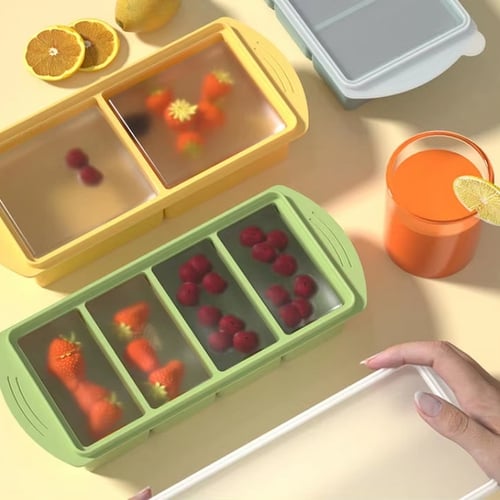
- What Is a Silicone Ice Mold, Mechanically Speaking?
- Where Custom Silicone Ice Trays Are Used
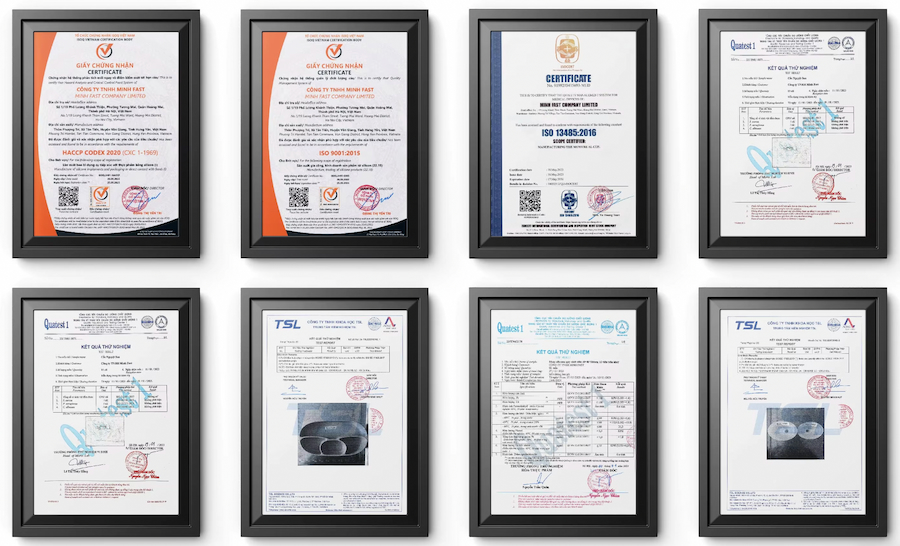
- Global Quality Standards Relevant to Silicone Ice Molds
- OEM/ODM Specifications for Custom Silicone Ice Molds, by Production Stage
- Stage 1 — Design & Tooling
- Stage 2 — Material Selection
- Stage 3 — Production & Tolerance Control
- Stage 4 — Quality Control & Documentation
- Criteria for Choosing a Manufacturer of Customizable Silicone Ice Cube Trays
- OEM/ODM Ordering Timeline for Custom Silicone Ice Trays
- Custom Silicone Ice Cube Trays OEM/ODM at Minh Fast
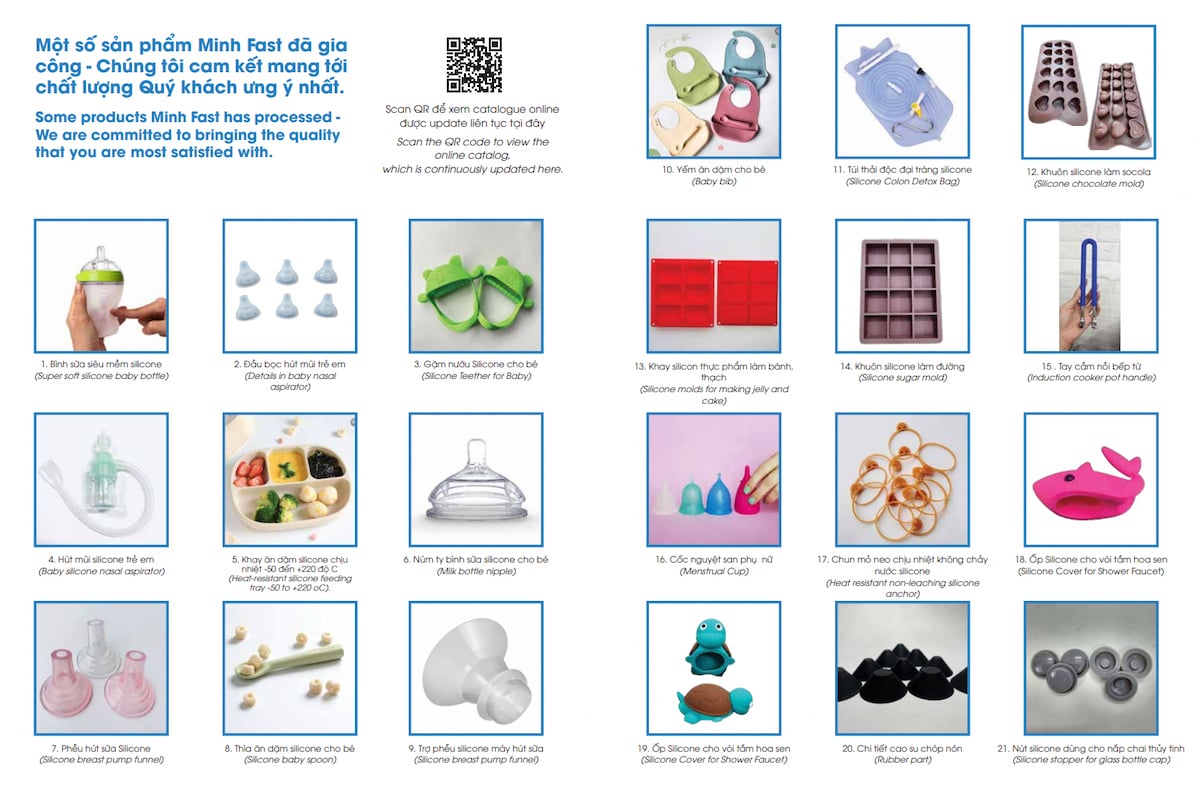
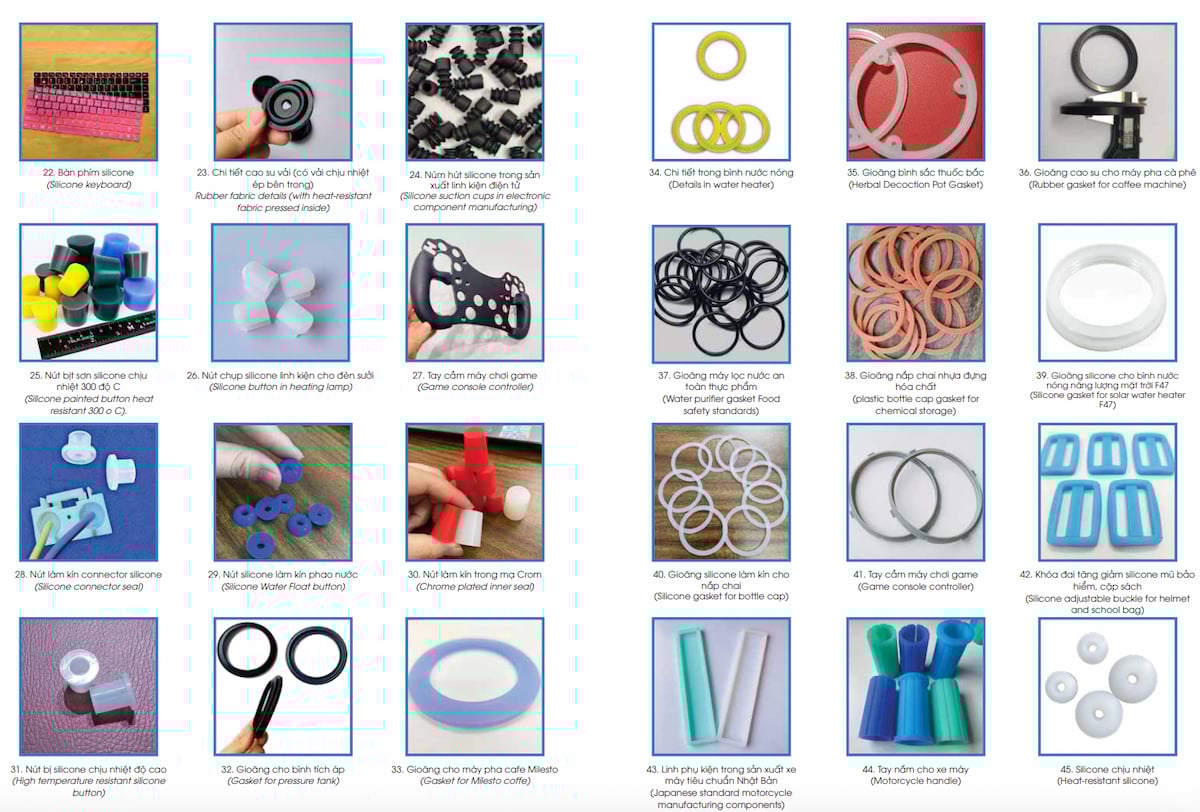
- Product Catalog
- Certification
- Packaging & Shipping
- MINH FAST COMPANY LIMITED
- Factory Location
This guide takes a buyer's-eye view of the category — starting from what a silicone ice mold actually is, moving through the global quality standards that separate a compliant product from a marketing claim, laying out the OEM/ODM specifications a factory should be able to quote against, and closing with how Minh Fast supports custom silicone ice cube trays production for international brands.
What Is a Silicone Ice Mold, Mechanically Speaking?
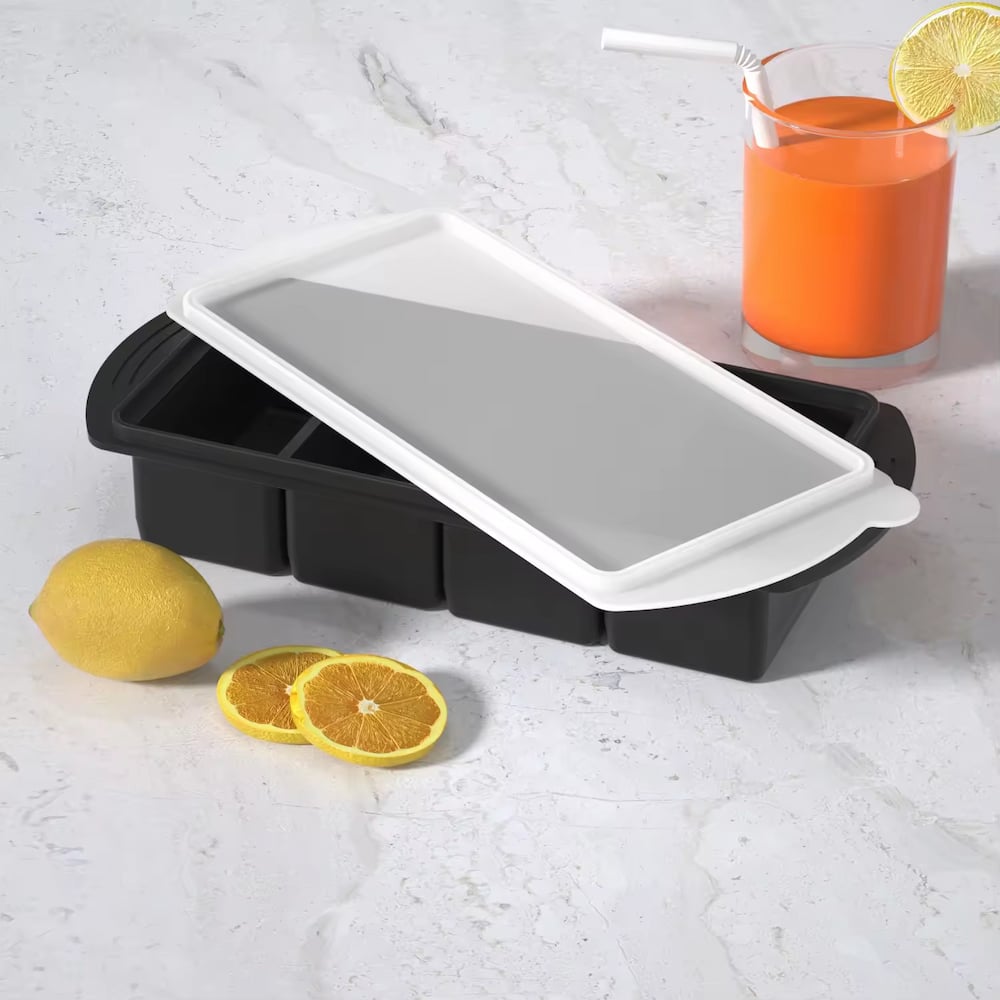
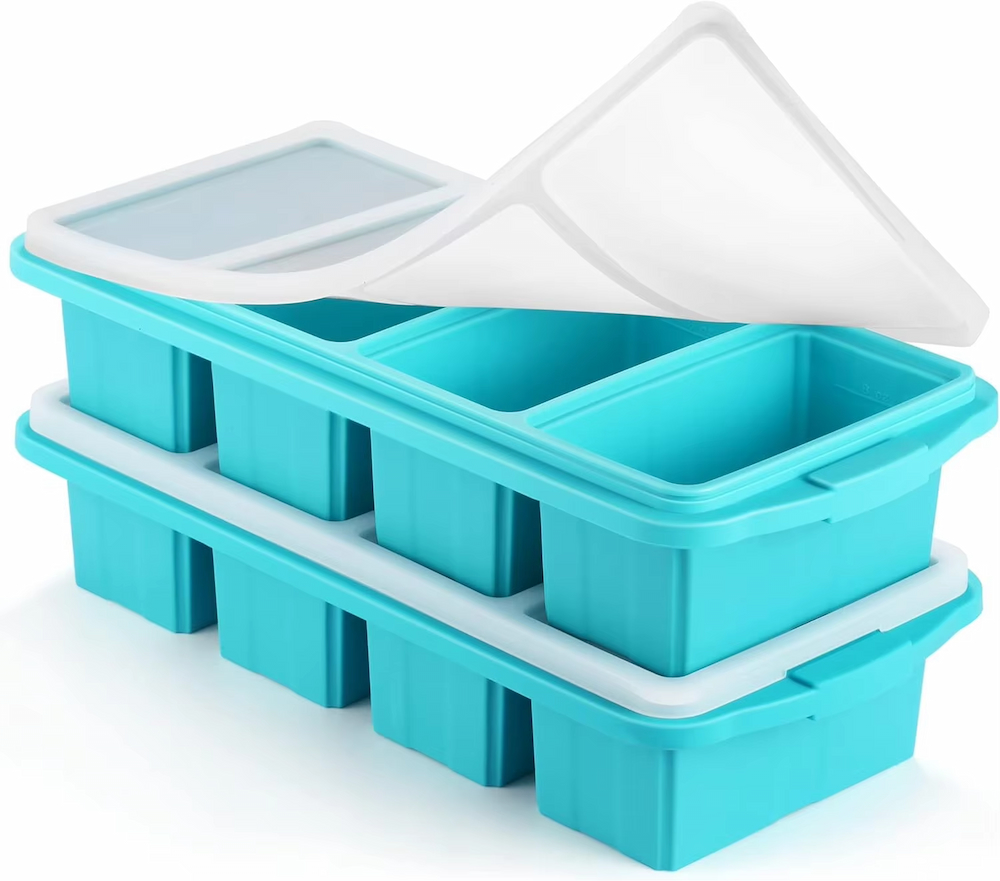
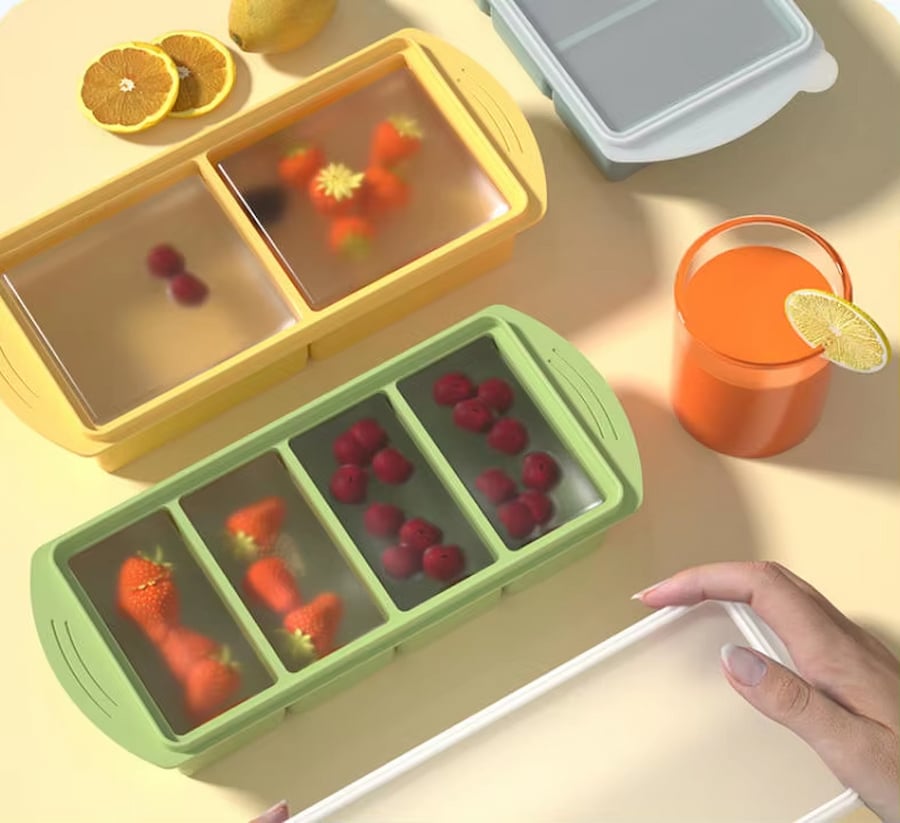
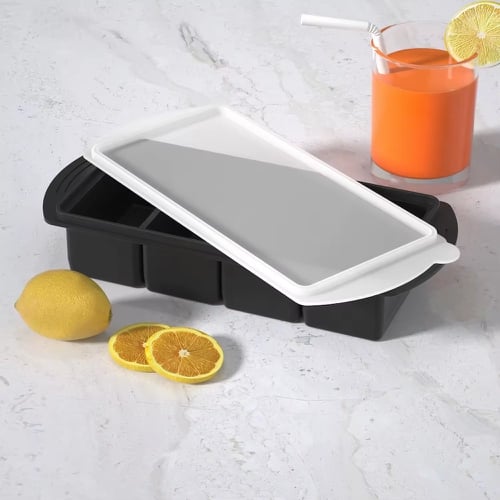
A silicone ice mold is a flexible, food-contact-grade silicone tray built around one core mechanical principle: elastomeric memory. Where a rigid plastic or metal tray relies on a sharp twist or hot water to break an ice cube free — often cracking the cube or damaging the tray — silicone deforms elastically around the frozen shape and returns to its original form once released, allowing the ice to pop out cleanly. This single material property is why silicone displaced rigid trays across most of the ice-mold category over the past decade, and it's also why hardness selection is the single most consequential engineering decision in the entire mold design.
Two manufacturing routes dominate the category:
|
Process |
How it works |
Best suited for |
|
Compression molding |
Silicone gum stock is placed in a heated cavity and cured under pressure |
Standard cube/rectangular trays, thicker reinforced frames, cost-efficient mid-volume runs |
|
Liquid Silicone Rubber (LSR) injection molding |
Liquid silicone is injected into a precision tool under high pressure and heat-cured in seconds |
Fine-detail novelty shapes (spheres, characters, logos), tight tolerances, high-volume automated runs |
Where Custom Silicone Ice Trays Are Used
Buyers commissioning custom silicone ice cube trays generally fall into a handful of distinct commercial categories, each with different priorities:
|
Buyer segment |
Primary priority |
Typical order pattern |
|
Retail / e-commerce kitchenware brands |
Cost efficiency, attractive novelty shapes |
Larger MOQ, standard SKUs, seasonal color runs |
|
Bars, distilleries, hospitality groups |
Slow-melt large-format cubes/spheres, presentation |
Mid-volume, premium finish, sometimes branded |
|
Corporate gifting & promotional agencies |
Fast turnaround, embossed logos |
Smaller MOQ, personalized silicone ice cube mold designs tied to an event or campaign |
|
Baby product brands |
Certified food safety, small portion cavities |
Small cavity size, strict documentation requirements |
|
Foodservice / catering suppliers |
Bulk portioning, freezer-stack efficiency |
Larger cavity trays, nesting/stackable design |
Global Quality Standards Relevant to Silicone Ice Molds
Because there is no single worldwide "ice tray" standard, credible manufacturers typically point to a stack of adjacent food-contact material regulations depending on the buyer's target market. Understanding which standard applies where is one of the most overlooked parts of sourcing this category.
|
Standard / Regulation |
Region |
What it governs |
|
FDA 21 CFR 177.2600 |
United States |
Federal regulation specifically covering rubber articles (including silicone) intended for repeated food contact use |
|
NSF/ANSI 51 |
United States / North America |
Voluntary but widely required standard for materials used in commercial food equipment; distinguishes "NSF certified" (independently tested, official mark) from "NSF compliant" (manufacturer's own claim, unverified) |
|
NSF/ANSI/CAN 61 |
US / Canada |
Applies where a product also contacts potable water systems; jointly developed with the Canadian Standards Association |
|
EU Framework Regulation (EC) 1935/2004 |
European Union |
The umbrella framework requiring all food-contact materials sold in the EU not to transfer substances that could endanger health or change food composition/taste |
|
EU GMP Regulation (EC) 2023/2026 |
European Union |
Good Manufacturing Practice requirements for food-contact material production, complementing the 1935/2004 framework |
|
Germany BfR Recommendation XV |
Germany / commonly referenced EU-wide |
National guidance specifically addressing silicone rubber in food contact, frequently used as the practical EU benchmark since there is no single EU-wide silicone-specific regulation |
|
LFGB |
Germany, widely referenced internationally |
Germany's food and commodities law testing regime; often cited internationally as one of the strictest food-contact migration test regimes available |
|
REACH |
European Union |
Restricts hazardous chemical substances across manufactured goods sold in the EU, including heavy metals and certain plasticizers |
|
RoHS |
European Union |
Restricts specific hazardous substances, most relevant when a silicone ice tray includes electronic or metal components (e.g., LED-lit novelty trays) |
A practical note for buyers: FDA 21 CFR 177.2600 does not have direct legal standing in the EU or Canada, and NSF/ANSI standards are US/Canada-focused rather than globally harmonized. A manufacturer supplying both US and EU markets typically needs to document compliance against several of these standards simultaneously rather than relying on one blanket "food-grade" claim — buyers should ask specifically which standards a factory tests against, and whether certification is independently verified (like an official NSF mark) or simply a self-declared compliance statement.
OEM/ODM Specifications for Custom Silicone Ice Molds, by Production Stage
Rather than a single flat spec sheet, it's more useful for buyers to think through custom ice trays silicone specifications in the order a factory actually addresses them during development:
Stage 1 — Design & Tooling
|
Parameter |
What to specify |
|
Cavity count & layout |
Number of cubes/shapes per tray, spacing, nesting requirements |
|
Cavity geometry |
Cube, sphere, novelty/character shape, logo/branding cavity |
|
Mold tolerance |
Typically ±0.05–0.1 mm depending on shape complexity |
|
Branding method |
Embossed/debossed (built into tooling) vs. printed/laser-etched (post-processing) |
|
Frame/handle design |
Reinforced rigid frame vs. fully flexible construction |
Stage 2 — Material Selection
|
Parameter |
What to specify |
|
Curing system |
Platinum-cured (higher purity, preferred for food/baby-adjacent claims) vs. peroxide-cured (more cost-effective) |
|
Hardness (Shore A) |
Commonly 50–60A for standard flexible cavities; firmer compounds for reinforced frames/handles |
|
Color |
Pantone-matched, food-grade pigment; confirm migration testing per color, since pigmented compounds may need separate validation from clear/translucent base material |
|
Additives |
Confirm BPA-free, phthalate-free, lead/cadmium-free status in writing |
Stage 3 — Production & Tolerance Control
|
Parameter |
What to specify |
|
Molding process |
Compression molding or LSR injection molding, matched to shape complexity |
|
Shrinkage allowance |
Typically ≤1.5–2% for properly formulated platinum silicone; factored into tool dimensions |
|
Wall thickness consistency |
Uniform across cavities for even freezing and consistent release behavior |
|
Surface finish |
Fine micro-texture on cavity walls to balance release ease against detail retention |
|
Operating temperature range |
Approx. -40°C to +230°C, formulation-dependent |
Stage 4 — Quality Control & Documentation
|
Parameter |
What to confirm |
|
Certificates of Analysis |
Batch-level material testing documentation |
|
Migration testing |
Chemical migration test reports aligned to your target market's standard (FDA, LFGB, EU framework, etc.) |
|
Dimensional QC |
Cavity-to-cavity consistency checks across production runs |
|
Freeze-thaw testing |
Verification the tray holds shape and release performance across repeated cycles |
Criteria for Choosing a Manufacturer of Customizable Silicone Ice Cube Trays
Rather than a generic checklist, buyers evaluating a supplier for a customizable silicone ice cube tray program should ask these direct questions during supplier vetting:
-
"Is your material platinum-cured or peroxide-cured, and can you provide documentation?" — A manufacturer that can't answer this immediately, or that treats "food-grade" as a sufficient answer on its own, likely hasn't controlled for it at the formulation level.
-
"Which food-contact standards do you test against, and are any of them independently certified rather than self-declared?" — Given the fragmented global regulatory landscape described above, this question filters out suppliers offering only vague "FDA approved" language.
-
"Do you own your tooling, or is it outsourced?" — In-house mold-making generally means faster design iteration and clearer ownership terms.
-
"Can I see actual ice-release testing, not just Shore A hardness specs?" — Release performance depends on cavity texture and geometry as much as material hardness; a factory that only quotes hardness numbers may not have validated real-world release behavior.
-
"What's your MOQ per SKU/color, and what does prototype tooling cost versus production tooling?" — Important for personalized silicone ice cube trays and promotional runs where order volumes are smaller than standard retail SKUs.
-
"What documentation do you provide with each shipment?" — Certificates of Analysis and compliance documents should be a standard deliverable, not an added request.
OEM/ODM Ordering Timeline for Custom Silicone Ice Trays
|
Phase |
Typical activity |
Buyer action needed |
|
1. Design brief |
Cavity count, shape, branding method defined |
Provide sketch, reference sample, or CAD file |
|
2. Quotation |
Manufacturer quotes tooling + unit cost separately |
Confirm curing system and certification requirements upfront |
|
3. Prototype tooling & sample |
Lower-cost sample tooling built; first samples produced |
Test actual ice release, not just visual approval |
|
4. Sample approval |
Color, texture, branding, and release performance confirmed |
Approve in writing before production tooling begins |
|
5. Production tooling |
Full production mold built |
Confirm mold ownership terms in writing |
|
6. Mass production |
Full production run with in-process QC |
Request batch-level Certificates of Analysis |
|
7. Export documentation & shipping |
Compliance documents, packaging, logistics |
Confirm labeling requirements for destination market |
Custom Silicone Ice Cube Trays OEM/ODM at Minh Fast
Minh Fast (vietnamsiliconerubber.com) supports the full OEM/ODM development cycle described above for silicone ice cube trays personalized to a buyer's brand, venue, or product line — from curing-system selection and mold design through sample approval, mass production, and export documentation. As a Vietnam-based manufacturer, Minh Fast gives beverage brands, hospitality groups, retailers, and corporate gifting buyers an alternative to China-only sourcing, with competitive labor costs and growing alignment with FDA, LFGB, REACH, and RoHS documentation expectations for international buyers.
Buyers interested in custom cube, sphere, or novelty-shaped custom silicone ice molds, or private-label promotional ice tray programs, can reach the Minh Fast team directly to discuss curing system selection, mold development, MOQ tiers, and sample production.
Note: Standards and figures referenced above (NSF/ANSI 51, FDA 21 CFR 177.2600, EU Framework Regulation 1935/2004, BfR Recommendation XV, hardness ranges, tolerances) reflect publicly documented industry and regulatory references current as of the time of writing. Regulatory texts are periodically revised — buyers should confirm the current version of any applicable standard and request project-specific test documentation before finalizing an order.
See more: Is Silicone Safe To Use For Baking and Cooking?

Product Catalog
Certification
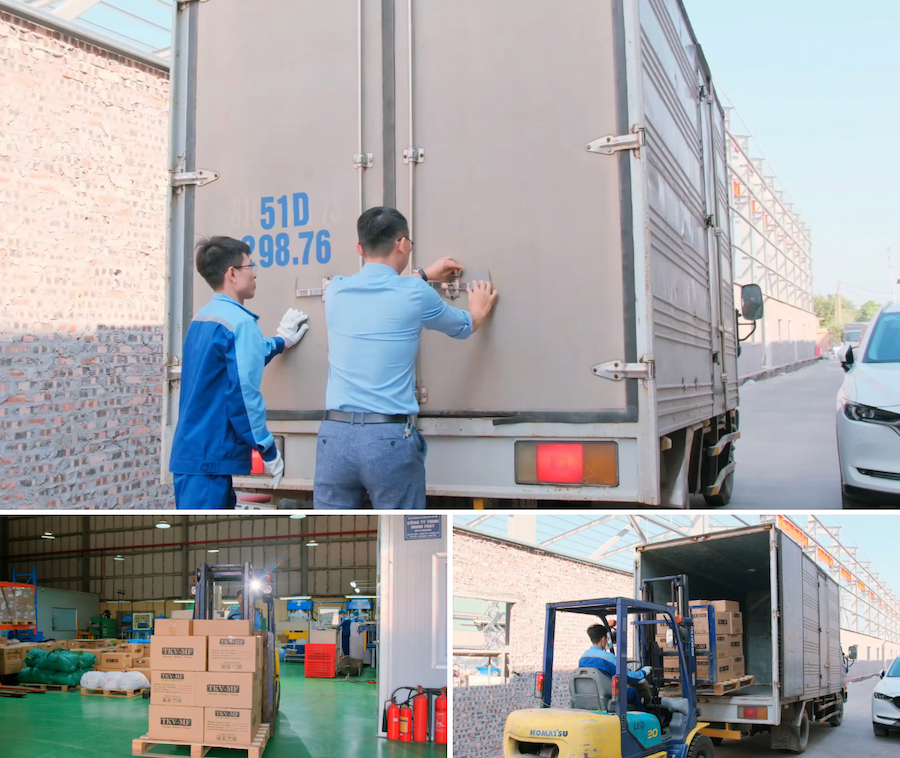
Packaging & Shipping

MINH FAST COMPANY LIMITED
Head Office: No. 1/19 Luong Khanh Thien Street, Tuong Mai Ward, Hanoi, Vietnam
Phone / Zalo / WhatsApp: +84 8899 14599
Email: Thamsiliconetkv@gmail.com | Minhfastsales@gmail.com
YouTube: Minh Fast Silicone Channel