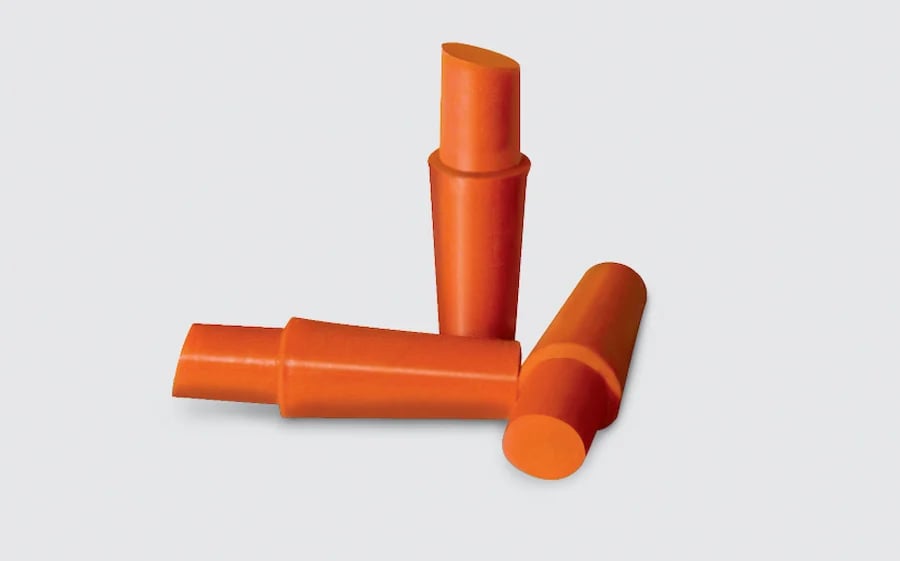
- What Is a masking plug?
- Size Chart by Product Model (Unit: mm)
- Common Types of Specialized Rubber Masking Plugs
- Role in Powder Coating, Wet Painting, and Plating Processes
- Technical Specifications and Reference Dimensions
- Material Comparison: Silicone, NBR, and EPDM
- Criteria for Selecting High-Quality Rubber Masking Plugs
- 1. Size and Tolerance
- 2. Temperature Resistance
- 3. Elasticity and Sealing Performance
- 4. Resistance to Chemicals, Oils, and Grease
- Industrial Applications of Rubber Masking Plugs
- 1. Powder Coating, Wet Painting, and Electroplating
- 2. Mechanical Manufacturing and CNC Machining
- 3. Electronics Industry
- 4. Heavy Industry, Automotive, and Oil & Gas
- Manufacturing and Custom Rubber Masking Plug Production
- 1. Silicone and Rubber Compression Molding
- 2. Dimensional Tolerance Control
- 3. Temperature Resistance Testing
- Reference Pricing for Rubber Masking Plugs by Size and Quantity
- Suitable Users and Operating Conditions
- Important Considerations When Ordering Custom Rubber Masking Plugs
- Frequently Asked Questions About Rubber Masking Plugs
- MINH FAST – Custom Rubber and Silicone Masking Plug Manufacturing
- Product Catalog
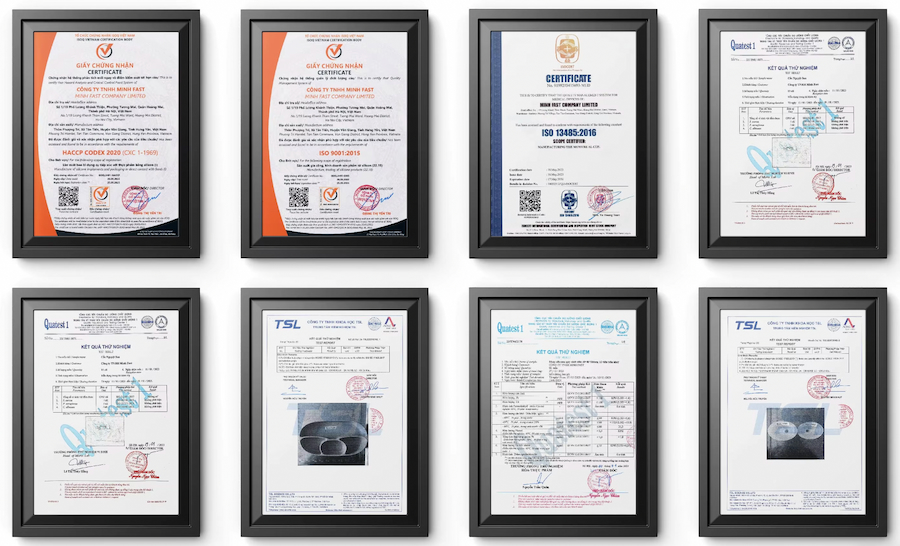
- Certification
- Packaging & Shipping
- MINH FAST COMPANY LIMITED
- Factory Location
In powder coating, wet painting, electroplating, and metal surface treatment processes, rubber masking plugs play a critical role. These products are used to protect threaded holes, bolt holes, and other openings from paint buildup and chemical contamination during surface treatment. Choosing the wrong rubber masking plug can cause an entire production batch to experience masking defects and result in additional rework costs. This article provides comprehensive information about these products to help customers select the most suitable solution for their applications.
What Is a masking plug?
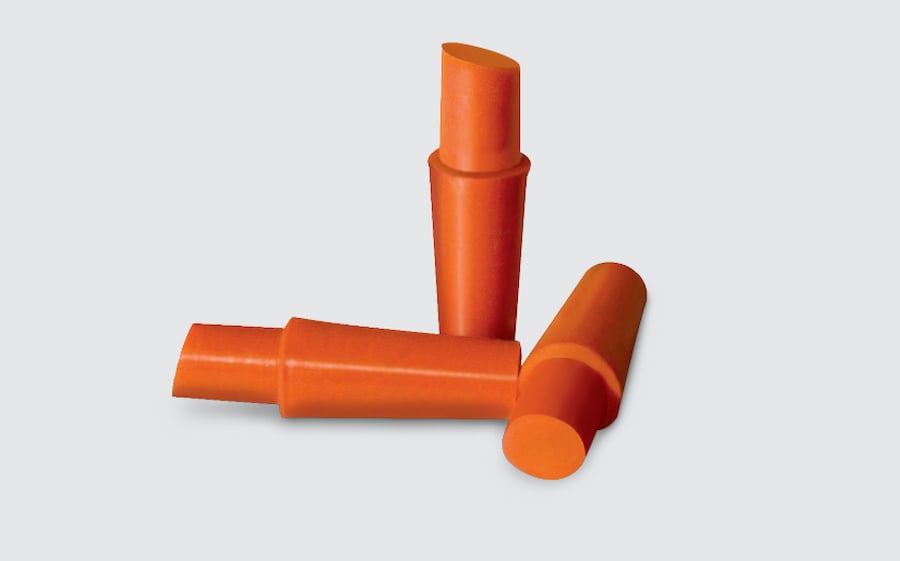
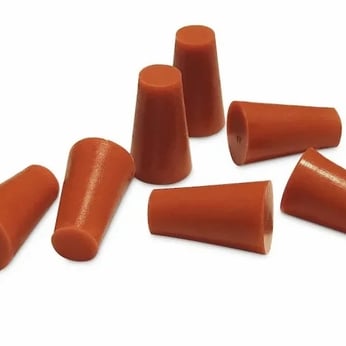
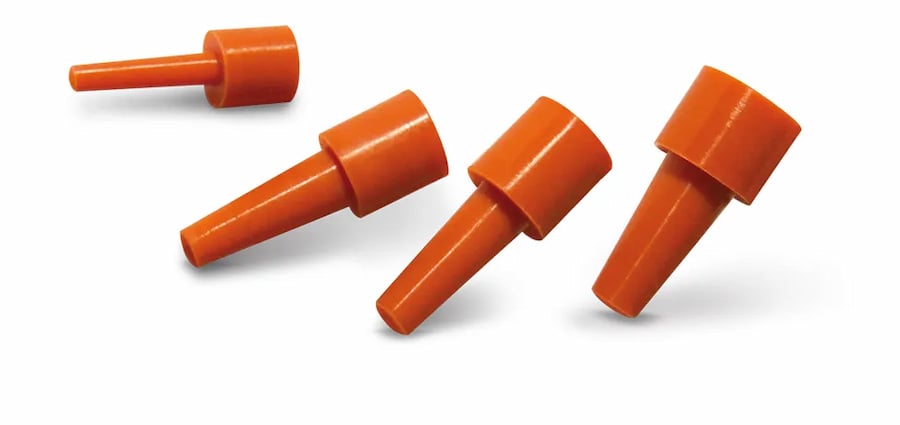
A rubber masking plug is a component made from elastic rubber or silicone. It is used to temporarily seal threaded holes, drilled holes, shaft mounting holes, and other openings during painting, plating, surface coating, or mechanical processing. After the surface treatment process is completed, the rubber plug can be removed easily due to its high elasticity. This leaves the threaded hole or opening clean and free from paint or chemical residue.
For powder coating applications, silicone products are commonly selected because of their ability to withstand elevated temperatures. Depending on the design and material formulation, these products can be used as silicone plugs for powder coating to protect holes and threaded areas during the coating process.
|
Specification |
Details |
|
Product Name |
Step Plug |
|
Application |
Used in wet painting, powder coating, and surface coating to mask drilled holes with a narrow surrounding rim and prevent paint from accumulating around threaded or drilled openings. |
|
Temperature Resistance |
Up to 260°C |
|
Design |
Features a stepped edge that helps cover and seal the area surrounding the drilled hole. |
Size Chart by Product Model (Unit: mm)
|
Product Model |
A |
B |
C |
D |
E |
Quantity/Pack |
|
SP-3 |
7.00 |
3.00 |
2.40 |
7.00 |
13.00 |
500 |
|
SP-4 |
8.00 |
5.00 |
2.80 |
8.00 |
14.00 |
500 |
|
SP-5 |
9.00 |
6.00 |
3.90 |
9.00 |
16.00 |
500 |
|
SP-6 |
10.20 |
6.40 |
4.80 |
10.20 |
16.80 |
250 |
|
SP-8 |
12.40 |
8.50 |
5.90 |
9.80 |
17.30 |
250 |
Note: The main product page provides a general description and detailed dimensions (A–E). The A, B, C, D, and E dimensions correspond to the geometric measurements of the masking plug, including diameters and step heights, according to the diagram in the original catalog.
Common Types of Specialized Rubber Masking Plugs
In surface treatment masking processes, including wet painting, powder coating, electroplating, and surface coating, two specialized types of rubber masking plugs are commonly used:
-
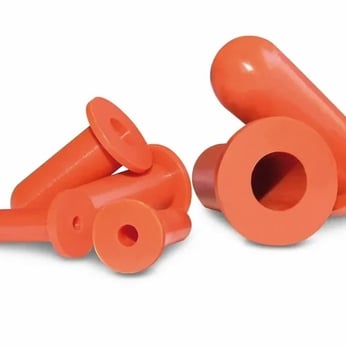
Combination plug: Features a double-ended tapered design with two diameters, d and D, connected by a tapered transition section. It can be used in two directions: the tapered side can be inserted into an opening like a conventional tapered plug with a handle, while the opposite flat side can be inserted deeper into the hole to create a thin masking layer around the hole opening.
-
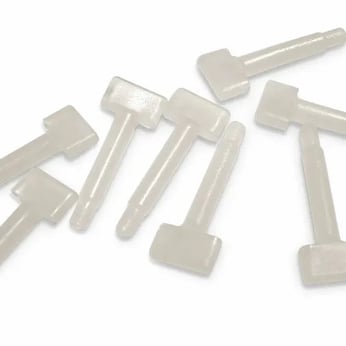
Step plug: Features a clearly defined stepped shoulder and is specifically designed to mask holes with a narrow surrounding rim. This helps prevent paint from accumulating around threaded connections or drilled-hole openings.
Role in Powder Coating, Wet Painting, and Plating Processes
In powder coating and wet painting production lines, threaded holes and assembly holes need to be masked before components enter the spray booth or plating bath. Heat-resistant rubber masking plugs are inserted directly into these locations and can withstand powder coating curing temperatures, typically 180–200°C and, for some processes, up to 260°C, without permanent deformation. This helps maintain the original dimensions of threaded holes after the surface finishing process.
For applications specifically focused on silicone masking for powder coating, silicone masking plugs can be selected according to hole dimensions, temperature requirements, and the geometry of the area that needs to remain free of coating.
Technical Specifications and Reference Dimensions
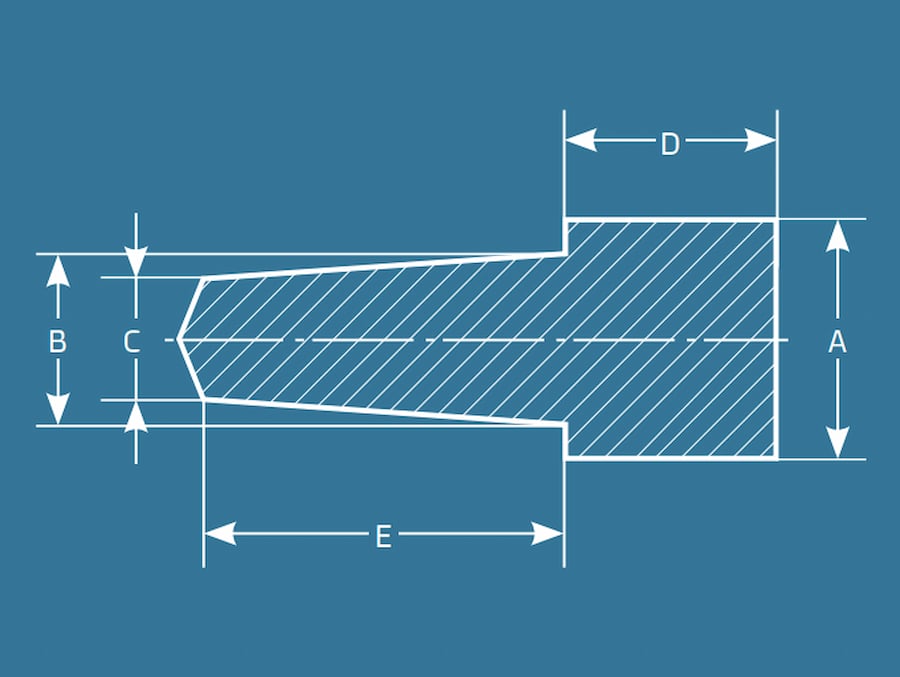

Below are reference dimensions for the two specialized masking plug types described above.
1. Combination Plug
|
Model |
d – Small Diameter (mm) |
D – Large Diameter (mm) |
l – Tapered Transition Length (mm) |
Packaging |
|
DSTS034043 |
3.40 |
4.30 |
6.50 |
1,000 pieces/box |
|
DSTS043052 |
4.30 |
5.20 |
7.40 |
1,000 pieces/box |
|
DSTS051072 |
5.10 |
7.20 |
7.30 |
1,000 pieces/box |
|
DSTS069089 |
6.90 |
8.90 |
10.00 |
1,000 pieces/box |
The combination plug is used in wet painting, powder coating, and surface coating processes. It can be used in two ways: the tapered side can function as a conventional tapered plug with a handle for direct masking, while the opposite flat side can be inserted deeper into the hole to create a thin masking layer around the opening. The product can withstand temperatures of up to 260°C.
2. Step Plug
|
Model |
A (mm) |
B (mm) |
C (mm) |
D (mm) |
E – Total Length (mm) |
Packaging |
|
SP-3 |
7.00 |
3.00 |
2.40 |
7.00 |
13.00 |
500 pieces/box |
|
SP-4 |
8.00 |
5.00 |
2.80 |
8.00 |
14.00 |
500 pieces/box |
|
SP-5 |
9.00 |
6.00 |
3.90 |
9.00 |
16.00 |
500 pieces/box |
|
SP-6 |
10.20 |
6.40 |
4.80 |
10.20 |
16.80 |
250 pieces/box |
|
SP-8 |
12.40 |
8.50 |
5.90 |
9.80 |
17.30 |
250 pieces/box |
The step plug is used in wet painting, powder coating, and surface coating processes and is specifically designed to mask holes with a narrow surrounding rim. It helps prevent paint from accumulating around threaded connections or drilled-hole openings. The product can withstand temperatures of up to 260°C.
These products may also be described in industrial searches as powder coating masking plugs or powder coating plugs caps, depending on the product terminology used by manufacturers and buyers.
Material Comparison: Silicone, NBR, and EPDM
Selecting the correct material directly affects the service life and reliability of rubber masking plugs in different operating environments.
|
Criteria |
Silicone |
NBR (Nitrile Rubber) |
EPDM |
|
Temperature Range |
-60°C to 230°C; some formulations can reach 260–300°C for short periods |
-30°C to 100–120°C |
-50°C to 150°C |
|
Oil and Fuel Resistance |
Poor |
Very good |
Poor |
|
Weather, Ozone, and UV Resistance |
Very good |
Moderate |
Very good |
|
Chemical and Mild Acid/Alkali Resistance |
Good |
Moderate |
Good |
|
High-Temperature Elasticity |
Very good and stable |
Decreases near the maximum temperature limit |
Good |
|
Common Masking Plug Applications |
Powder coating, high-temperature curing, medical, and food industries |
Oil and fuel lines, oil seals and gaskets |
Outdoor hole masking, water and ozone exposure |
|
Reference Density |
Approximately 1.35 g/cm³ |
1.0–1.3 g/cm³ |
1.0–1.3 g/cm³ |
For powder coating processes with high curing temperatures of 150–200°C or above, silicone is commonly selected because it can maintain stable elasticity at elevated temperatures without becoming excessively hard or undergoing permanent deformation. This makes silicone suitable for both combination plugs and step plugs used in high-temperature coating masking applications.
For applications requiring silicone caps for powder coating, the material should likewise be selected according to the actual curing temperature and exposure conditions rather than based on temperature rating alone.
Criteria for Selecting High-Quality Rubber Masking Plugs
1. Size and Tolerance
The plug dimensions must match the diameter of the hole being masked with an appropriate tolerance. For small models such as the DSTS or SP series mentioned above, a tolerance of approximately ±0.1–0.2 mm is commonly referenced to provide a secure fit while still allowing easy installation and removal. A plug that is too tight may be difficult to remove, while a plug that is too loose may allow paint or chemicals to enter the hole.
2. Temperature Resistance
The actual operating temperature of the curing oven or treatment bath should be clearly determined. Powder coating commonly involves temperatures of 150–200°C, while some specialized coating processes can reach 260°C. This information is necessary to select the appropriate silicone or heat-resistant rubber formulation.
For demanding applications, high temp silicone plugs for powder coating may be considered when the masking components are exposed to elevated curing temperatures. The actual temperature resistance should be confirmed according to the specific material formulation and process conditions.
3. Elasticity and Sealing Performance
Hardness, measured on the Shore A scale, directly affects sealing performance and durability during repeated installation and removal. A plug that is too hard may scratch the surface of a threaded hole, while one that is too soft may deform easily and have a shorter service life. Common hardness ranges for industrial silicone masking plugs are approximately 30–80 Shore A, depending on elasticity requirements and hole dimensions.
4. Resistance to Chemicals, Oils, and Grease
For production lines involving lubricating oils, fuels, or industrial solvents, NBR should generally be considered instead of standard silicone. Silicone has significantly lower oil resistance than NBR during prolonged exposure to oily environments.
Industrial Applications of Rubber Masking Plugs
1. Powder Coating, Wet Painting, and Electroplating
This is one of the most common applications. Rubber masking plugs are used to protect bolt threads, shaft mounting holes, screw holes, and other openings before components enter a spray booth or plating bath. This helps prevent paint or chemicals from accumulating inside threads and reduces the need for post-treatment cleaning. Both combination plugs and step plugs are designed for this type of application.
Silicone masking products are particularly suitable when the process involves elevated curing temperatures. Depending on the design, these products can serve as silicone plugs, caps, or other masking components for powder coating operations.
2. Mechanical Manufacturing and CNC Machining
Rubber masking plugs are used to protect machined surfaces and precision threaded holes during heat treatment, sandblasting, shot blasting, and other surface finishing processes before assembly.
3. Electronics Industry
Small silicone plugs can be used to cover connection ports and component mounting holes during housing coating processes. They can also help protect connectors from dust and moisture during manufacturing.
4. Heavy Industry, Automotive, and Oil & Gas
In environments involving oils, fuels, or elevated operating temperatures, NBR or heat-resistant EPDM rubber plugs are also commonly used. These products protect assembly ports and pipe connections during machining, transportation, or equipment maintenance.
Manufacturing and Custom Rubber Masking Plug Production
1. Silicone and Rubber Compression Molding
Industrial rubber masking plugs are commonly manufactured using compression molding or liquid silicone rubber (LSR) injection molding. The selected process depends on the complexity of the product geometry and the required production volume. For large-volume orders, dedicated molds help maintain consistent dimensions between production batches.
2. Dimensional Tolerance Control
Products should be inspected using calipers or 2D/3D measurement equipment after molding to ensure that dimensional deviations remain within the specified tolerance before shipment. This is particularly important for multi-step products such as the step plug models with A, B, C, D, and E dimensions, as well as combination plugs with d, D, and l dimensions.
3. Temperature Resistance Testing
For orders used in powder coating or high-temperature surface coating, customers should consider requesting actual heat-resistance test results from the manufacturer. Testing can be performed at the relevant curing temperature for the standard process duration, up to 260°C, before placing large-volume orders.
Reference Pricing for Rubber Masking Plugs by Size and Quantity
The processing price of rubber masking plugs depends on several factors, including product dimensions, wall thickness, material (silicone/NBR/EPDM), required hardness, order quantity, and whether a new mold is required. The following reference range can help customers estimate initial costs.
|
Size |
Material |
Order Quantity |
Reference Price* |
|
Small (equivalent to DSTS034043–SP-4) |
Heat-resistant Silicone |
From 500–1,000 pieces |
Contact for quotation |
|
Medium (equivalent to DSTS051072–SP-6) |
Heat-resistant Silicone |
From 250–1,000 pieces |
Contact for quotation |
|
Large (equivalent to DSTS069089–SP-8 and above) |
Silicone/NBR |
From 250 pieces |
Contact for quotation |
|
Custom Size, Dedicated Mold |
According to requirements |
According to agreed MOQ |
Contact for quotation |
The actual unit price depends on whether an existing mold can be used or a new mold needs to be manufactured, as well as the selected material and order quantity. Please contact Minh Fast directly for an accurate quotation based on the technical drawing or product sample.
Suitable Users and Operating Conditions
-
Mechanical and metalworking companies: Require protection for threaded holes and machined surfaces during heat treatment, shot blasting, and coating.
-
Powder coating, wet painting, and electroplating companies: Require heat-resistant masking plugs that remain stable in curing ovens and can be reused multiple times to optimize production costs.
-
Electronics and component manufacturers: Require small, accurately dimensioned plugs to protect connection ports and component mounting holes.
-
Heavy industry, automotive, and oil & gas companies: Require materials with better resistance to oil and chemicals than conventional silicone, with NBR or EPDM often being considered.
-
Operating conditions: The operating temperature should be clearly determined before ordering so that the appropriate material formulation can be selected. The hole surface should also be cleaned before installation to achieve an effective fit.
Important Considerations When Ordering Custom Rubber Masking Plugs
1. Dimensions and Shape
Customers should provide a technical drawing or physical sample, including hole diameter, hole depth, and step or tapered geometry, so that the manufacturer can produce an accurate mold from the beginning. This helps minimize additional mold modification costs.
2. Minimum Order Quantity (MOQ)
For products using existing molds and standard dimensions, such as the DSTS or SP models mentioned above, the minimum order quantity is generally lower than for products requiring a dedicated custom mold. Customers should discuss the appropriate MOQ with the manufacturer according to their budget and actual usage frequency.
3. Hardness and Color
Customers can request customized Shore A hardness and colors to distinguish different product lines or installation positions on the same machined component. These requirements can be discussed directly with the manufacturer.
4. Production Lead Time
Orders using existing molds generally have a shorter lead time. Orders requiring a new custom mold will need additional time for mold manufacturing before mass production can begin. Customers should discuss the required schedule with the manufacturer in advance.
Frequently Asked Questions About Rubber Masking Plugs
1. What temperature can rubber masking plugs withstand?
The temperature resistance depends on the material. Heat-resistant silicone commonly operates from -60°C to 230°C, while some formulations can reach 260°C. This includes specialized combination and step plugs used in powder coating applications. NBR and EPDM generally have lower temperature limits, approximately 100–150°C.
2. What is the difference between a combination plug and a step plug?
A combination plug features a double-ended tapered design and can be used either as a conventional tapered plug with a handle or to create a thin masking layer around a hole opening. A step plug has a clearly defined stepped shoulder and is specifically designed for holes with a narrow surrounding rim to prevent paint from accumulating around threaded or drilled openings.
3. Should I choose silicone, NBR, or EPDM for hole masking?
For high-temperature curing environments such as powder coating, silicone is generally selected. For environments involving oil or fuel, NBR is generally preferred. For outdoor applications involving water and ozone exposure, EPDM is commonly considered.
4. Can rubber masking plugs be custom manufactured?
Yes. Minh Fast manufactures products according to customer drawings or physical samples and can customize dimensions, wall thickness, hardness, and color according to the application requirements.
5. What is the minimum order quantity?
The MOQ depends on whether an existing mold can be used or a dedicated mold is required. Customers should contact Minh Fast directly for advice on the appropriate minimum quantity for each product type.
6. Can silicone masking plugs be reused multiple times?
Yes. Due to their elasticity, high-quality silicone masking plugs can be installed and removed multiple times while maintaining their original shape. This can help optimize long-term usage costs in production environments.
MINH FAST – Custom Rubber and Silicone Masking Plug Manufacturing
At Minh Fast, we specialize in manufacturing custom industrial rubber and silicone products. Our product range includes rubber masking plugs and silicone masking components for powder coating, wet painting, electroplating, mechanical manufacturing, and electronics applications. With molding systems and an experienced technical team, Minh Fast can manufacture products in various dimensions, wall thicknesses, and hardness levels according to customer drawings or physical samples. We can support both small and large-volume orders with competitive pricing policies.
For technical consultation and an accurate quotation based on dimensions, material, and order quantity, please contact our hotline.
See also:

Product Catalog
Certification
Packaging & Shipping


MINH FAST COMPANY LIMITED
Head Office: No. 1/19 Luong Khanh Thien Street, Tuong Mai Ward, Hanoi, Vietnam
Phone / Zalo / WhatsApp: +84 8899 14599
Email: Thamsiliconetkv@gmail.com | Minhfastsales@gmail.com
YouTube: Minh Fast Silicone Channel