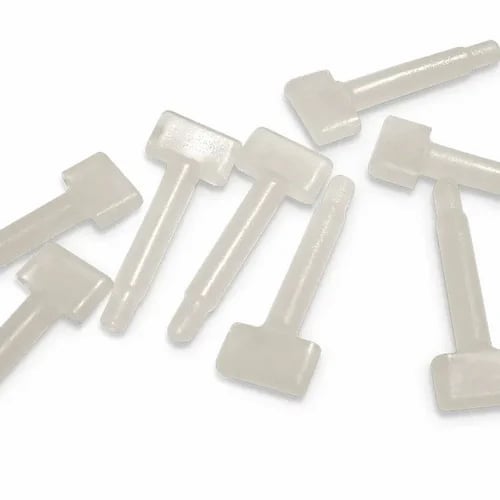
- What Are rubber hole plugs?
- The Role of Rubber Plugs in the Masking Process
- Prevent Chemicals from Entering Threads
- Prevent Paint from Entering Screw Holes
- Protect Tube Ends and Ports During Surface Treatment
- Technical Criteria for Selecting Silicone Rubber Hole Plugs
- Thread or Hole Size to Be Masked
- Temperature Resistance for Each Surface Treatment Process
- Elasticity for Complete Sealing
- Reusability
- Product Specifications: Butterfly Plug
- Reference Pricing by Size and Order Quantity
- Suitable Users and Operating Conditions
- Material Comparison by Application
- Important Considerations When Ordering Custom Rubber Hole Plugs
- Frequently Asked Questions
- Minh Fast – Custom Silicone Rubber Hole Plug Manufacturing, Fast Delivery, Competitive Pricing
- Product Catalog
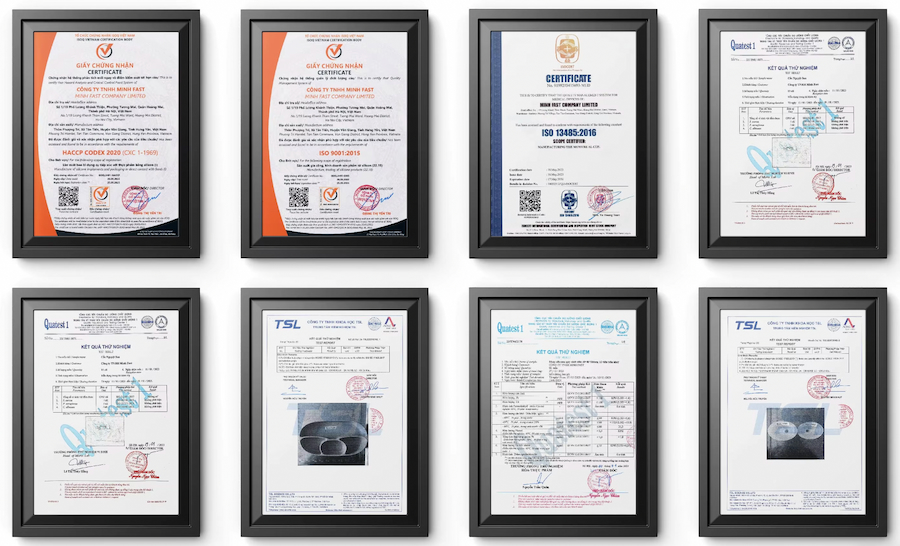
- Certification
- Packaging & Shipping
- MINH FAST COMPANY LIMITED
- Factory Location
During industrial painting, electroplating, or anodizing processes, one recurring technical challenge in most surface treatment facilities is how to completely seal threaded holes, ports, or tube ends on components before they are placed into chemical baths or paint booths. Without proper masking, paint may bleed into threads, powder coating particles may accumulate inside holes, or electroplating solutions may penetrate deep into thread grooves, forcing the component to be reworked from the beginning. This results in additional material consumption, production downtime, and higher operating costs. Rubber plugs for hole masking are one of the most commonly used solutions for addressing this issue.
What Are rubber hole plugs?
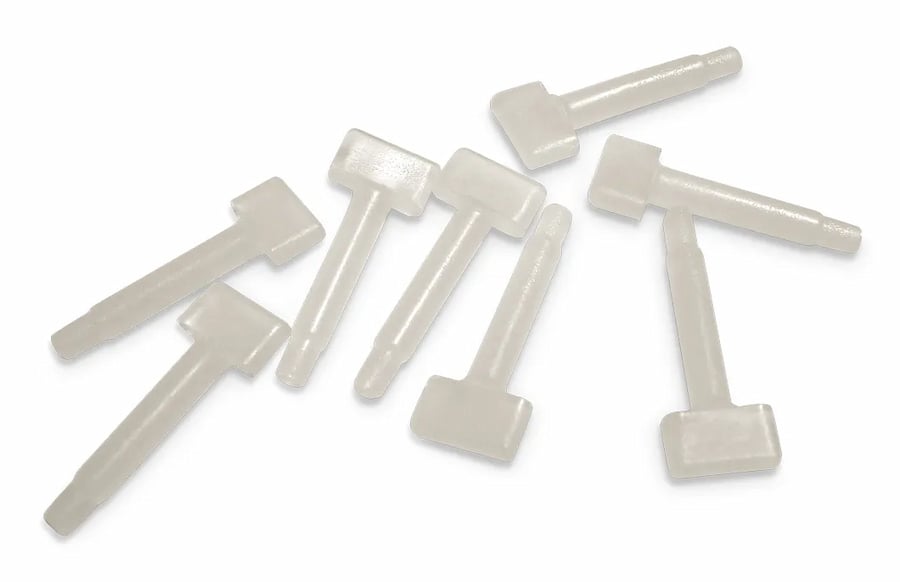
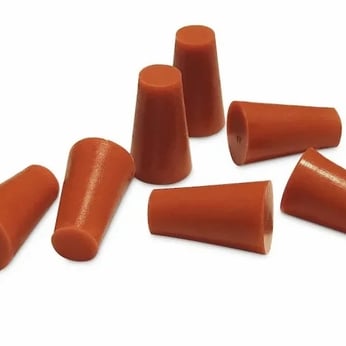
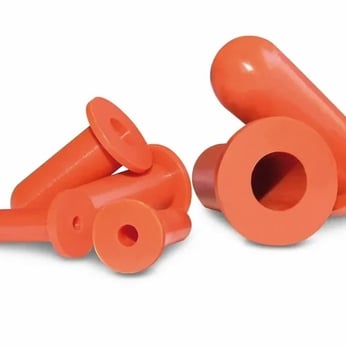
Rubber hole plugs are specialized masking accessories installed directly into threaded holes or ports on mechanical components to prevent chemicals, paint, or powder coating from coming into contact with protected areas during surface treatment. They are an essential part of the masking process before components undergo painting, electroplating, or anodizing.
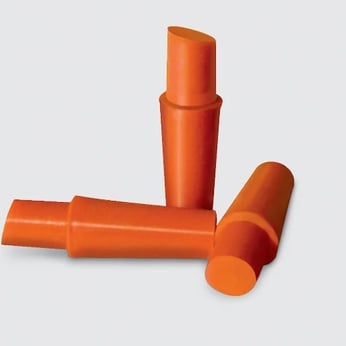
Depending on the application, similar products may also be referred to as a silicone end cap, silicone rubber caps, or silicone rubber end caps when manufactured from heat-resistant silicone rubber. For applications involving tube openings, silicone tube end caps can also be used to protect tube ends from paint, chemicals, dust, and other contaminants.
The Role of Rubber Plugs in the Masking Process
Prevent Chemicals from Entering Threads
In anodizing or electroplating baths, electrical current and chemicals can penetrate individual thread grooves if they are not properly sealed. This may cause corrosion or damage to threaded surfaces that must maintain their dimensional accuracy for subsequent assembly.
Prevent Paint from Entering Screw Holes
For wet painting or powder coating processes, silicone rubber hole plugs help keep threaded holes clean and free from coating materials. This eliminates the need to re-tap threads or manually scrape away paint after the painting process, which can be time-consuming and may damage the threads.
Protect Tube Ends and Ports During Surface Treatment
In addition to threaded holes, rubber plugs can be used to seal tube ends, air ports, and connection ports on assembled components. They help prevent foreign particles or chemicals from entering tubing and internal passages while the entire assembly undergoes surface treatment.
For applications where tube openings need to be protected during high-temperature processing, silicone rubber end caps are commonly considered because silicone rubber can be formulated for higher-temperature environments. Depending on the design, these products may also be specified as silicone rubber blanking end caps.
Technical Criteria for Selecting Silicone Rubber Hole Plugs
Thread or Hole Size to Be Masked
This is the first factor that must be determined accurately. The diameter and thread pitch should be measured before selecting the appropriate plug. For non-threaded holes, the hole diameter should be measured precisely. A plug that is too small may not provide sufficient sealing, while a plug that is too large may deform or damage the thread when forced into position.
Temperature Resistance for Each Surface Treatment Process
This is one of the most easily overlooked criteria, yet it directly determines whether the plug can withstand the complete processing cycle. Different surface treatment technologies operate at different temperature ranges, so the plug material must be selected accordingly. A plug used for anodizing, which typically operates from room temperature to approximately 80°C, cannot simply replace a plug designed to withstand the curing temperature of powder coating, which is often above 180°C.
Elasticity for Complete Sealing
The material must be sufficiently flexible to conform closely to thread grooves or hole walls while maintaining enough elasticity to prevent permanent deformation after removal. This allows the plugs to be reused for subsequent production batches.
Reusability
For production facilities where components are continuously loaded and unloaded, rubber plugs need to be durable enough to withstand hundreds of installation and removal cycles without tearing, becoming excessively hardened, or losing their original sealing performance. This factor has a direct impact on the long-term operating costs of the facility.
Product Specifications: Butterfly Plug
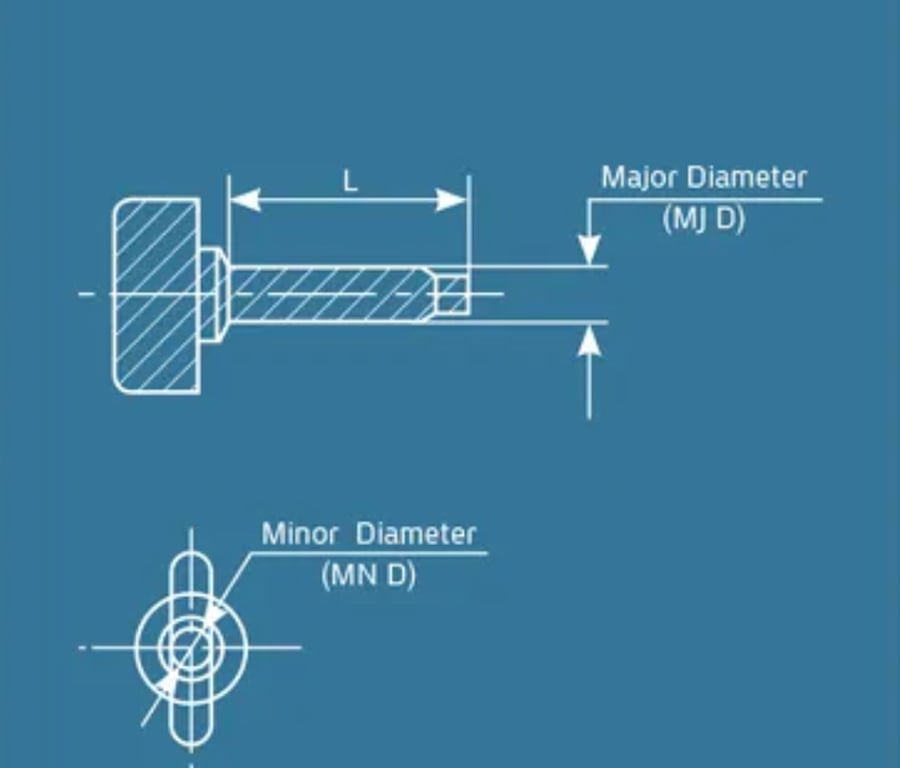
Construction and Material
The butterfly-style rubber hole plug is manufactured from soft plastic. Its top section features two symmetrical wings that allow quick manual installation and removal. The body is designed in a tapered or threaded cylindrical form to fit directly into the threaded hole that needs to be protected.
|
Specification |
Published Value |
|
Material |
Soft plastic |
|
Maximum temperature resistance |
80°C |
|
Main application |
Thread masking during anodizing or electroplating; hermetic sealing of threaded sections |
|
Handling design |
Butterfly-shaped design for quick manual installation and removal |
Standard Size Chart by Thread Size
|
Product Code |
American Thread |
Metric Thread |
MJ D – Outer Diameter (mm) |
MN D – Inner Diameter (mm) |
L – Length (mm) |
|
TNM 0082 |
#2 |
M2 |
2.10 |
1.60 |
16.80 |
|
TNM 0106 |
#4 |
M2.5 |
2.70 |
2.20 |
17.00 |
|
TNM 0131 |
#6 |
M3 |
3.30 |
2.70 |
18.50 |
|
TNM 0156 |
#8 |
M3.5 |
4.00 |
3.50 |
19.80 |
|
TNM 0171 |
#10 |
M4 |
4.30 |
3.60 |
20.10 |
|
TNM 0186 |
#12 |
M4.5 |
4.70 |
3.80 |
20.40 |
|
TNM 0212 |
1/4 |
M5 |
5.40 |
4.60 |
20.50 |
|
TNM 0270 |
5/16 |
M6 |
6.90 |
5.30 |
21.40 |
Practical Applications
-
Masking bolt and screw threads on aluminum components before anodizing.
-
Sealing threaded holes in metal frames and brackets during electroplating processes such as zinc or chrome plating.
-
Protecting ports and tube connections on assembled components during wet painting.
Reference Pricing by Size and Order Quantity
The processing cost of rubber hole plugs mainly depends on three factors: thread or hole dimensions, material selection, such as soft plastic with lower temperature resistance or high-temperature rubber/silicone, and the quantity ordered.
|
Size Group |
Order Quantity |
Pricing Notes |
|
Small threads (for small screws and bolts) |
Below 1,000 pieces |
Higher unit price because mold costs are distributed across a smaller quantity |
|
Medium threads (commonly used in machine frames and brackets) |
1,000–5,000 pieces |
Common pricing range for small and medium-sized factory orders |
|
Large threads or special specifications |
More than 5,000 pieces |
Optimized unit pricing for large-volume orders due to better allocation of initial mold costs |
Because thread dimensions and temperature-resistance requirements vary between factories, customers are advised to provide a technical drawing or an actual thread sample so that the dimensions can be measured and an accurate quotation can be prepared according to the required specifications.
Suitable Users and Operating Conditions
Butterfly-style rubber hole plugs are suitable for the following customer groups:
-
Anodizing facilities: Used to mask aluminum threads before immersion in an anodizing bath, helping prevent oxide formation inside thread grooves.
-
Electroplating facilities: Used to protect threaded holes from electrical current and corrosive plating solutions in electroplating baths.
-
Powder coating facilities: Used together with higher-temperature-resistant plugs during the post-coating curing process.
-
Wet painting facilities: Used to mask threaded holes and ports during manual or semi-automatic spray painting.
Material Comparison by Application
Not every plug material is suitable for every surface treatment technology. The table below provides a quick reference before placing an order:
|
Material |
Temperature Resistance |
Main Application |
Technical Notes |
|
Soft plastic |
Up to approximately 80°C |
Anodizing and electroplating |
Butterfly-style plug with quick manual handling; not suitable for powder-coating curing ovens |
|
High-temperature-resistant rubber/silicone |
Up to 260°C depending on the product series |
Powder coating and high-temperature curing |
Required for powder-coating curing cycles, typically 180–220°C |
|
NBR rubber |
Approximately -30°C to 100°C |
Environments containing oil and industrial lubricants |
Not suitable for high-temperature curing cycles |
|
EPDM |
Approximately -50°C to 150°C |
Outdoor environments and water-based chemicals |
Suitable for some plating processes involving moisture exposure |
The most important material-selection principle is to match the plug material to the operating temperature and process conditions. Plugs used for anodizing, where operating temperatures are relatively low, do not necessarily require high-temperature materials such as silicone. In contrast, plugs used during powder-coating curing must be made from high-temperature-resistant rubber or silicone. Using an 80°C soft-plastic plug in a curing oven above 180°C may cause the plug to melt or deform during the process.
Important Considerations When Ordering Custom Rubber Hole Plugs
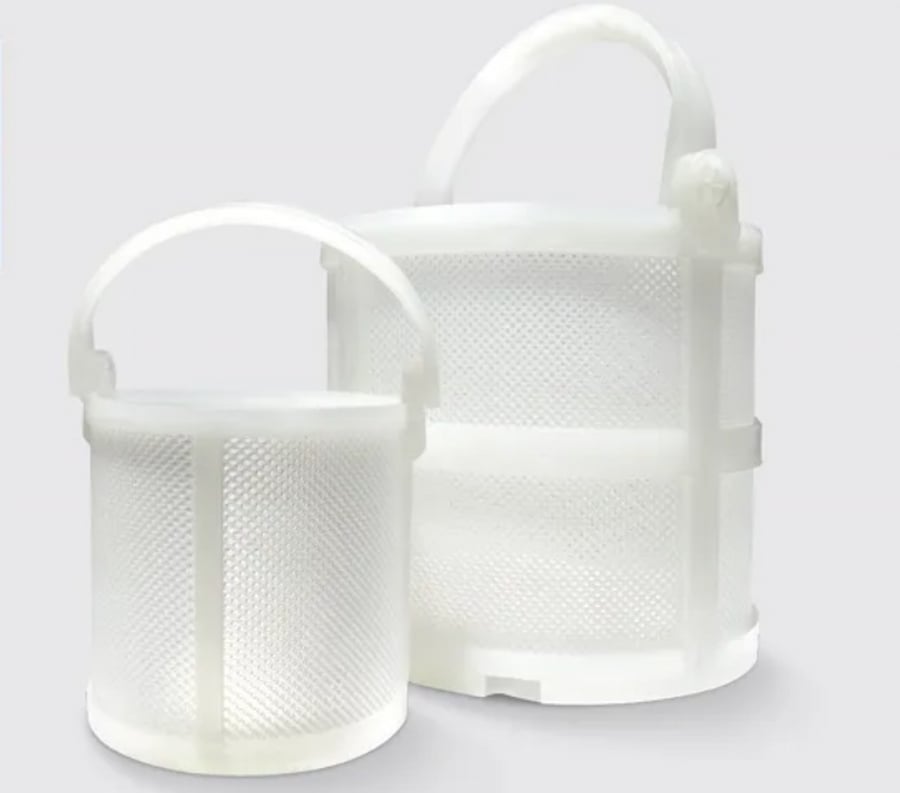
Minimum Order Quantity
Because each thread size and material hardness, measured in Shore A, may require a dedicated compression mold, manufacturers commonly apply a minimum order quantity based on the scale and cost of the mold. Customers should discuss the expected order volume in advance to determine the most cost-effective solution for the initial mold investment, especially when the required thread size has not been manufactured previously.
Production Lead Time
For a completely new design that requires a mold to be manufactured from scratch, production time will be considerably longer than for an order using an existing mold. Customers should plan ahead when the required thread size is a special specification that is not included in common standard size ranges.
Information Required When Placing an Order
-
Thread dimensions or the diameter of the hole to be sealed, measured directly or provided through a CAD drawing.
-
The surface treatment technology to be used, such as anodizing, electroplating, powder coating, or wet painting, in order to determine the required temperature-resistance level.
-
Material hardness, measured in Shore A, and the preferred material type.
-
Required quantity and expected delivery schedule.
Frequently Asked Questions
Can butterfly-style rubber hole plugs be used for powder coating?
They are not recommended. Butterfly-style plugs made from soft plastic can withstand temperatures of only up to 80°C, while powder-coating curing cycles typically operate at 180–220°C. For powder coating, high-temperature-resistant rubber or silicone plugs should be selected instead.
Why is it necessary to distinguish plugs for anodizing from plugs for powder coating?
The two technologies operate within significantly different temperature ranges. Using the wrong material, such as an 80°C soft-plastic plug in a powder-coating curing oven, may cause the plug to melt or deform during processing and compromise the component being protected.
How many times can rubber hole plugs be reused?
The number of reuse cycles depends on the material quality and the frequency of exposure to heat and chemicals. With suitable materials and proper storage, plugs can potentially be reused hundreds of times before replacement is required due to hardening or loss of elasticity.
Can custom rubber hole plugs be manufactured for special thread sizes that are not commercially available?
Yes. These products can commonly be manufactured using dedicated molds based on the customer's actual thread dimensions. Custom production is therefore not limited to standard thread sizes available on the market.
Rubber hole plugs are essential masking accessories used before painting, electroplating, or anodizing. They help protect threads, ports, and tube openings from chemicals, paint, and coating particles throughout the surface treatment process. Selecting the correct material according to the temperature range and process conditions is critical to achieving reliable protection and long service life. Soft plastic can be suitable for lower-temperature applications such as anodizing, while high-temperature-resistant rubber or silicone is required for powder-coating curing processes.
For applications involving tube openings, silicone tube end caps can provide a practical masking solution. Depending on the component design and sealing requirements, manufacturers may also specify silicone rubber blanking end caps for temporarily closing and protecting openings during manufacturing and surface treatment.
Minh Fast – Custom Silicone Rubber Hole Plug Manufacturing, Fast Delivery, Competitive Pricing
Minh Fast (giacongsilicone.com) specializes in custom manufacturing rubber plugs and rubber hole plugs for industrial applications, offering a wide range of sizes and material options for different operating conditions. Products can be customized according to thread dimensions, temperature resistance, and material hardness based on customer samples, drawings, or technical specifications.
Wide Range of Custom Manufacturing Options
-
Customized dimensions, thread types, and specifications according to customer requirements.
-
Material and hardness selection according to the intended application.
-
Solutions designed to meet specific temperature-resistance and operating-condition requirements.
-
Production available from prototypes and sample orders to large-volume manufacturing.
With experience supplying masking accessories for anodizing, electroplating, powder coating, and wet painting industries, Minh Fast supports customers in selecting suitable materials and specifications based on their technical requirements, helping ensure consistent product quality and reliable delivery schedules.

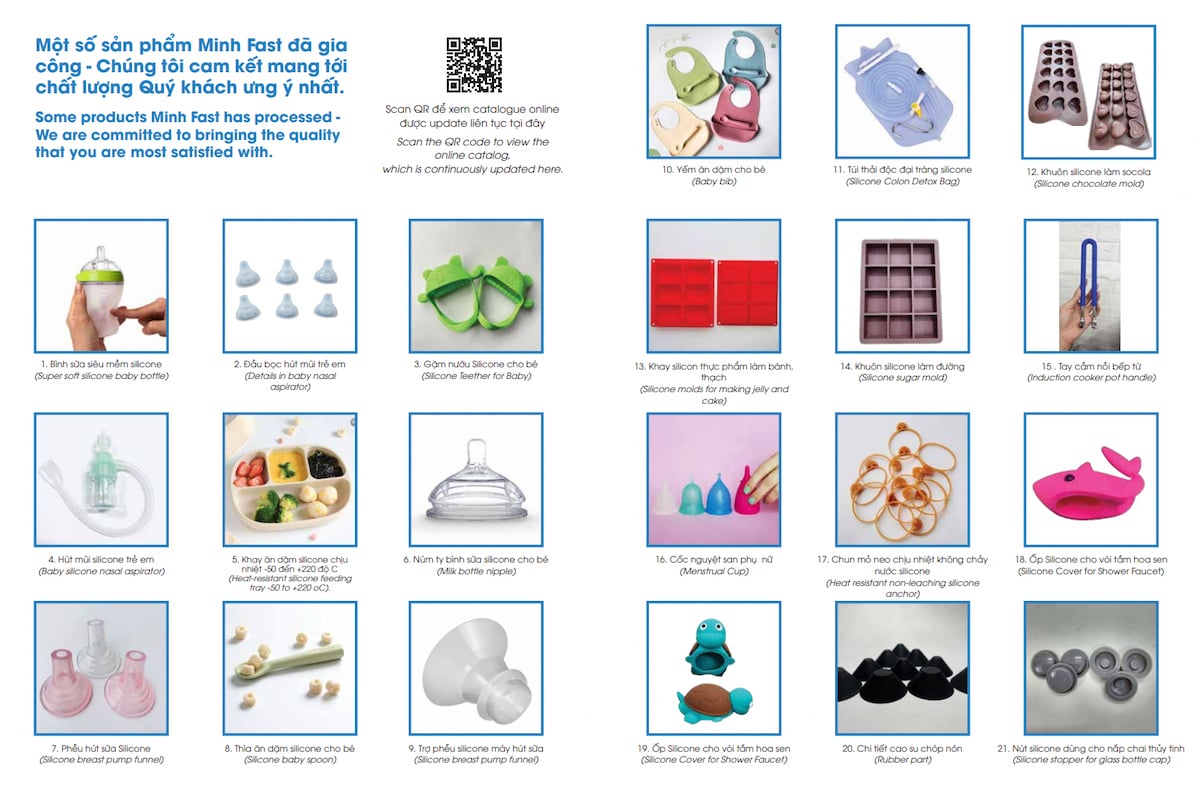
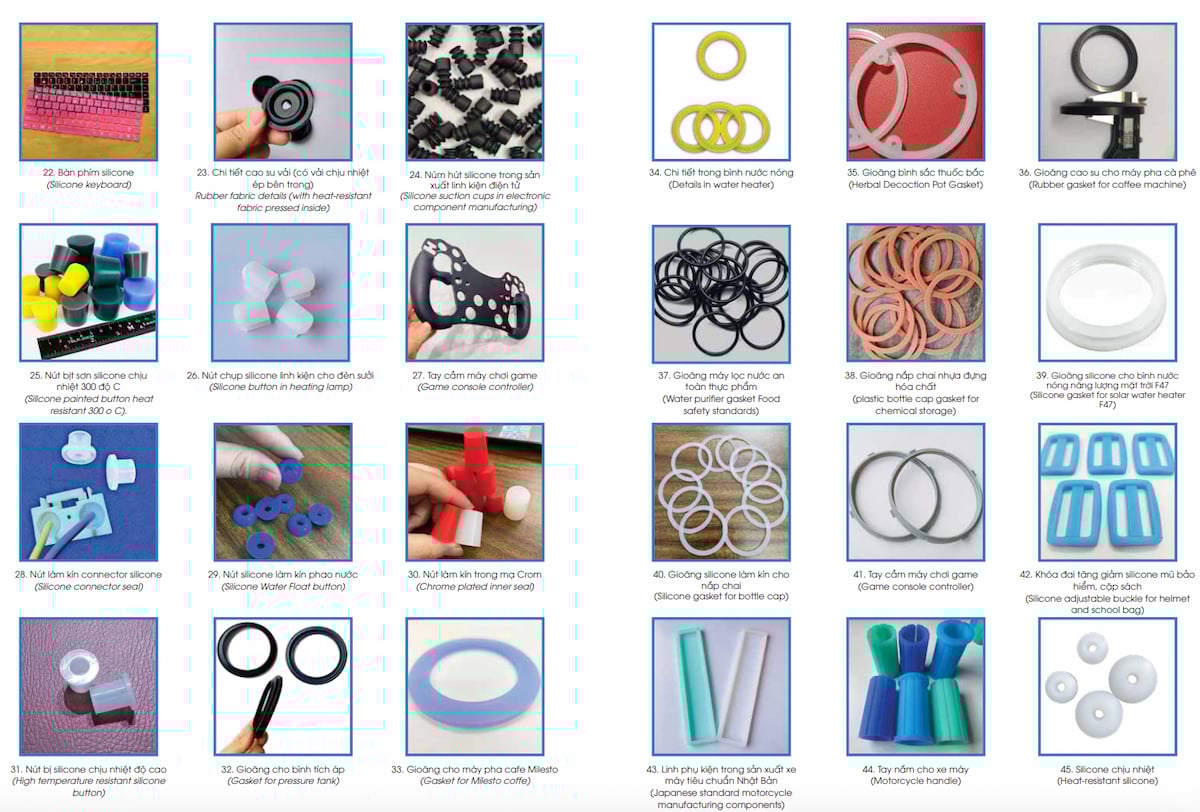
Product Catalog
Certification
Packaging & Shipping


MINH FAST COMPANY LIMITED
Head Office: No. 1/19 Luong Khanh Thien Street, Tuong Mai Ward, Hanoi, Vietnam
Phone / Zalo / WhatsApp: +84 8899 14599
Email: Thamsiliconetkv@gmail.com | Minhfastsales@gmail.com
YouTube: Minh Fast Silicone Channel