Silicone Screw Cap & Rubber Screw Cap – Thread Protection and Paint Masking Solutions
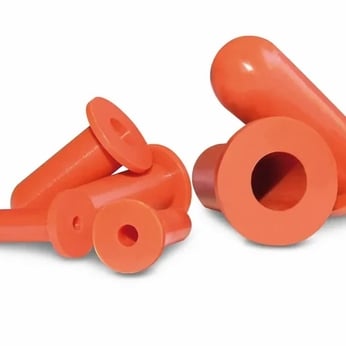
A silicone screw cap or rubber screw cap is a protective component designed to cover threaded holes, screw heads, studs and other exposed areas during manufacturing and surface treatment processes. These flexible caps are commonly used in powder coating, electrostatic painting, wet painting, machining, anodizing and other industrial applications.
By covering the areas that should remain free from paint, dust, moisture or chemicals, these products help protect critical surfaces and reduce the need for additional cleaning or rework after finishing.
What Is a Silicone Screw Cap?
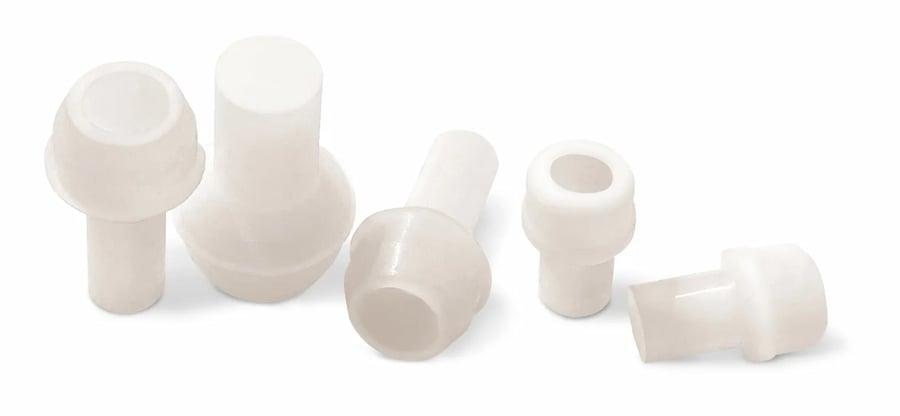
A silicone screw cap is a flexible masking and protection component made from silicone rubber. It is designed to fit over or into a specific opening, threaded hole, stud or screw head to prevent unwanted coating or contamination.
Silicone is commonly selected for masking applications because of its flexibility, elasticity and resistance to elevated temperatures. Depending on the product design and silicone grade, the cap can be removed and reused many times.
In industrial production, silicone screw caps are particularly useful when a threaded section must remain clean and functional after powder coating, painting or other surface treatment processes.
What Is a Rubber Screw Cap?
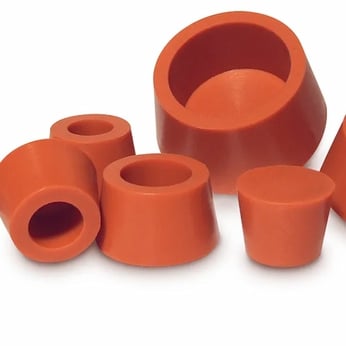
A rubber screw cap is a protective cap manufactured from flexible rubber materials and used to cover screw heads, threaded openings, studs or other exposed components. The elastic body allows the cap to grip the protected area securely while still allowing easy installation and removal.
Rubber screw caps are available in different shapes, sizes, hardness levels and material grades. The appropriate material depends on factors such as operating temperature, chemical exposure, UV exposure, oil contact and the specific manufacturing process.
Rubber Screw Stopper vs. Screw Cap
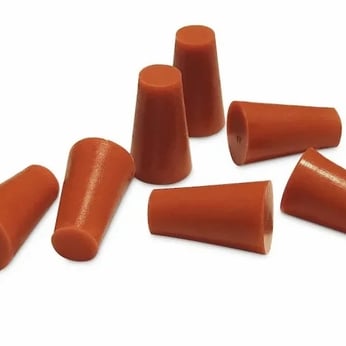
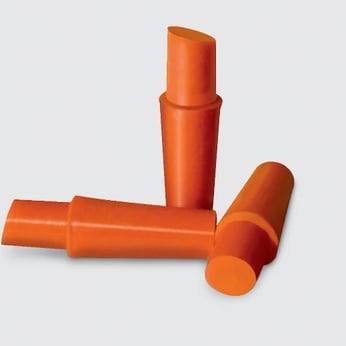
The term rubber screw stopper is often used for a rubber plug designed to close or protect a threaded opening. While the terminology may vary between industries, the basic purpose is similar: preventing paint, dust, moisture or other contaminants from entering an opening.
Screw caps generally refer to components that cover a screw, stud or opening, while stoppers are often designed to close or plug an opening. The actual shape should be selected according to the geometry and dimensions of the part being protected.
Rubber Caps for Screw Heads
Rubber caps for screw heads are designed to cover exposed screw heads and prevent them from being coated or contaminated during production. They are especially useful when the screw head must remain visible, functional or clean after painting and surface finishing.
The flexible rubber construction allows the cap to fit over different screw-head profiles. Depending on the application, caps can be manufactured in various diameters, lengths, wall thicknesses and hardness levels.
How Do Silicone and Rubber Screw Caps Work?
Thread and Surface Protection
The cap covers the designated area before painting, coating or surface treatment. Once installed, it creates a physical barrier between the protected surface and the coating material.
This helps keep threads, screw heads, holes and other critical surfaces clean and reduces the possibility of paint buildup that could affect assembly or component performance.
Paint Masking
During powder coating, electrostatic painting or wet painting, certain areas of a component may need to remain uncoated. A flexible masking cap provides a simple way to isolate these areas before the finishing process.
After the coating process is completed, the cap can be removed to reveal the protected surface with minimal additional finishing work.
Easy Installation and Removal
Flexible rubber and silicone materials allow the products to be installed by hand in many applications. Their elastic properties provide a secure fit while making removal easier after painting or surface treatment.
Reusable Design
Depending on the material, temperature, chemicals and working conditions, silicone and rubber masking products can be reused for multiple production cycles. Proper selection and handling can help extend product life and reduce masking costs.
Applications of Silicone and Rubber Screw Caps
These protective products can be used across a wide range of industrial manufacturing processes, including:
- Powder coating and electrostatic painting
- Wet painting and surface finishing
- Anodizing and metal treatment
- Machining and metal fabrication
- Automotive component manufacturing
- Electrical and electronic components
- Mechanical equipment and industrial machinery
- Protection of threaded holes and screw heads
- Protection of studs, pins and other exposed surfaces
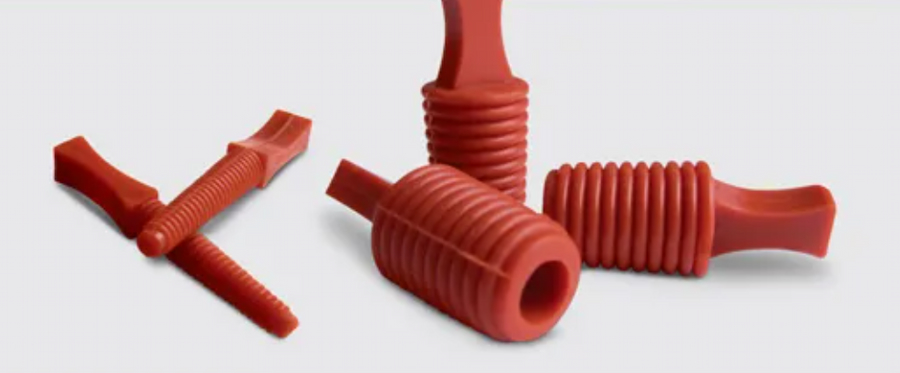
Available Types of Screw Protection Plugs
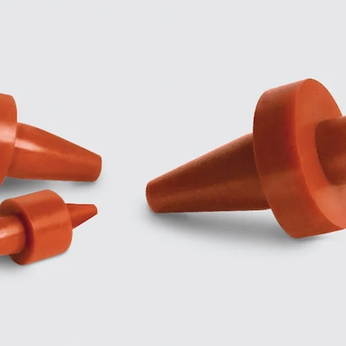
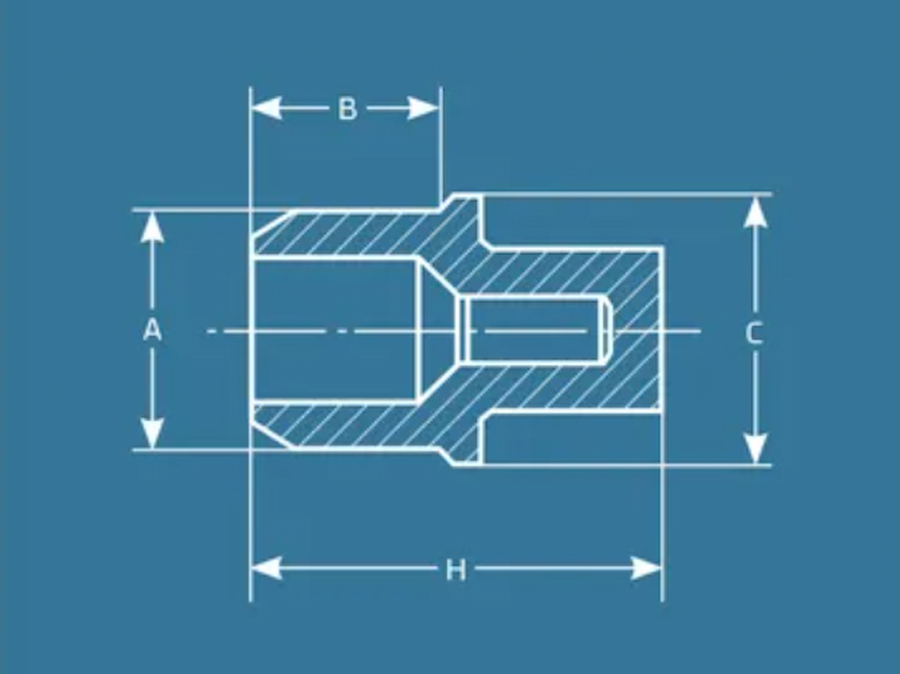
TMP Series – Threaded Hole Protection Plugs
TMP plugs are designed for applications where threaded or blind holes need to be protected during painting and surface treatment. Their shape provides a practical solution for inserting the plug into the required opening while protecting the internal area from coating materials.
Different dimensions are available to accommodate various hole sizes. Short and long configurations can be selected according to hole depth and application requirements.
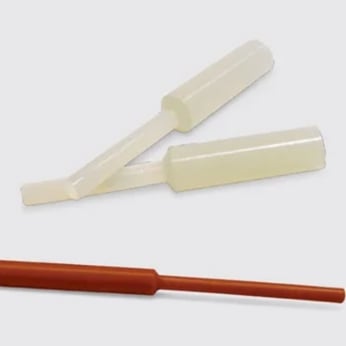
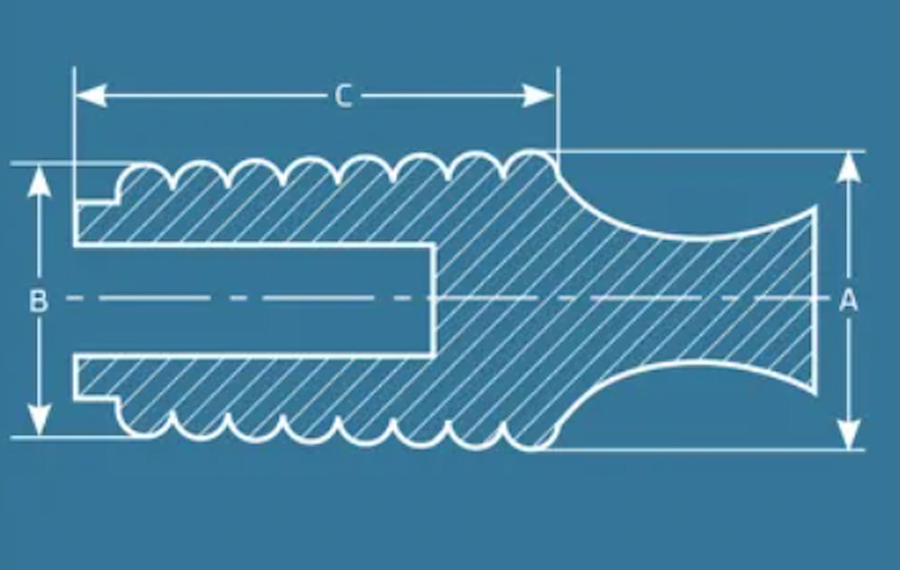
UFP Series – Hollow Pull-Handle Plugs
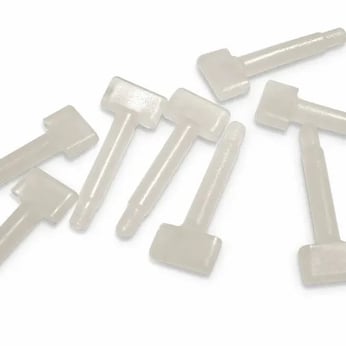
UFP plugs feature a hollow body and a pull-handle design that makes installation and removal convenient. The ribbed body can provide a secure fit while allowing the plug to be removed after the finishing process.
These plugs are suitable for applications requiring quick masking and repeated handling. According to the referenced product specification, selected UFP designs can be used at temperatures of up to 260°C.
TMP Series Technical Data
| Model | D | d | L | l | QTY |
|---|---|---|---|---|---|
| TMP-0107 | 2.72 | 5.33 | 3.51 | 20.83 | 1000 |
| TMP-0141 | 3.58 | 5.84 | 4.09 | 21.84 | 1000 |
| TMP-0178 | 4.52 | 5.59 | 5.26 | 20.83 | 1000 |
| TMP-0205 | 5.20 | 4.30 | 6.20 | 14.00 | 1000 |
| TMP-0218 | 5.54 | 5.08 | 6.60 | 11.43 | 500 |
| TMP-0278 | 7.06 | 5.08 | 8.13 | 12.70 | 500 |
| TMP-0336 | 8.53 | 6.35 | 9.78 | 15.24 | 500 |
| TMP-0358 | 9.09 | 6.12 | 10.39 | 15.62 | 250 |
| TMP-0426 | 10.82 | 8.79 | 12.42 | 20.04 | 250 |
| TMP-0451 | 11.46 | 8.94 | 12.95 | 19.05 | 250 |
| TMP-0503 | 12.78 | 9.91 | 14.35 | 21.49 | 250 |
| TMP-0583 | 14.81 | 10.36 | 17.02 | 23.01 | 100 |
| TMP-0643 | 16.33 | 9.53 | 18.62 | 32.56 | 100 |
| TMP-0724 | 18.39 | 13.00 | 20.60 | 28.63 | 100 |
| TMP-0825 | 20.96 | 9.53 | 23.24 | 32.56 | 100 |
| TMP-0896 | 22.76 | 16.00 | 24.05 | 37.85 | 100 |
UFP Series Technical Data
| Model | D | d | L | QTY |
|---|---|---|---|---|
| UFP00157 | 3.99 | 2.01 | 19.05 | 500 |
| UFP00250 | 5.80 | 4.00 | 25.40 | 500 |
| UFP00312 | 8.00 | 5.60 | 25.40 | 500 |
| UFP00406 | 9.70 | 8.00 | 25.40 | 250 |
| UFP00468 | 11.90 | 9.70 | 25.40 | 250 |
| UFP00562 | 14.60 | 12.20 | 25.40 | 250 |
| UFP00625 | 16.00 | 14.20 | 25.40 | 250 |
| UFP00718 | 18.00 | 16.00 | 25.40 | 250 |
| UFP00787 | 20.00 | 18.00 | 25.40 | 100 |
| UFP00866 | 22.00 | 20.00 | 25.40 | 100 |
| UFP00945 | 24.00 | 22.00 | 25.40 | 100 |
| UFP001024 | 26.00 | 24.00 | 25.40 | 100 |
| UFP001102 | 28.00 | 26.00 | 25.40 | 100 |
| UFP001134 | 29.10 | 27.00 | 25.40 | 50 |
| UFP001216 | 31.00 | 29.00 | 25.40 | 50 |
How to Choose the Right Silicone or Rubber Screw Cap
1. Check the Dimensions
Measure the hole diameter, screw-head diameter, thread dimensions, insertion depth and available clearance. A properly sized cap should provide sufficient grip without being excessively difficult to install or remove.
2. Select the Appropriate Material
Silicone is often preferred for applications involving elevated temperatures and repeated masking cycles. Rubber can be suitable for general protection where flexibility, elasticity and cost efficiency are important.
3. Consider Temperature Conditions
The working temperature of the coating or surface-treatment process should be compared with the temperature resistance of the selected material. This is particularly important for powder coating and heat-curing applications.
4. Consider Chemical and Environmental Exposure
If the cap will come into contact with solvents, oils, chemicals, UV radiation or other aggressive environments, the material grade should be selected accordingly.
5. Choose the Right Shape
Different applications require different cap geometries. A threaded-hole plug, pull plug, screw-head cap or hollow plug should be selected according to the shape and function of the protected component.
Custom Silicone and Rubber Screw Cap Manufacturing
Standard sizes may not always fit specialized components. For applications with unique dimensions or production requirements, custom silicone and rubber parts can be manufactured according to technical drawings, samples or specified dimensions.
Custom products can be developed in different shapes, sizes, hardness levels, colors and material grades depending on the application. This makes them suitable for industrial production lines that require consistent masking performance and repeatable installation.
Minh Fast provides custom silicone and rubber manufacturing solutions using processes such as compression molding, LSR injection and CNC machining, depending on product requirements.
Related Products
- Rubber Thread Hole Plug – Butterfly Plug
- ```
- Rubber Plug with Hole for Electrostatic Painting
- Silicone and Rubber Protective Caps for Automotive Applications
- Custom Silicone and Rubber Manufacturing Process
- ```
Frequently Asked Questions
What is a silicone screw cap used for?
A silicone screw cap is mainly used to protect threaded holes, screw heads, studs and other surfaces during painting, powder coating, machining and surface treatment.
What is the difference between a silicone screw cap and a rubber screw cap?
Both products are flexible protective components, but their material properties can differ. Silicone is commonly selected for higher-temperature or repeated masking applications, while rubber can be suitable for general-purpose protection and flexible sealing applications.
Can rubber screw stoppers be customized?
Yes. Rubber screw stoppers can be customized according to dimensions, shape, material, hardness, color and application requirements. A technical drawing or physical sample can be used as a reference for development.
Are rubber caps for screw heads reusable?
Many rubber and silicone masking caps can be reused. Actual service life depends on material grade, operating temperature, chemical exposure, installation method and the number of production cycles.
Can these products be used for powder coating?
Yes. Silicone and heat-resistant rubber masking products are commonly used to protect threaded holes, screw heads and other areas that should remain free from powder coating. The material must be selected according to the curing temperature and process conditions.
Conclusion
Silicone screw caps and rubber screw caps provide a practical solution for protecting threads, screw heads, holes and exposed surfaces during industrial manufacturing and finishing processes. With flexible construction, easy installation and a wide range of sizes and designs, they can help reduce paint contamination, cleaning work and production rework.
For specialized applications, custom rubber screw stoppers, threaded-hole plugs and rubber caps for screw heads can be manufactured according to drawings, samples and technical requirements.
For product consultation and custom manufacturing, contact Minh Fast via Hotline/Zalo: 0889 914 599.

Product Catalog
Certification

Packaging & Shipping


MINH FAST COMPANY LIMITED
Head Office: No. 1/19 Luong Khanh Thien Street, Tuong Mai Ward, Hanoi, Vietnam
Phone / Zalo / WhatsApp: +84 8899 14599
Email: Thamsiliconetkv@gmail.com | Minhfastsales@gmail.com
YouTube: Minh Fast Silicone Channel