- What is a silicone nipple?
- Characteristics of silicone nipples
- Advantages of silicone nipples compared to regular types
- Instructions for using and cleaning silicone pacifiers
- 1. How to use silicone pacifiers properly
- 2. How to clean silicone pacifiers
- 3. Important notes when storing silicone pacifiers
- What standards are required for manufacturing silicone nipples in Vietnam to ensure quality?
- 1. Medical-grade / Food-grade silicone material
- 2. Standardized factory production process
- 3. Safety tests according to international standards
- 4. Surface and finishing control
- 5. Packaging and clean environment
- Silicone pacifier manufacturing at MINH FAST
- 1. International-standard silicone materials
- 2. Modern technology
- 3. High-quality silicone pacifier products
- Product Catalog
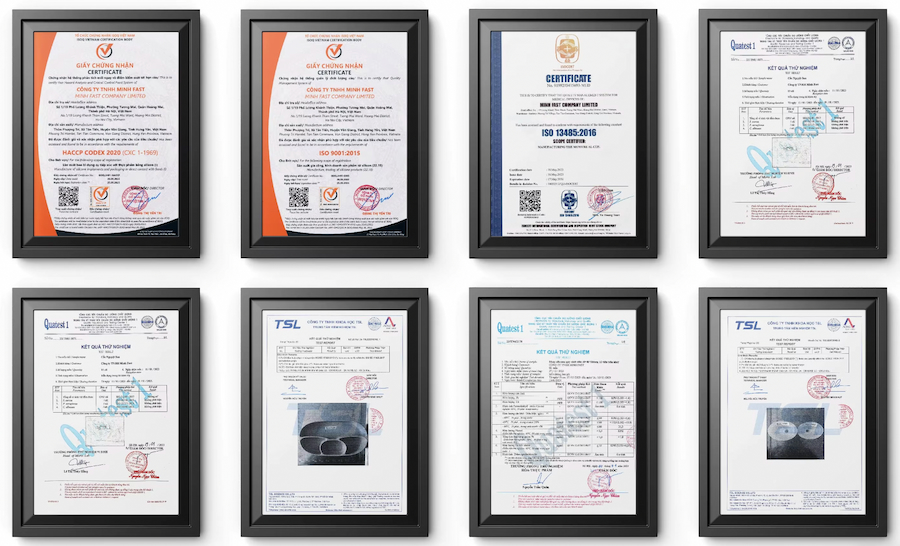
- Certification
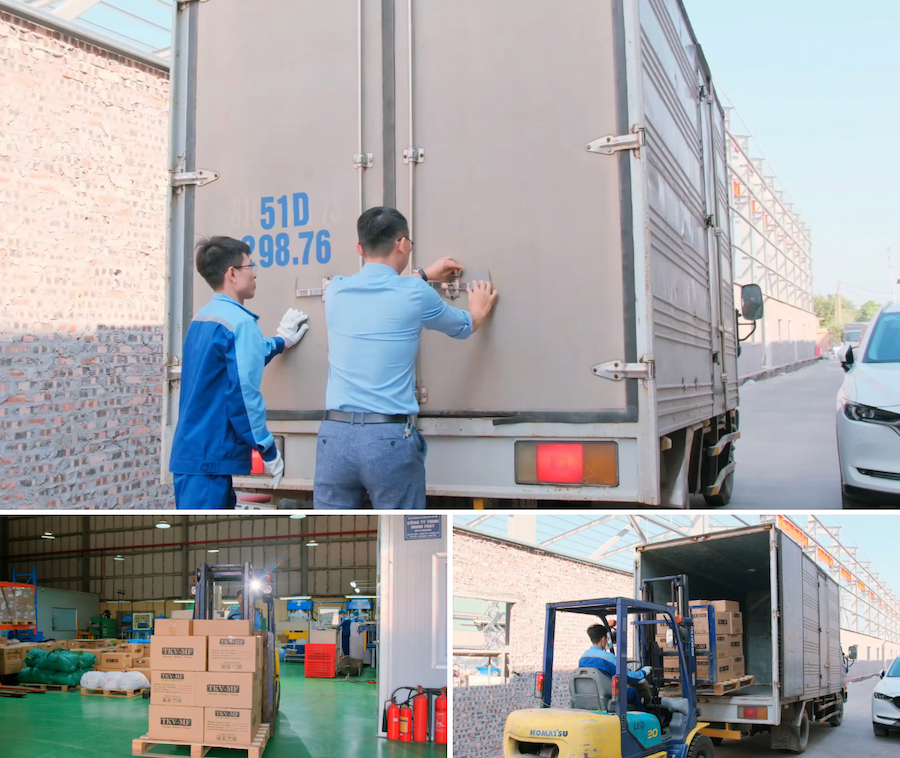
- Packaging & Shipping
- MINH FAST COMPANY LIMITED
- Factory Location
Did you know that a small item like a silicone nipple can influence a baby’s feeding habits, comfort, and oral health? Not only soft and safe, this type of nipple also helps babies feed naturally like breastfeeding and is easy to clean. Let’s explore why many mothers prefer silicone nipples for their babies in the article below!
What is a silicone nipple?
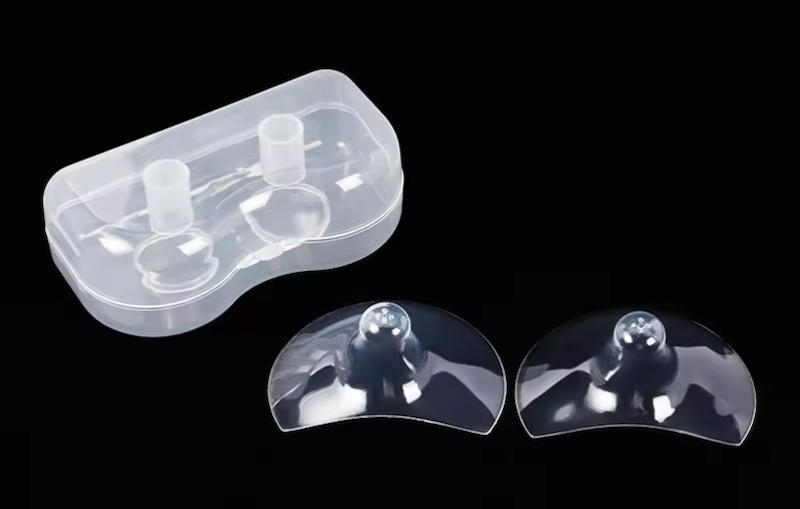
A silicone nipple is an accessory attached to a milk bottle for babies to feed, made from high-quality medical-grade silicone that is soft and safe for infants. This material mimics the natural feel of a mother's breast, helping babies feed more easily and comfortably. Compared to traditional rubber nipples, silicone nipples have high durability, no smell, do not deform when sterilized at high temperatures, and are less likely to cause allergies. This is the most popular nipple type today and is chosen by many parents for newborns and young children.
Characteristics of silicone nipples
Silicone nipples or silicone teats are made from soft, safe, and child-friendly silicone material. This type of silicone nipple is popular thanks to the following outstanding characteristics:
- Soft and elastic: Silicone material mimics the feel of a real breast, helping babies feed easily without discomfort or jaw fatigue.
- Odorless and tasteless: Silicone nipples do not retain odor and do not affect the taste of milk, suitable even for sensitive babies.
- Good heat resistance: Can be sterilized with boiling water or a steam sterilizer without deforming.
- High durability: Does not crack or tear with regular use and cleaning, ensuring safety for babies.
- Safe and BPA-free: Medical-grade silicone helps reduce irritation and is safe when babies suck on it for a long time.
- Diverse designs: Various shapes such as round, flat, anti-choke, breast-like… suitable for each age and feeding habit.
Thanks to these advantages, silicone nipples are always the top choice for newborns and young children.
Advantages of silicone nipples compared to regular types
|
Criteria |
Silicone nipples |
Regular nipples (rubber, TPE…) |
|
Softness and elasticity |
Smooth, elastic, mimics real breast |
Soft but stretches quickly, easily deforms |
|
Shape retention and durability |
Keeps its shape for a long time, hard to deform |
Easily deforms when bitten or sterilized often |
|
Smell and taste |
No smell, no taste | Often has rubber smell, easily absorbs odors |
| Heat resistance | High heat resistance, easy sterilization | Lower heat resistance, easily discolored |
| Hygiene and safety | Easy to clean, less residue, BPA-free | Easily retains residue, some types may contain irritants |
| Transparency | Transparent, easy to check hygiene | Opaque, harder to detect damage |
| Compatibility | Compatible with many bottle type | Depends on brand, harder to replace |
| Baby feeding experience | Natural, comfortable, reduces nipple rejection | Easily causes discomfort if baby is sensitive |
Instructions for using and cleaning silicone pacifiers
To ensure safety for babies and extend product lifespan, parents need to use and clean silicone pacifiers properly. Below are detailed instructions:
1. How to use silicone pacifiers properly
- Clean before first use: Soak the silicone pacifier in warm water for 5 minutes to remove smell and dust.
- Check safety: Inspect the surface for tears, cracks, or deformation before giving it to the baby. If damaged, replace immediately.
- Choose the right size: The silicone pacifier must fit the baby’s mouth to avoid choking or discomfort.
- Monitor the baby’s reaction: If the baby appears uncomfortable, has redness around the mouth, or refuses to suck, stop using and switch to another type.
- Do not attach long strings or dangerous accessories: Avoid causing entanglement or choking hazards.
2. How to clean silicone pacifiers
- Wash immediately after each use: Use warm water and bottle-cleaning solution to remove milk residue and saliva.
- Sterilize with boiling water or a sterilizer: Silicone pacifiers have good heat resistance and can be boiled for 3–5 minutes or sterilized using a machine.
- Allow to dry completely before storing: Avoid moisture that may cause mold.
- Do not use strong detergents: They may damage the silicone surface or cause irritation to the baby.
- Replace every 1–2 months: Even if not damaged, silicone pacifiers should be replaced regularly to ensure hygiene and safety.
3. Important notes when storing silicone pacifiers
- Store in a dry, cool place away from direct sunlight.
- Do not store with sharp objects to avoid tearing the silicone.
- Always carry a clean case when taking the baby outside.
What standards are required for manufacturing silicone nipples in Vietnam to ensure quality?
To produce and process high-quality silicone nipples that are safe for infants and meet export standards, manufacturers must comply with the following requirements:
1. Medical-grade / Food-grade silicone material
- Use LSR or HCR silicone certified by FDA, LFGB, or equivalent.
- Free from BPA, PVC, phthalates, lead, or heavy metals.
- Good heat resistance, does not deform during boiling or sterilization.
2. Standardized factory production process
- Factory certified with ISO 9001, ISO 13485 (if products are for infants or medical use).
- Injection molding or silicone molding processes must strictly control purity, temperature, pressure, and curing cycles.
3. Safety tests according to international standards
- Must meet standards for infant feeding products:
- EN 14350 (Europe – feeding equipment for infants).
- CPSIA or ASTM F963 (USA).
- Mechanical tests: elasticity, stretch ability, tear resistance.
- Chemical tests: migration, odor, safety.
4. Surface and finishing control
- Smooth surface, no flashing, no burn marks.
- Softness (Shore A) suitable for babies, typically 40–60A.
- Safe design: no small detachable parts.
5. Packaging and clean environment
- Food-safe packaging, dustproof and hygienic.
- Packing in cleanroom (Cleanroom) with suitable level.
Silicone pacifier manufacturing at MINH FAST

MINH FAST specializes in OEM production and processing of silicone pacifiers, meeting safety standards for infants and the technical requirements of domestic and international businesses. With strong production capacity and strict quality control processes, MINH FAST ensures each silicone pacifier has stable quality, high safety, and good aesthetics.
1. International-standard silicone materials
- Use LSR (Liquid Silicone Rubber) or food-grade silicone.
- Free from BPA, PVC, harmful chemicals – safe for newborns.
- Excellent heat resistance, elasticity, and tensile strength.
2. Modern technology
- Produced by silicone injection molding machines with high precision.
- Molds processed by CNC according to each brand’s requirements.
- Quality control according to ISO 9001 and strict internal processes.
3. High-quality silicone pacifier products
- Smooth surface, no flashing.
- Soft Shore hardness suitable for newborns.
- Safe design with no hazardous details.
Contact MINH FAST now to get consultation on materials, design samples, and fast quotation for silicone nipple manufacturing!

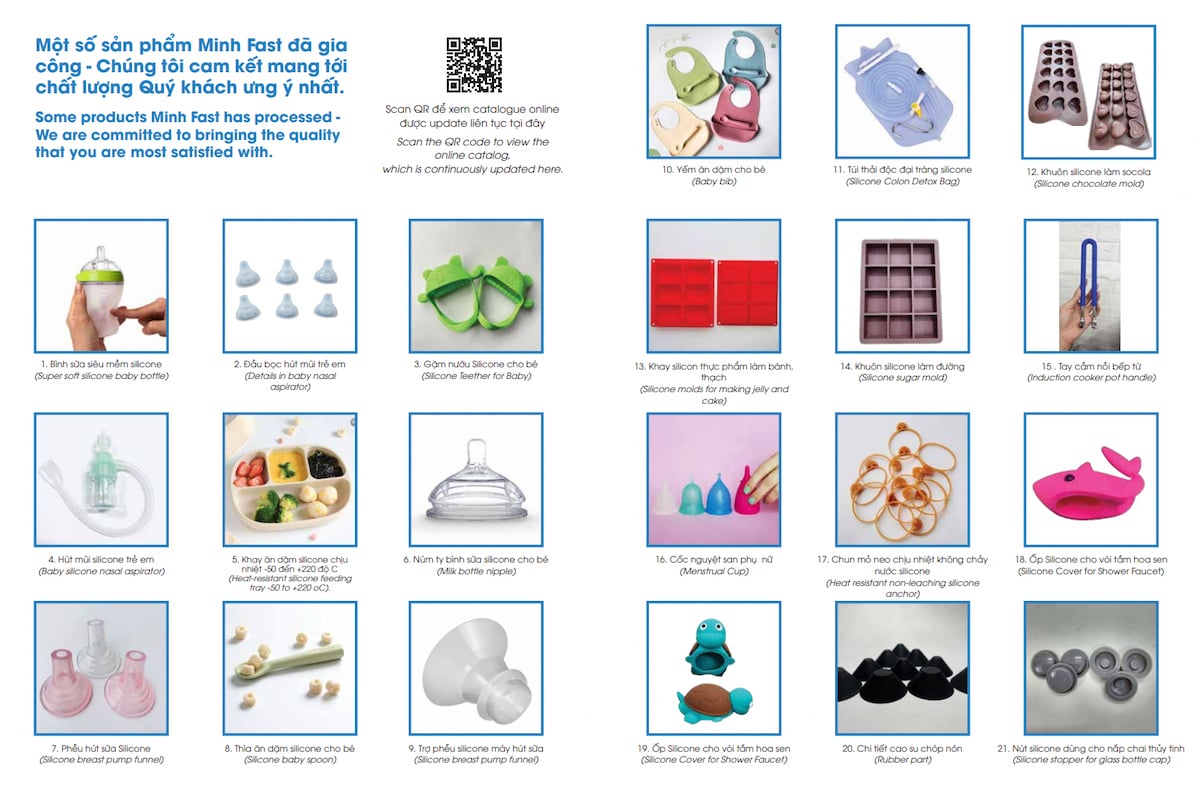
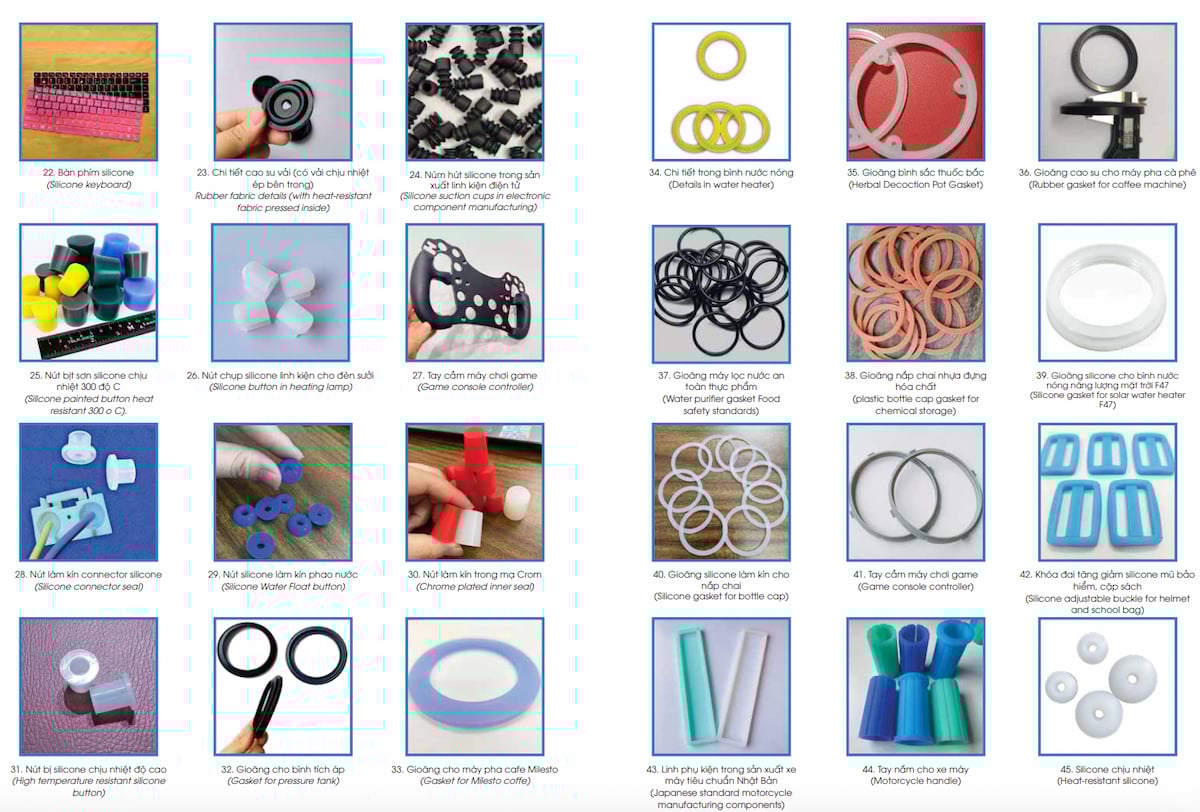
Product Catalog
Certification
Packaging & Shipping

MINH FAST COMPANY LIMITED
Head Office: No. 1/19 Luong Khanh Thien Street, Tuong Mai Ward, Hanoi, Vietnam
Phone / Zalo / WhatsApp: +84 8899 14599
Email: Thamsiliconetkv@gmail.com | Minhfastsales@gmail.com
YouTube: Minh Fast Silicone Channel